2 citations
,
September 2018 in “Walailak Journal of Science and Technology (WJST)” This study found that Thuja orientalis fruits have higher monoterpene, flavonoid, phenolic content, and antioxidant activity than leaves, suggesting potential value for the pharmaceutical industry.

This chapter reviews various types of aromatic compounds and provides references, but reports no new experimental results.
4 citations
,
January 2025 in “Pharmaceutics” This study found that spanlastic gel loaded with thymoquinone and ascorbic acid improved skin deposition and tyrosinase inhibition, suggesting potential as a treatment for hyperpigmentation.
January 2021 in “Asian Journal of Pharmaceutical and Clinical Research” This study examined the effectiveness of FT-Raman spectroscopy for detecting polymorphism in Lamivudine and Finasteride, highlighting its advantages over other methods due to its capability to provide sharp, well-resolved spectral bands and reduced sampling issues.
April 2026 in “ENLIGHTEN (Jurnal Bimbingan dan Konseling Islam)” January 2004 in “Linchuang pifuke zazhi” In this study, all-trans retinoic acid was found to promote differentiation and inhibit proliferation of amelanotic melanocytes from human hair follicles, suggesting a potential role in melanogenesis.
 13 citations
,
June 2012 in “Journal of Dermatological Case Reports”
13 citations
,
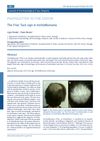
June 2012 in “Journal of Dermatological Case Reports” This report describes an 8-year-old male with trichotillomania, confirmed by trichoscopy showing characteristic hair damage and patterns.
 April 2017 in “Journal of Investigative Dermatology”
 In this study, deep phenotyping of 68 patients with XPD gene defects successfully separated individuals by clinical diagnosis and survival status, potentially improving diagnosis and prognosis for xeroderma pigmentosum and trichothiodystrophy.
 6 citations
,
October 2012 in “Journal of Heredity”
6 citations
,
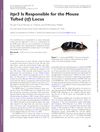
October 2012 in “Journal of Heredity” This study identified the Itpr3 gene as responsible for the tufted hair loss phenotype in the BTBR mouse strain.
 January 2026 in “Journal of Emerging Technologies and Innovative Research”
 This study reported that zinc oxide nanoparticles synthesized using Tridax procumbens leaf extract demonstrated significant antibacterial and anticancer activity, showing potential for applications in biomedical and pharmaceutical fields.
 77 citations
,
January 1980 in “Carcinogenesis”
77 citations
,
January 1980 in “Carcinogenesis” This study found that TPA was significantly more effective than mezerein in inducing dark basal keratinocytes in mouse skin, which may be important in early tumor promotion stages.
 60 citations
,
August 2008 in “Human molecular genetics online/Human molecular genetics”
60 citations
,
August 2008 in “Human molecular genetics online/Human molecular genetics” This study suggests that a position effect disrupting TRPS1 expression may be linked to hypertrichosis in both Ambras syndrome in humans and a similar phenotype in Koa mice.
13 citations
,
July 2012 in “International Journal of Trichology” In this study, the varied phenotype of trichothiodystrophy was highlighted, with findings of distinctive hair shaft abnormalities and a wide range of multisystem issues, including neurologic and urologic disorders.
 July 2024 in “International Journal of Pharmaceutical Sciences and Medicine”
 This review highlights that Nyctanthes arbor-tristis contains numerous phytochemicals and has traditional uses for various conditions. It also reports pharmacological activities, suggesting potential benefits for diabetes, cancer, inflammation, and more.
29 citations
,
February 2019 in “Pediatric dermatology” This abstract suggests that specific trichoscopic features like black dots, coiled hair, and trichoptilosis may help differentiate trichotillomania from patchy alopecia areata.
3 citations
,
January 2025 in “Journal of Natural Products” In this study, researchers isolated new compounds from the plant *Calanthe cardioglossa* and found that five of these compounds, particularly calancardin B, significantly reduced TNF-α levels in immune cells relevant to multiple sclerosis, suggesting potential for immunomodulatory effects.
 December 2023 in “Portuguese journal of dermatology and venereology”
 This study found that trichoscopic examination can effectively differentiate between alopecia areata and trichotillomania, as specific features such as black dots and exclamation marks favor alopecia areata while hair breaking at various lengths and several unique patterns are exclusive to trichotillomania.
July 2025 in “ALEXMED ePosters” In this study, the researchers aimed to evaluate the levels of substance P, folic acid, and ferritin in the serum of female patients experiencing hair fall and trichodynia.
 August 2025 in “Frontiers in Pharmacology”
 This study identified three Ayurvedic compounds that may serve as potential treatments against the macrolide-resistant enzyme murE of *Tropheryma whipplei*, addressing challenges in treating Whipple disease.
June 2023 in “Journal of Biological Chemistry” In this study, the authors identified and characterized the Get3d protein, conserved across plants and photosynthetic bacteria, which localizes to the chloroplast in Arabidopsis thaliana and potentially plays a role in tail-anchored protein targeting, linked to photosynthesis homeostasis.
November 2025 in “JOURNAL OF EXPERIMENTAL ZOOLOGY INDIA” This study observed that thymol from Origanum marjoram essential oil significantly promoted hair regrowth and reduced inflammation in cyclophosphamide-induced alopecia in rabbits, with effects that were comparable to or exceeded those of betamethasone, highlighting its potential as a safer treatment alternative.
November 2025 in “Journal of Investigative Dermatology” Certain immune cells in atopic dermatitis skin could be targeted for treatment.
 September 2021 in “European Neuropsychopharmacology”
 This study found that higher dihydrotestosterone (DHT) levels in the parietal region of the scalp may be linked to androgenetic alopecia's clinical presentation.
3 citations
,
January 2017 in “Acta Dermato Venereologica” This study found that a specific T-cell receptor motif associated with lipid-antigen stimulation may play a role in the pathogenesis of folliculotropic mycosis fungoides.
 30 citations
,
August 2018 in “Dermatology and Therapy”
30 citations
,
August 2018 in “Dermatology and Therapy” This review discusses the diagnostic and treatment challenges of trichotillomania and emphasizes the need for better-designed studies to optimize treatment approaches.
135 citations
,
October 1997 in “Journal of biological chemistry/The Journal of biological chemistry” This study suggests that trichohyalin is modified by peptidyl-arginine deiminase before being cross-linked by TGase 3, allowing the formation of rigid structures in hair follicle cells.

In this study, researchers assessed the stability of various formulations in the TrichoConcept™ line for customized alopecia treatment. They found that the combinations remained stable from 14 to 180 days, supporting the use of these vehicles for enhancing therapeutic outcomes in hair loss treatments.
59 citations
,
November 2011 in “Development” This study found that the transcription factor Trps1 acts as a novel regulator of the Wnt signaling pathway and early hair follicle progenitors in developing vibrissa follicles in mice.
2 citations
,
July 2019 in “International Journal of Neuroscience and Behavioral Science” This study found that ethanol extract of Thevetia peruviana bark demonstrated significant antinociceptive activity in mice, suggesting potential for developing new analgesic drugs.
 11 citations
,
August 2007 in “Bioorganic & Medicinal Chemistry Letters”
11 citations
,
August 2007 in “Bioorganic & Medicinal Chemistry Letters” This study found that among the tested analogs, compound 4e was the most effective in inhibiting wax esters in vivo in the Golden Syrian hamster ear model.