 March 2025 in “Clinical Cosmetic and Investigational Dermatology”
 In this study, researchers found that the "U" allele of the Tru9I variant may be associated with low vitamin D levels and altered VDR gene activity in alopecia areata patients, while the "u" allele might have a protective role against developing the condition.
 1 citations
,
January 2017 in “The Annals of Clinical and Analytical Medicine”
1 citations
,
January 2017 in “The Annals of Clinical and Analytical Medicine” In this study, researchers found no significant association between VDR gene polymorphisms and the susceptibility to alopecia areata, suggesting that these genetic variations may not play a role in the disease's development.
 36 citations
,
January 2017 in “Journal of Obstetrics and Gynaecology Research”
36 citations
,
January 2017 in “Journal of Obstetrics and Gynaecology Research” This review discusses the association between vitamin D receptor polymorphisms and polycystic ovary syndrome, noting the need for further research on their impact on the disorder's manifestations.
 26 citations
,
October 2023 in “Neuroscience Bulletin”
26 citations
,
October 2023 in “Neuroscience Bulletin” In this review, the authors discuss how understanding and co-regulating multiple signaling pathways could lead to effective regeneration of functional hair cells, highlighting current achievements and future approaches such as small molecule drugs and gene therapy for treating sensorineural hearing loss.
 2 citations
,
January 2025 in “动物学研究”
2 citations
,
January 2025 in “动物学研究” In this study, overexpression of YAP1 was found to promote adipogenic differentiation of goat adipose-derived mesenchymal stem cells by up-regulating LATS2 expression and activating the Hippo pathway's negative feedback loop.
 46 citations
,
November 1997 in “Journal of Neural Transmission”
46 citations
,
November 1997 in “Journal of Neural Transmission” Seborrhea in Parkinson's disease may be linked to hormones, not autonomic impairment.
10 citations
,
September 2004 in “PubMed” In this study, no significant association was found between the VDR FokI gene polymorphism and alopecia areata, though further research in diverse populations is needed.
 April 2026 in “Human Genome Variation”
 In this study, researchers identified a recurrent MBTPS2 splice-site variant as a mutational hotspot in IFAP syndrome across diverse families, with phenotype severity suggesting the influence of additional modifiers.
13 citations
,
December 2005 in “Traffic” In this study, researchers found that syntaxin 9, a novel syntaxin family member, interacts specifically with the epidermal growth factor receptor and may influence its transport and signaling in some epithelial cells.
January 2026 in “American Journal of Medical Genetics Part A” The researchers reported two brothers with a new variant of X-linked trichothiodystrophy associated with an RNF113A gene mutation, highlighting features such as intellectual disability and growth failure, but without previously reported endocrinological or genital abnormalities, underlining the importance of genetic counseling for such variants.
June 2020 in “Zenodo (CERN European Organization for Nuclear Research)” This study suggests that the DNMT3B -579 G>T polymorphism may be a genetic risk factor for colorectal cancer in the Azerbaijani population.
 20 citations
,
July 2013 in “European Journal of Oral Sciences”
20 citations
,
July 2013 in “European Journal of Oral Sciences” This study found a novel PAX9 gene mutation that may cause tooth agenesis and trichodysplasia in a studied family.
 1 citations
,
November 2024 in “Diabetes Metabolic Syndrome and Obesity”
1 citations
,
November 2024 in “Diabetes Metabolic Syndrome and Obesity” In this study, researchers found that a specific genetic variant in the INSR gene is linked to severe insulin resistance and hyperandrogenemia in type A insulin resistance syndrome, suggesting the benefit of exon sequencing for accurate diagnosis and treatment.
April 2026 in “Human Genome Variation” This study identified a specific hemizygous intronic variant in the MBTPS2 gene associated with IFAP syndrome in a patient, revealing exon skipping and reduced normal transcript expression through long-read RNA sequencing.
11 citations
,
February 2023 in “British Journal of Pharmacology” This study found that ISX9 may activate the Wnt/β-catenin signaling pathway and holds potential as a therapeutic agent for treating alopecia.
 December 2022 in “Research Square (Research Square)”
 In this study, the researchers developed a quantum algorithm, QuantAnts machines, which identified complexes of CD9, CD34, and CD74 as potential targets for certain cancers involving the RAS pathway.
 19 citations
,
December 2015 in “European Journal of Human Genetics”
19 citations
,
December 2015 in “European Journal of Human Genetics” This study found that a novel rare variant in ITGB6 may cause intellectual disability, alopecia, and dentogingival anomalies in a specific Pakistani family, highlighting a potential role for ITGB6 beyond enamel formation.
 17 citations
,
June 2017 in “Gene”
17 citations
,
June 2017 in “Gene” This is the first report of the FOXN1 p.R255X mutation from India, demonstrating the global spread of this genetic mutation previously found only in an Italian community.
 24 citations
,
July 2017 in “Structure”
24 citations
,
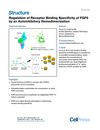
July 2017 in “Structure” In this study, researchers found that ligand homodimerization controls the receptor binding specificity of the FGF9 subfamily, preventing off-target activation of FGFR "b" isoforms.
 January 2013 in “International Journal of Trichology”
 This case report highlights the discovery of a novel TRPS1 gene mutation in a 17-year-old with TRPS type I, underscoring the diagnostic importance of hair symptoms in congenital hair diseases.
 10 citations
,
June 2011 in “Movement Disorders”
10 citations
,
June 2011 in “Movement Disorders” THAP1 gene changes do not affect DYT1 dystonia; finasteride may help reduce tics and OCD in Tourette syndrome.
6 citations
,
December 2022 in “Journal of Infection” In this study, the ACE1 rs1799752 polymorphism was not found to predispose COVID-19 survivors to long-COVID symptoms, supporting previous findings that ACE2 and TMPRSS2 variants also do not influence post-COVID conditions.
 November 2023 in “Materials Today Bio”
 In this study, researchers developed a novel temperature-sensitive biopolymer-based drug delivery system that enhanced the transdermal delivery of ISX9, a neurogenesis inducer, resulting in more effective hair follicle regrowth and signal pathway activation in vivo compared to traditional topical application.
This study identified ISX9 as a novel agonist of the Wnt/β‐catenin pathway, which promoted hair regrowth in mice and may offer a therapeutic approach for alopecia.
 April 2025 in “International Journal of General Medicine”
 This study found that among COVID-19 patients, a higher presence of the G allele in the IFITM3 rs12252 polymorphism correlates with increased inflammatory markers and disease severity, noting higher ESR, CRP, Fibrinogen, LDH, and D-dimer levels in severe cases compared to mild ones.
 1 citations
,
December 2018 in “Journal of genetic medicine”
1 citations
,
December 2018 in “Journal of genetic medicine” In this case report, a 20-year-old male with tricho-rhino-phalangeal syndrome was found to have a de novo frameshift mutation in the TRPS1 gene, highlighting the challenges in diagnosing this rare disorder.
 40 citations
,
January 2017 in “Intestinal Research”
40 citations
,
January 2017 in “Intestinal Research” This study found that among Japanese IBD patients, the NUDT15 p.Arg139Cys variant was significantly associated with thiopurine-induced leukopenia and severe hair loss, suggesting its genotyping is important for predicting these adverse events.
 October 2023 in “Psychiatry research. Case reports”
 In this study, researchers observed that twins with a novel de novo nonsense variant in HRAS exhibited distinctive features, including neuropsychiatric symptoms, potentially indicating a wider clinical spectrum for conditions known as RASopathies.
 6 citations
,
October 2012 in “Journal of Heredity”
6 citations
,
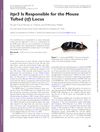
October 2012 in “Journal of Heredity” This study identified the Itpr3 gene as responsible for the tufted hair loss phenotype in the BTBR mouse strain.
73 citations
,
December 2015 in “Nature Genetics” This study found that the Dun camouflage color in horses is due to TBX3 expression, which causes uneven pigment deposition, whereas non-dun coat colors result from regulatory mutations affecting TBX3 expression.