 May 2023 in “Research Square (Research Square)”
 This study identified 18 significant metabolites and two enriched metabolic pathways, necroptosis and ABC transporters, in serum samples of acne patients with and without insulin resistance, potentially aiding in the clinical diagnosis and drug development for these patients.

This review of Lawsonia inermis L., or henna, details its bioactive compounds and historical uses in Unani medicine, including treatment for various conditions like ulcers and jaundice, while highlighting its potential for wound healing, hepatoprotective, and other effects, though further research is needed.
2 citations
,
October 2023 in “Animals” Lacto-fermentation changes amino acid profiles in bovine colostrum, but results are inconsistent.
May 2024 in “Molecules/Molecules online/Molecules annual” This narrative review reports that well-selected plant extracts and their active compounds may improve hair health by promoting hair growth and preventing hair loss, potentially aiding in developing targeted therapies for alopecia.
October 2025 in “Coloration Technology” In this study, a new delipidisation method that removes over 97% of key lipids from wool rapidly and without yellowing was reported to improve wool processing and printing quality.
 June 2026 in “Studia Biologica”
 This study found that in semi-coarse wool sheep of the Ukrainian Carpathian Mountain breed, changes in microflora and grease composition are linked to increased felting in wool, due to wetter, more alkaline fleece conditions that promote bacterial and mold growth and alter fatty acid balances.
 8 citations
,
August 2011 in “Journal of Medicinal Food”
8 citations
,
August 2011 in “Journal of Medicinal Food” In this study, D-004 did not affect androgen-dependent development in rats exposed in utero, while finasteride caused significant changes in male offspring's androgen-dependent tissues.
 1 citations
,
November 2023 in “Naunyn-Schmiedeberg's archives of pharmacology”
1 citations
,
November 2023 in “Naunyn-Schmiedeberg's archives of pharmacology” This review focused on the bioactive compounds and pharmacological properties of Lawsonia inermis (henna) and found that it contains various beneficial compounds with potential therapeutic applications, such as antioxidant and anti-inflammatory effects, indicating a need for further investigation into its medical benefits.
 36 citations
,
June 2018 in “Journal of Dermatology”
36 citations
,
June 2018 in “Journal of Dermatology” This article updates Japanese guidelines for diagnosing and treating male and female-pattern hair loss, recommending specific drugs and therapies while advising against certain treatments for female-pattern hair loss.
27 citations
,
April 2023 in “Pharmaceuticals” In this review, Ziziphus lotus was reported to have multiple traditional uses and demonstrated various pharmacological properties in lab and animal studies, with over 181 identified bioactive compounds; however, clinical trials are needed to confirm its efficacy as a medicinal agent.
January 2006 in “Benzina: Revista d'excepcions culturals” This study observed that new trienone compounds consistently showed higher 5alpha-reductase inhibitory activity compared to corresponding dienones across various biological models.
December 2022 in “Scientific Reports” This study found that caffeic acid amide derivative, compound 4, effectively inhibited steroid 5α-reductase type 1 in vitro, suggesting potential for development as a treatment for androgenic alopecia.

In this study, researchers successfully synthesized a rigid 3a-arylhexahydropentalene-1,6-dione from the easily accessible starting material cyclopent-2-en-1-one, highlighting a structural motif common in natural products and pharmaceuticals.
1 citations
,
August 2016 This study investigated the cytotoxic effects of DHA derivatives on cancer cell lines and found that didocosahexaenoin was the most potent, inducing apoptosis and producing reactive oxygen species in PC3 prostate carcinoma cells.
 42 citations
,
May 2003 in “Mini-reviews in Medicinal Chemistry”
42 citations
,
May 2003 in “Mini-reviews in Medicinal Chemistry” This study found that newly synthesized steroidal trienones demonstrated stronger 5α-reductase inhibitory activity compared to dienones in various biological models, suggesting potential for developing enhanced antiandrogenic drugs.
10 citations
,
April 1964 in “Journal of the American Geriatrics Society” This article reviews triamcinolone acetonide as an intramuscular long-acting steroid therapy for dermatologic disorders but reports no new clinical results.
 13 citations
,
August 2007 in “Bioorganic & medicinal chemistry letters”
13 citations
,
August 2007 in “Bioorganic & medicinal chemistry letters” This study developed a new competitive 5alpha-reductase inhibitor with an IC(50) of 0.84 microM using a novel chemical structure.
 61 citations
,
September 2010 in “Fitoterapia”
61 citations
,
September 2010 in “Fitoterapia” This study found that the EtOAc extract of Tridax procumbens aerial parts significantly inhibited rat paw edema and COX enzyme activity, suggesting its potential anti-inflammatory properties.
1 citations
,
February 2023 in “Russian Journal of Bioorganic Chemistry” In an animal study, researchers observed that a newly synthesized deoxycholic acid derivative showed similar prostate protection effects to finasteride in Wistar rats while being less toxic.
 2 citations
,
October 2001 in “Analytical Sciences”
2 citations
,
October 2001 in “Analytical Sciences” A new compound that could treat various androgen-related conditions was created and analyzed.
 25 citations
,
April 2014 in “Journal of Scientific and Innovative Research”
25 citations
,
April 2014 in “Journal of Scientific and Innovative Research” This study evaluated Tridax procumbens extracts for their in-vitro alpha amylase inhibitory activity compared to standard antidiabetic agents, suggesting potential benefits for diabetes management.
75 citations
,
September 1971 in “British Journal of Dermatology” This study found that both intralesional triamcinolone acetonide and triamcinolone hexacetonide promote continuous hair growth in alopecia areata, with effects lasting at least 9 months after a single injection.
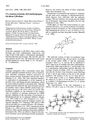 December 1998 in “Acta Crystallographica Section C-crystal Structure Communications”
 This study describes the molecular conformation and intermolecular interactions in the crystalline structure of the compound C24H31BrO4.
![Verification of the Major Metabolic Oxidation Path for the Naphthoyl Group in Chemoattractant Receptor-Homologous Molecule Expressed on Th2 Cells (CRTh2) Antagonist 2-(2-(1-Naphthoyl)-8-fluoro-3,4-dihydro-1H-pyrido[4,3-b]indol-5(2H)-yl)acetic Acid (Setipiprant/ACT-129968)](/images/assets/d743d32f-3115-48ff-9697-2f2d56130701/small/14175.jpg) 6 citations
,
September 2015 in “Journal of Medicinal Chemistry”
6 citations
,
September 2015 in “Journal of Medicinal Chemistry” This study synthesized and verified the structures of Setipiprant's major and minor metabolites, confirming their regio- and enantioselectivity from earlier proposals in a clinical study.
 August 2025 in “ACS Omega”
 This study synthesized and evaluated hydroxycinnamate derivatives for their ability to inhibit human SRD5A1, finding that three compounds showed significant inhibitory activity and low cytotoxicity. Compound 10a notably reduced SRD5A1 protein expression in cells, suggesting potential for nonsteroidal treatment of androgen-related conditions.

This invention reports piperazine derivatives as potent inhibitors of type 3 17β-hydroxysteroid dehydrogenase, suggesting potential therapeutic applications in treating prostate cancer, acne, and androgenic alopecia.
 January 2023 in “Bioorganičeskaâ himiâ”
 This study found that a new deoxycholic acid derivative may offer a similar prostatoprotective effect to finasteride with lower toxicity in rat models.
 6 citations
,
March 2003 in “Archiv Der Pharmazie”
6 citations
,
March 2003 in “Archiv Der Pharmazie” This study reported that newly synthesized nonsteroidal compounds were effective at inhibiting prostatic 5 alpha reductase isozyme 2, especially the compound with an N, N-diisopropylcarbamoyl substituent, suggesting potential for treating benign prostatic hyperplasia.
18 citations
,
December 2005 in “Journal of Medicinal Chemistry” In this study, novel substituted benzoyl benzoic acids and phenylacetic acids were potent and selective inhibitors of human steroid 5alpha-reductase type 2, with one compound showing promising bioavailability in rats for potential clinical evaluation.
16 citations
,
November 2018 in “Medicinal Chemistry” The authors concluded that newly synthesized N-acyl-L-tryptophanyl-isoleucine amides showed high anxiolytic activity in animal models, comparable to diazepam, through interaction with the TSPO receptor.