2 citations
,
January 2014 in “Journal of Cytology & Histology” In a mouse model, this study found that LAM/TSC cells invaded the uterus and increased angiogenesis, while anti-EGFR antibody and rapamycin effectively reduced cell presence and blood vessel proliferation.
June 2020 in “Zenodo (CERN European Organization for Nuclear Research)” This study suggests that the DNMT3B -579 G>T polymorphism may be a genetic risk factor for colorectal cancer in the Azerbaijani population.
76 citations
,
January 1998 in “Mammalian Genome”  March 2025 in “Journal of Cosmetic Dermatology”
 This study explored the effects of TTFE on male androgenic alopecia, finding that topical application increased hair density, follicular diameter, and scalp hydration while reducing water loss and sebum production in a 12-week trial.
February 2026 in “Advanced Science” This study found that the combination of TTNPB and CHIR99021 enhanced the derivation of highly advanced neural stem cells from human pluripotent stem cells, with improved chromatin accessibility and neuroectodermal gene expression, and these cells successfully engrafted in rat hippocampi to ameliorate depression-like symptoms.
82 citations
,
July 2022 in “Bioengineering & Translational Medicine” This review examines how biochemical and biophysical induction factors influence cell fate in tissue engineering and reports no new experimental results.
25 citations
,
July 2015 in “EMBO Reports” This study suggests that mouse lineage specification during pre-implantation development involves distinct timing and mechanisms for trophectoderm and inner cell mass differentiation, challenging existing models.
September 2017 in “The journal of investigative dermatology/Journal of investigative dermatology” The researchers reported that TGM2 appears to play a crucial role in sebocyte differentiation and may act as a negative regulator of lipid metabolism in sebaceous glands.
February 2026 in “Biophysical Journal”  3 citations
,
December 2016 in “Springer eBooks”
3 citations
,
December 2016 in “Springer eBooks” This study found that activating Toll-like receptor 3 in periodontal ligament stem cells enhanced their stem cell and immunosuppressive properties, potentially supporting effective periodontal tissue regeneration.
 April 2023 in “International journal of pharmaceutical sciences review and research”
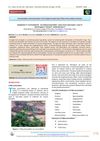
 This study concluded that an Emulgel formulation containing Tridax procumbens extract showed promising wound healing and antimicrobial activity, with improved physical properties in the F2 formulation.
 3 citations
,
May 2025 in “Cell Death and Disease”
3 citations
,
May 2025 in “Cell Death and Disease” This study found that METTL1 is upregulated in papillary thyroid cancer tissues and promotes cancer cell proliferation and metastasis through its tRNA methyltransferase activity.
24 citations
,
December 2016 in “Stem Cell Research & Therapy” This study found that P311 triggers transdifferentiation of epidermal stem cells into myofibroblast-like cells via TGFβ1/Smad signaling during wound healing.
 12 citations
,
September 2020 in “Stem cell research & therapy”
12 citations
,
September 2020 in “Stem cell research & therapy” This study concluded that early-stage tissue-engineered skin substitutes, developed using skin progenitor cells, had a better graft efficiency and supported hair follicle formation, which may improve wound healing outcomes.
December 2014 in “Journal of Biomedical Research” In a mouse model of peripheral vascular disease, this study found that recombinant thymosin β4 treatment increased expression levels of certain proteins, promoting angiogenesis.
January 2008 in “Infoscience (Ecole Polytechnique Fédérale de Lausanne)” In this study, rat primary thymic epithelial cells demonstrated a clonogenic growth pattern in vitro and were able to integrate into functional thymus or differentiate into skin derivatives, similar to skin multipotent stem cells.
3 citations
,
July 2023 in “Cells” This study found that topical application of recombinant human MG53 protein mitigated nitrogen mustard-induced skin injuries in mice by preserving epidermal integrity and hair follicle structure.
344 citations
,
May 2018 in “EMBO journal” This review discusses the regulation of the MiT-TFE family transcription factors, particularly TFEB, through phosphorylation-mediated subcellular localization and reports no new clinical results.
 January 1999 in “American Journal of Medical Genetics Part A”
 This case report describes a rare occurrence of ectodermal dysplasia features in a 14-year-old with MBTPS1 gene variants, expanding the known spectrum of related disorders.
9 citations
,
February 2025 in “Journal of Nanobiotechnology” In this study, researchers found that using bioinspired nanovesicles derived from inflammation memory-activated epidermal stem cells effectively promoted healing in diabetic wounds by reprogramming neutrophils to an anti-inflammatory phenotype in both laboratory and animal models.
July 2024 in “Journal of Investigative Dermatology” ATR12-351 ointment safely delivers LEKTI protein to the skin, reducing enzyme activity in Netherton syndrome.
8 citations
,
March 2015 in “International Journal of Oncology” This study successfully established Tsc2-deficient embryonic stem cells from Eker rats and found these cells have distinct gene expression compared to non-mutant cells, which could help identify new therapeutic targets for TSC-related pathogenesis.
 August 2019 in “Journal of Medical Histology”
 This review discusses the role of epithelial mesenchymal transition (EMT) in wound healing and tissue repair, highlighting its potential contributions to progenitor cell pools, but reports no new clinical findings.
14 citations
,
March 2016 in “Regenerative Biomaterials” This article proposes a broad interpretation of tissue engineering as systematically controlling the body's cells, matrices, and fluids, suggesting many existing therapies may fall under this category.
10 citations
,
May 2024 in “BioEssays” This review examined the role of the ion channel TRPV3 in warmth sensation and skin physiology, discussing controversies around its direct contribution to temperature perception, its involvement in skin health, and its potential as a therapeutic target for skin diseases.
 17 citations
,
May 2011 in “Gene Therapy”
17 citations
,
May 2011 in “Gene Therapy” This study found that transfecting hair follicle stem cells with a PEI-DNA complex expressing hTERT stimulated hair growth in rats by inducing follicle neogenesis and promoting the anagen phase.
26 citations
,
January 1992 in “Carcinogenesis” This study suggests that chronic treatment with TPA in mouse skin selectively expands a keratinocyte subpopulation hyperinducible for ODC, which may be a key target for neoplastic transformation.
32 citations
,
January 2000 in “International Journal of Cancer” In this study, the researchers observed significant down-regulation of Transglutaminase-3 expression in esophageal cancer tissues compared to normal tissues, suggesting its alteration is a common event in esophageal cancer development.
 20 citations
,
September 2010 in “Cell Cycle”
20 citations
,
September 2010 in “Cell Cycle” This study reports that in MRL mice, loss of p53 does not impair ear regeneration, suggesting p21's potential role in this process may involve the Tgfb/Smad pathway.
2 citations
,
September 2024 in “PLoS ONE” This study suggests that combining bendamustine with tucidinostat may improve survival in patients with relapsed or refractory adult T-cell leukemia/lymphoma, highlighting its potential for clinical investigation.