2 citations
,
October 2024 in “JCEM Case Reports” This study describes a case of a 35-year-old woman who developed symptoms of hyperandrogenism and disrupted steroidogenesis due to chronic use of electronic cigarettes containing compounds similar to etomidate, despite no genetic mutation indicating 11β-hydroxylase deficiency.
1 citations
,
April 2024 in “Pathogens” This study observed mycobacterial infection with M. xenopi in a pet ferret, noting its resistance to doxycycline, and highlighted the potential zoonotic transmission risk associated with such infections.
 1 citations
,
July 2022 in “Clinical dermatology review”
1 citations
,
July 2022 in “Clinical dermatology review” This review elaborates on follicular unit extraction as a hair restoration procedure and provides a detailed step-by-step guide but does not present new clinical results.
 January 2023 in “Sibirskij medicinskij vestnik”
 This analysis explores possible causes of menstrual irregularities in women with PCOS following COVID-19, but reports no new clinical findings.
 October 2022 in “Legume Research”
 This study developed a protocol for callus induction and found that certain hormone concentrations enhance the production of flavonoids, phenols, and terpenes in Bituminaria bituminosa.
128 citations
,
August 2020 in “Cell stem cell” In this study, researchers found that extrafollicular progenitors marked by Hic1 are the main contributors to reparative fibroblasts in wound repair, with potential to modulate healing outcomes through genetic and pharmacological interventions.
115 citations
,
March 2001 in “Baillière's best practice and research in clinical endocrinology and metabolism/Baillière's best practice & research. Clinical endocrinology & metabolism” This article reviews how different 5alpha-reductase and 3alpha-HSD enzymes impact androgen levels and highlights their potential as drug targets for androgen-related diseases, but provides no new experimental findings.
89 citations
,
January 2021 in “Molecules” This review discusses the applications of biopolymeric composites in controlled drug release, tissue engineering, and wound healing, but reports no new experimental results, highlighting the need for further development and analysis.
74 citations
,
December 1995 in “The Journal of Clinical Endocrinology & Metabolism” This study found that treatment with leuprolide plus cyclic estrogen/progestin may lead to a faster and greater improvement in hirsutism compared to a standard oral contraceptive regimen.
9 citations
,
August 2025 in “Current Issues in Molecular Biology” This review discusses the role of extracellular vesicles in bone regeneration and their potential as therapeutics, highlighting challenges like standardization and safety for clinical application, but it reports no new clinical results.
4 citations
,
May 2019 in “Reproductive Endocrinology” This article reviews the causes and diagnosis of hyperandrogenism, highlighting its impact on female fertility and the metabolic risks associated with PCOS, but it provides no new clinical results.
2 citations
,
January 2024 in “Journal of Personalized Medicine” This study found that combining adipose-derived mesenchymal stem cells with platelet-rich plasma improved key healing markers in bowel anastomoses in rats with induced colitis, suggesting potential benefits for anastomosis recovery even in inflamed conditions.
1 citations
,
October 2024 in “Veterinary Sciences” In this case study, hemodialysis was reported as an effective treatment for a cat suffering from minoxidil toxicosis, leading to the cat's full recovery over an 11-day hospitalization period.
 1 citations
,
December 2023 in “Annals of Phytomedicine An International Journal”
1 citations
,
December 2023 in “Annals of Phytomedicine An International Journal” In this review, the researchers discuss how nanoemulgel overcomes the limitations of lipophilic phytomolecules by improving their bioavailability, penetration, and therapeutic efficacy, making it a promising nanocarrier for the treatment of various health conditions.
1 citations
,
May 2022 in “Reproductive Endocrinology” This review discusses the complexities of diagnosing and managing hyperandrogenism in women, emphasizing the need for careful evaluation of both clinical signs and biochemical markers without reporting new clinical results.
 1 citations
,
July 2021 in “Clinical and Experimental Dermatology”
1 citations
,
July 2021 in “Clinical and Experimental Dermatology” This study suggests that finasteride is a safe and effective alternative therapy for women with hidradenitis suppurativa who have contraindications or intolerance to spironolactone.

This study used an ex vivo human skin model to show that tropical conditions disrupt skin homeostasis, resulting in epidermal thickening and junctional flattening, and found that Kombucha tea extract may help preserve skin structure under such stress.

This chapter reviews the science and technology of hair fiber, exploring its composition, the impact of genetics and environmental factors, and recent advancements in hair care products, but presents no new research findings.
 September 2020 in “Nature, Environment and Pollution Technology/Nature, environment and pollution technology”
 This study found that Wistar rats fed with grass extracts from mining areas accumulated trace metals, particularly in the spleen, leading to organ pathology and signs of toxicity.
May 2020 in “Scientific periodicals of Ukraine” This review discusses the pathogenesis and treatment approaches for non-scarring alopecia and acne, highlighting the role of genetic factors, androgens, and metabolic risks but reports no new clinical results.
122 citations
,
June 1998 in “PubMed” This study found that sensory and sympathetic innervation in the mystacial pads of mice is governed by a balance of neurotrophin signaling, highlighting the roles of NGF/trkA and NT-3/trkC pathways.
43 citations
,
July 2003 in “Andrology” This review evaluates previous studies on androgen-progestin combinations for male contraception, concluding that long-acting injectable formulations appear promising due to their effectiveness and minimal short-term adverse effects.
 42 citations
,
January 1998 in “BioDrugs”
42 citations
,
January 1998 in “BioDrugs” Azathioprine's effectiveness and safety require careful monitoring and more research, especially regarding its use with corticosteroids and the role of TPMT status in patients.
 18 citations
,
January 2015 in “Data series”
18 citations
,
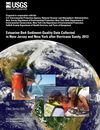
January 2015 in “Data series” This report describes a study of estuarine bed-sediment quality in New Jersey and New York post-Hurricane Sandy, focusing on contamination extent and potential long-term impacts, with no new findings included.
 11 citations
,
July 2021 in “Nanomaterials”
11 citations
,
July 2021 in “Nanomaterials” This study found that α-13′-carboxychromanol significantly accelerated wound healing and improved tissue quality in a mouse model, especially when delivered with bacterial nanocellulose under diabetic conditions.
9 citations
,
June 2024 in “Cell Reports” This study found that hair follicles play a significant role in regulating skin barrier function, with disruptions in the upper hair follicle affecting the epidermis, influencing processes like desquamation and sebum release, and leading to cell movement into the epidermis.
2 citations
,
February 2012 in “PubMed” This study found that Gp₄G increased hair length, papilla cell numbers, and versican deposition in treated animals, potentially through alterations in hair follicle phases and nucleotide concentrations.
 March 2026 in “SHILAP Revista de lepidopterología”
 In this case report, a 30-year-old woman with myasthenia gravis developed vitiligo and alopecia universalis during long-term rituximab therapy, suggesting a rare association between the drug and these immune-mediated skin conditions, highlighting the potential benefit of early intervention with baricitinib.
 August 2021 in “Research Square (Research Square)”
 In this study of clinical-grade ADMSCs, researchers found that cells expanded in PowerStem MSC1 media exhibited increased negative marker expression, chromosomal abnormalities, and signs of senescence compared to those cultured in StemMACS MSC Expansion Media, suggesting that the latter is more suitable for therapeutic applications.
 July 2021 in “International Journal of Homoeopathic Sciences”
 This article discusses the role of Psoric and Sycotic miasms in the development of Polycystic Ovarian Syndrome through neuro-hormonal pathways, and it emphasizes rubrics for treatment, reporting no new clinical findings.