 25 citations
,
April 2015 in “Journal of Investigative Dermatology”
25 citations
,
April 2015 in “Journal of Investigative Dermatology” This study found that Gsdma3 mutation in mice allows hair follicles to bypass a typical telogen phase and directly enter the anagen phase, suggesting Gsdma3's role in hair cycle transitions by regulating Wnt signaling.
37 citations
,
February 2023 in “Gut Microbes” This study found that administering the gut bacterium Thauera sp. strain GDN1 to mice significantly reduced their serum androgen levels, indicating gut bacteria may influence androgen metabolism.
October 2024 in “Journal of the Endocrine Society” This case report highlights that a patient with resistance to thyroid hormone was misdiagnosed as having Graves’ disease, leading to unnecessary radioactive iodine treatment.
2 citations
,
February 2012 in “PubMed” This study found that Gp₄G increased hair length, papilla cell numbers, and versican deposition in treated animals, potentially through alterations in hair follicle phases and nucleotide concentrations.
 11 citations
,
September 2020 in “OncoTargets and Therapy”
11 citations
,
September 2020 in “OncoTargets and Therapy” This study found that testosterone may promote glioblastoma progression by being converted into dihydrotestosterone, which enhances cell proliferation, migration, and invasion in GBM cell lines.
32 citations
,
January 2000 in “International Journal of Cancer” In this study, the researchers observed significant down-regulation of Transglutaminase-3 expression in esophageal cancer tissues compared to normal tissues, suggesting its alteration is a common event in esophageal cancer development.
 9 citations
,
January 2018 in “BioMed Research International”
9 citations
,
January 2018 in “BioMed Research International” This study found that topical application of TSG from Polygonum multiflorum promoted hair regrowth in depilated mice, potentially through the inhibition of apoptosis-related proteins.
30 citations
,
August 2008 in “The journal of investigative dermatology/Journal of investigative dermatology” This study suggests that TGase 3 may contribute to hair fiber scaffolding by forming specific isopeptide bonds between keratin intermediate filaments and keratin-associated proteins.
 April 2023 in “The journal of investigative dermatology/Journal of investigative dermatology”
 This study suggests that tissue transglutaminase (TG2) may play a role in sebum production by regulating autophagy in sebaceous glands, offering potential targets for dermatological interventions.
40 citations
,
July 2023 in “Clinical Pharmacology & Therapeutics” This review discusses the progress and challenges of targeted protein degradation therapies, highlighting the increasing number of degraders in cancer clinical trials and the limited diversity in targeted proteins, primarily focusing on those employing CRL4CRBN as the E3 ligase.
 November 2023 in “Journal of Investigative Dermatology”
 This study found that γδTregs significantly reduced autoimmune effects in humanized alopecia areata models, suggesting their potential as a novel cell-based therapeutic approach for managing the condition.
 13 citations
,
June 2012 in “Journal of Dermatological Case Reports”
13 citations
,
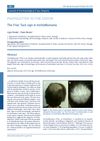
June 2012 in “Journal of Dermatological Case Reports” This report describes an 8-year-old male with trichotillomania, confirmed by trichoscopy showing characteristic hair damage and patterns.
This study found that administering gingerol improved survival and reduced organ damage in mouse models of chronic graft-versus-host disease by modulating T cell differentiation and inflammatory cytokines, suggesting a novel therapeutic approach for steroid-refractory cases.
 1 citations
,
April 2016 in “Journal of Investigative Dermatology”
1 citations
,
April 2016 in “Journal of Investigative Dermatology” This study identified that blocking the PTGDR2 receptor in human hair follicles in vitro and in mice reversed the hair growth inhibition caused by PGD2, suggesting a potential approach for treating alopecia.
2 citations
,
July 1994 in “Journal of Dermatological Science” This study found that a laboratory model using nude mice can produce human hair follicles with amino acid compositions resembling both normal and trichothiodystrophy-affected human scalp hair over extended periods.

The man has Temporal Triangular Alopecia, a stable, non-scarring hair loss condition best treated with hair transplantation.
 7 citations
,
June 2011 in “Movement Disorders”
7 citations
,
June 2011 in “Movement Disorders” A specific gene mutation is linked to a hereditary form of dystonia that responds well to certain medications.
 1 citations
,
April 2016 in “Journal of Investigative Dermatology”
1 citations
,
April 2016 in “Journal of Investigative Dermatology” In this study, PGD2 treatment in keratinocytes increased testosterone production via reactive oxygen species, suggesting a potential role for the NRF2 pathway in androgenic alopecia treatment strategies.
 2 citations
,
March 2023 in “Skin research and technology”
2 citations
,
March 2023 in “Skin research and technology” This study observed that temporal triangular alopecia in infants presents with distinct clinical and dermatoscopic features, indicating the usefulness of dermatoscopy for diagnosis and differential diagnosis.
January 2005 in “Belarusian State Pedagogical University repository (Belarusian State Pedagogical University)” In this study, a 0.5% addition of TPGS to topical minoxidil solutions increased hair growth in mice, but higher concentrations reduced this benefit.
 September 2024 in “Journal of the American Academy of Dermatology”
 In this study, γδTregs showed potential as a cell-based therapy for alopecia areata by preventing hair loss and promoting hair regrowth in humanized AA models.
January 2015 in “DSpace@MIT (Massachusetts Institute of Technology)” This study found that overexpression of the metabolic enzyme PHGDH can promote cancer initiation and progression, highlighting its significant role in tumor cell proliferation and tumorigenesis.
July 2025 in “Journal of Investigative Dermatology” This study found that autologous Foxp3+ γδTregs, when tested in human scalp hair follicle models and mouse xenotransplants, can both prevent and treat alopecia areata by reducing immune privilege collapse and lymphocytic infiltration, suggesting their potential as a novel cell-based therapy for the disease.
October 2025 in “Diagnostics” In this case study, an 18-year-old woman's triangular alopecic patch diagnosed as temporal triangular alopecia was considered non-progressive and had no impact on her quality of life, so no treatment was initiated.
9 citations
,
October 2017 in “Frontiers in plant science” This study found that the peach gene CTG134 mediates auxin-ethylene crosstalk, affecting root hair growth and hormone-regulated processes in plants.
 1 citations
,
October 2021 in “Journal of The American Academy of Dermatology”
1 citations
,
October 2021 in “Journal of The American Academy of Dermatology” This review discusses treatment options for androgenetic alopecia in transgender and gender-diverse patients, highlighting first-line treatments like topical minoxidil and finasteride, but reports no new clinical results.
43 citations
,
January 2016 in “Oxidative medicine and cellular longevity” This review discusses the biological effects and mechanisms of THSG in antiaging and related disease treatments but reports no new experimental findings.
35 citations
,
July 2010 in “The FEBS journal” In this study, researchers identified a highly reactive, isozyme-specific sequence for TGase 3, contributing to understanding its distinct functional role and activity distribution in the mouse epidermis.
 September 2017 in “Journal of Investigative Dermatology Symposium Proceedings”
 This study found that prostaglandin D2 increases testosterone production in human keratinocytes through a mechanism involving ROS and REDOX potential, which could inform treatments for androgenic alopecia.
1 citations
,
January 2024 in “Pharmaceuticals” The researchers reported that dPGS-PCL as a carrier improved the penetration of tofacitinib in an ex-vivo human skin model compared to free tofacitinib, but did not show significant differences in inhibiting IL-6 and IL-8 during short incubation.