 11 citations
,
October 2018 in “Nucleic Acid Therapeutics”
11 citations
,
October 2018 in “Nucleic Acid Therapeutics” This study suggests that transfection with modified KGF-mRNA enhances keratinocyte reepithelialization in wound therapy by temporarily increasing growth factor expression without affecting nuclear DNA.
10 citations
,
April 2018 in “Journal of Mind and Medical Sciences” This article argues that the mind-body problem is a false issue, proposing that the mind merely temporally associates immaterial data with material support without actual interaction.
9 citations
,
September 2021 in “Journal of cosmetic dermatology” This study suggests that hair loss and reduced arterial blood flow after hyaluronic acid filler injection in the temporal region may result from arterial compression rather than intra-arterial occlusion.
 6 citations
,
September 2014 in “Australasian Journal of Dermatology”
6 citations
,
September 2014 in “Australasian Journal of Dermatology” This article describes a case of possible kerosene and diesel-induced skin injury in an asylum seeker and presents a template for dermatological assessments in similar cases, but reports no new clinical findings.
5 citations
,
July 1987 in “European Journal of Obstetrics & Gynecology and Reproductive Biology” This study found that a combined oral contraceptive containing ethinyl estradiol and desogestrel appeared effective in temporarily treating ovarian hyperandrogenism in adolescents, with reductions in hormone levels and ovarian volume observed.
 2 citations
,
June 2022 in “Journal of cosmetic dermatology”
2 citations
,
June 2022 in “Journal of cosmetic dermatology” This case report highlights the onset of alopecia areata following dupilumab treatment, noting the significant temporal link between the medication use and hair loss occurrence.
 January 2024 in “RSC pharmaceutics”
 This source discusses using stratum corneum ablation as a promising method to enhance transdermal drug delivery by temporarily removing the skin's outermost barrier to improve medication absorption.
 January 2021 in “Hair transplant forum international”
 This article discusses a case of a patient with Norwood 3 balding who was treated with finasteride and temporal thickening via strip FUT; it reports no new results.
 August 2014 in “Journal of clinical & experimental dermatology research”
 This study found that using Cerita anti hair loss tonic significantly reduced daily hair loss in men compared to a temple lotion, suggesting potential benefits of herbal stimulators in addressing androgenic hair loss.
October 2011 in “The American Journal of Gastroenterology” This case report suggests a potential association between esomeprazole use and hepatic injury, highlighting a temporal relationship with liver enzyme elevation that resolved upon discontinuing the drug.
 June 2008 in “The Open Dermatology Journal”
 This paper discusses various hair diseases and provides sample patient instruction sheets, offering a template for physicians to potentially integrate into their practice, but reports no new clinical results.
45 citations
,
June 2013 in “Burns” This study suggests that tailoring burn wound treatment to the timing of prevalent cell death types could improve therapy outcomes, as autophagy and apoptosis show distinct temporal patterns post-burn in a rat model.
 31 citations
,
November 2016 in “Cell Reports”
31 citations
,
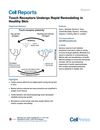
November 2016 in “Cell Reports” This study reveals that somatosensory neurons in mouse skin exhibit structural plasticity during hair-follicle regeneration, which may temporarily impair the reliability of encoding gentle touch.
21 citations
,
December 2023 in “Journal of Investigative Dermatology” This study highlights multiple factors contributing to hair graying, such as oxidative damage, melanocyte changes, and genetic influences, and suggests that repigmentation may be temporarily reversible, offering potential targets for future treatments while urging caution when applying mouse model findings to humans.
13 citations
,
April 2019 in “iScience” In this study, researchers observed that EGFR deficiency in the epidermis affects gene expression related to cell differentiation and structure, highlighting spatial and temporal roles of EGFR during skin and hair follicle development.
 11 citations
,
January 2018 in “Annals of Dermatology”
11 citations
,
January 2018 in “Annals of Dermatology” This case study reports that localized telogen effluvium may be a cause of hair loss following hair transplantation, based on observations in two patients with diffuse hair shedding primarily in the frontal and temporal scalp areas.
10 citations
,
July 2016 in “Clinical and translational science” In this study, sorafenib's common adverse events, like a hand-foot syndrome and diarrhea, were observed in distinct temporal and tissue distribution patterns, revealing new relationships among effects.
5 citations
,
January 2005 in “PubMed” In this study, researchers observed that apoptosis occurs in both growing and regressing hair follicles in dogs, indicating a spatio-temporal relationship with the hair cycle.
4 citations
,
January 2001 in “PubMed” This study found that delmadinone acetate and finasteride caused a reversible suppression of prostate gland activity in male dogs, with delmadinone acetate also temporarily altering epididymal sperm maturation.

In this observational study, dutasteride treatment was associated with statistically significant stabilization of frontal fibrosing alopecia compared to other systemic therapies, with a dose-dependent effect observed across the frontal and bilateral temporal hairlines.
 June 2026 in “WORLD JOURNAL OF PLASTIC SURGERY”
 This study highlights that modern facial rejuvenation techniques have shifted toward minimally invasive injectable methods, with botulinum toxin and hyaluronic acid fillers effectively reducing wrinkles, enhancing facial features, and temporarily addressing age-related facial changes as alternatives to more invasive surgery.
April 2026 in “Canadian Medical Association Journal” This study reported that androgenetic alopecia in women becomes more prevalent with age, with risk factors including heredity and endocrine disorders, and differs clinically from male-pattern hair loss by causing diffuse hair thinning rather than loss at the temples or crown.
 August 2023 in “Journal of Health and Beauty”
 This study found that the newly developed hair product K-30 increased both protein content and weight in chemically damaged hair to levels similar to healthy hair, unlike traditional products that only temporarily improve texture.
 January 2021 in “Journal of cosmetology & trichology”
 This study assessed Ageratum conyzoides gel's efficacy in reducing hair loss and improving quality of life in adults with pattern baldness, finding that it decreased temporal recession and improved hair-related distress scores, with a significant reduction in 5α-reductase expression and PGD2 release in vitro.
In this study, thalamic GABAA receptor α4 subunit levels were regulated after acute and chronic ethanol exposure, with temporal expression changes affected by phosphorylation state and neuroactive steroids.
 January 1983 in “Side effects of drugs annual”
 This chapter reviews adverse effects of anti-anginal and beta-blocker drugs, stating that starting a beta-blocker may temporarily affect driving ability, but it reports no new clinical findings.
January 2021 in “International journal of dermatology, venereology and leprosy sciences” This study identified specific trichoscopic features in patients with androgenetic alopecia and telogen effluvium, highlighting differences in hair shaft diameter variation between fronto-temporal and occipital areas.
26 citations
,
March 2017 in “Aesthetic plastic surgery” Accidental injection of hyaluronic acid caused temporary hair loss and skin damage, but treatment restored hair and healed the skin.
 September 2025 in “Journal of the American Academy of Dermatology”
 Vitiligo may be linked to stopping finasteride.
9 citations
,
July 2024 in “Toxins” This opinion article reviews various pathways through which onabotulinumtoxinA might work in medical treatments, highlighting applications beyond muscle paralysis, including pain inhibition and potential effects on hair loss and cancer cell apoptosis.