Search
for
Sort by
Research
570-600 / 1000+ resultsresearch ACUTE TELOGEN EFFLUVIUM: A SEQUELA OF COVID-19 INFECTION
This study found that 74.6% of COVID-19 patients in Prayagraj experienced telogen effluvium hair loss, predominantly affecting females.
research Dermatological drugs, topical agents, and cosmetics
Tretinoin gel is safe for sun exposure, but tacalcitol doesn't significantly improve non-segmental vitiligo.
research A double blind, randomised, vehicle-controlled, safety and tolerance study of topical PSK 3841 solution at 5% administered twice daily over four weeks to healthy Caucasian males with androgenetic alopecia

research Comparative Evaluation of Oral Baricitinib and Tofacitinib in Alopecia Areata: A Retrospective Cohort Study Based on SALT Scores
In this study, retrospective analysis of patients with severe alopecia areata showed that oral JAK inhibitors, tofacitinib and baricitinib, reduced hair loss significantly, with comparable effectiveness; longer tofacitinib use was linked to greater improvement, while baricitinib achieved substantial outcomes quickly.
research Acute Telogen Effluvium Related To COVID-19 Infection: A Review
This review summarizes findings on hair loss caused by COVID-19, noting that Telogen Effluvium frequently occurs in female patients 63 days post-infection, often in those with mild to moderate cases and certain comorbidities.
research Formulation and Evaluation of Water Fraction Hair tonic Containing Flavonoids from Ethanolic Extract of Green Tea Leaves (Camellia sinensis L.)
This study found that a hair tonic formulated from green tea extract showed similar hair growth-promoting activity to 2% Minoxidil in rabbits, without causing skin irritation or bacterial contamination.
research P164 Cutaneous toxicities occurring during amivantamab treatment: the experience of a single large specialist institution
This study reported that dermatological adverse events are common in patients treated with amivantamab for non-small cell lung cancer, often impacting quality of life and requiring treatment modifications.
research Down-regulation of genes related to photoaging and inflammation in UVBirradiated mice premature skin photoaging by linoleic acid-rich tempeh oil
In this study, tempeh oil rich in PUFAs, particularly from black soybean, significantly down-regulated MMP-9 gene expression in UVB-irradiated mice skin, indicating potential for use in preventing skin photoaging.

research Supplementary Material for: Association between Serum Trace Elements and Telogen Effluvium: A Systematic Review and Meta-Analysis
This study found that telogen effluvium is strongly linked to lower serum levels of ferritin and vitamin D, especially in predominantly female patients.

research Combination Therapy with 308-nm Excimer Laser, Compound Glycyrrhizin, and Tacrolimus for Pediatric Facial and Cervical Vitiligo
This research found that combining a 308-nm excimer laser with oral compound glycyrrhizin and topical 0.03% tacrolimus was more effective for treating pediatric facial and cervical vitiligo, resulting in faster and higher rates of repigmentation with minimal adverse effects compared to glycyrrhizin and tacrolimus alone.

research Therapeutic potential of oral tofacitinib in alopecia areata: a retrospective study
In this retrospective study, tofacitinib showed promise as a treatment for alopecia areata, with 46.5% of patients experiencing a very good response and minimal adverse effects, suggesting it could be a primary option for moderate to severe cases.

research 43647 Treatment of Refractory Folliculitis Decalvans with the Topical JAK Inhibitor Tofacitinib
Topical tofacitinib helped a man with severe scalp condition after other treatments failed.

research ANAPHYLAXIS: A NOVEL TRIGGER OF TELOGEN EFFLUVIUM IN A CHILD WITH COW'S MILK ALLERGY
This case study reports on a 4-year-old girl who developed telogen effluvium, a type of hair loss, after experiencing anaphylactic reactions to cow's milk. The authors highlight this as the first documentation of anaphylaxis potentially triggering telogen effluvium due to physiologic stress.

research Effects of Tithonia diversifolia Extract as a Feed Additive on Digestibility and Performance of Hair Lambs
In this study, Tithonia diversifolia extract was found to improve certain digestive parameters in crossbred sheep but did not enhance growth performance, as the improvements in digestion did not translate into increased body weight or feed conversion.
research ROLE OF TRACE ELEMENTS (ZINC AND COPPER) IN DIAGNOSIS OF PATIENTS OF TELOGEN EFFLUVIUM
This study found that women with telogen effluvium had significantly lower serum copper and zinc levels compared to controls, suggesting these deficiencies may be associated with the condition.
research Oral Tofacitinib in Refractory Pediatric Alopecia Areata
This study reported that six out of seven pediatric patients with refractory patchy alopecia areata experienced significant hair regrowth after one month of oral tofacitinib treatment, suggesting it may be an effective and safe option, although larger studies are needed to evaluate long-term safety.
research PEGylated thymosin β4 is a thiol‐site‐specific prodrug treating myocardial infarction in vivo
This study reported that a modified version of Thymosin beta 4, called PEG-rTβ4, demonstrated potential as a treatment for acute myocardial infarction by improving cardiac function and reducing cell death via specific biochemical pathways, suggesting its promise in drug development efforts.

research OPTIMASI FORMULA HAIR TONIC MIKROEMULSI BIOTIN (VITAMIN B7) DENGAN METODE FACTORIAL DESIGN
This study concluded that the optimum biotin microemulsion hair tonic composition involves span 80 (20%), tween 80 (9.47%), and PEG 400 (5%), providing favorable viscosity and globule size.
research Wiederbehaarung bei einem Patienten mit Alopecia universalis und Psoriasis vulgaris unter Deucravacitinib‐Therapie
This study reports a case where a patient with both psoriasis and alopecia universalis experienced regrowth of scalp and body hair after treatment with Deucravacitinib, a TYK2 inhibitor, suggesting potential effectiveness but recommending controlled studies to confirm this finding.
research Evaluation of a topical treatment for the relief of sensitive skin
This study found that QV Face Rescue Gel effectively induces collagen production, reduces UV-induced erythema, and decreases transepidermal water loss on sensitive facial skin, while being nonstinging, nonirritating, and noncomedogenic.
research 63418 JAK3/TEC kinase pathways are active in alopecia areata lesions, and their inhibition with Ritlecitinib prevents αCD3/αCD28+IL-2 induced immune privilege collapse in healthy hair follicles ex vivo
Ritlecitinib may help treat alopecia areata by protecting hair follicles.
research A Case of Fox-Fordyce Disease
This case report describes successful gradual improvement of Fox-Fordyce disease symptoms in a 22-year-old woman treated with oral teicoplanin and topical creams.

research Treatment of an alopecia areata patient with tofacitinib results in regrowth of hair and changes in serum and skin biomarkers
In this study, oral tofacitinib treatment led to significant hair regrowth and changes in skin and blood biomarkers in a patient with alopecia areata.
research Successful Management of Multiple Trichoepitheliomas in Identical Twins Using Combined Cryotherapy and Topical Tretinoin: A Four-Year Follow-up Case Report
In this case study, a 15-year-old girl with multiple trichoepitheliomas on her face saw a 90% reduction in lesions after combined cryotherapy and topical tretinoin treatment, with no scarring or recurrence over four years.
research Confusion Over Use: Contextualism in Trademark Law (with M. Janis)
research Ritlecitinib: Efficacy of a Novel Therapy for Severe Alopecia Areata in Patients Aged 12 Years and Older
This review analyzes the mechanism and evidence supporting the approved use of ritlecitinib, a JAK3/TEC kinase inhibitor, for treating severe alopecia areata in patients aged 12 and older, highlighting its role in the changing therapeutic landscape of this immune-mediated disease.
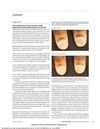
research Tofacitinib Citrate for the Treatment of Nail Dystrophy Associated With Alopecia Universalis
Tofacitinib citrate improved nail dystrophy and pain in patients with alopecia universalis without causing side effects.

research Effectiveness of Tofacitinib in Pre-adolescent Alopecia Areata: A Retrospective Case Series and Literature Review
This study observed that oral tofacitinib was effective and safe for treating alopecia areata in paediatric patients, with 82% of pre-adolescent participants experiencing hair regrowth and 64% showing significant improvement in their hair loss severity scores.
research Development and clinical evaluation of green tea hair tonic for greasy scalp treatment.
This study found that a hair tonic containing 2% green tea extract significantly reduced scalp sebum in 20 volunteers over 28 days without causing skin irritation, suggesting its effectiveness and safety for managing scalp greasiness.