 26 citations
,
January 1994 in “Hormone and Metabolic Research”
26 citations
,
January 1994 in “Hormone and Metabolic Research” This study found that one year of antiandrogen treatment with spironolactone significantly decreased bone mineral density in young women with androgen excess.
 January 2021 in “International journal of basic and clinical pharmacology”
 This study found that hydroxychloroquine was less effective than betamethasone oral mini pulse therapy in managing alopecia areata, with patients on hydroxychloroquine experiencing score increases and more relapses at 24 weeks, though adverse event rates were similar between the groups.
 33 citations
,
October 2016 in “European Journal of Pharmaceutical Sciences”
33 citations
,
October 2016 in “European Journal of Pharmaceutical Sciences” This study found that a novel effervescent formulation significantly increased minoxidil sulphate accumulation in hair follicles and skin compared to a standard minoxidil solution.
 March 2022 in “Nepal Journal of Dermatology Venereology & Leprology”
 In this prospective clinical trial, azathioprine with steroid minipulse therapy and methotrexate with steroid minipulse therapy both improved hair regrowth in alopecia areata patients, but methotrexate showed slightly higher efficacy.
 November 2016 in “Faridpur Medical College Journal”
 This study observed that Betamethasone oral mini-pulse therapy showed a good response in 60% of lichen planus patients, though further research is needed to confirm its efficacy.
 25 citations
,
February 1989 in “The Journal of Clinical Pharmacology”
25 citations
,
February 1989 in “The Journal of Clinical Pharmacology” This document studied minoxidil in healthy volunteers. Minoxidil is quickly absorbed and eliminated from the body.
 14 citations
,
October 1977 in “The Lancet”
14 citations
,
October 1977 in “The Lancet”  13 citations
,
April 2009 in “Acta Medica Scandinavica”
13 citations
,
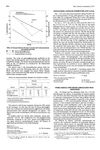
April 2009 in “Acta Medica Scandinavica” This study found that minoxidil effectively reduced blood pressure in patients with severe hypertension and renal failure resistant to conventional drugs, though side effects like hirsutism and edema were common.
 5 citations
,
April 2018 in “Journal of Cosmetic Dermatology”
5 citations
,
April 2018 in “Journal of Cosmetic Dermatology” This study found that the new minoxidil formulation, DC0120, was noninferior to the marketed product ALOSTIL® in promoting hair growth for men with androgenetic alopecia over 16 weeks.
 January 2025 in “Ginekologia Polska”
 In this study, researchers found that certain vitamin D receptor gene polymorphisms are significantly related to insulin concentration during a glucose tolerance test in young women with hyperandrogenism, but these polymorphisms did not affect bone metabolism or other biochemical parameters.
 March 2024 in “bioRxiv (Cold Spring Harbor Laboratory)”
 In this study, early prenatal treatment with Minoxidil, a lysyl hydroxylase inhibitor, partly improved cardiac outflow tract septation in Tbx1 mutant mice, suggesting that inhibiting collagen cross-linking may mitigate some effects of Tbx1 mutation associated with DiGeorge syndrome.
 October 2025 in “Pielegniarstwo XXI wieku / Nursing in the 21st Century”
 This review discusses the effectiveness and mechanisms of combined oral contraceptives in treating acne vulgaris but reports no new clinical results; the authors highlight their antiandrogenic effects for managing acne and related endocrine disorders.
 1 citations
,
January 2013 in “Surgical Science”
1 citations
,
January 2013 in “Surgical Science” This study observed that vitamin and iron deficiencies were similarly prevalent in the first post-surgical year for patients undergoing sleeve gastrectomy and Roux-en-Y gastric bypass, except for more frequent vitamin B6 deficiency in sleeve gastrectomy patients.
 December 2023 in “International Journal of Research in Ayurveda and Pharmacy”
 This review examines Ayurvedic herbs and formulations described in ancient texts for cancer treatment, noting a lack of evidence-based research on their efficacy and potential use in oncology.
 21 citations
,
October 1978 in “The Journal of Clinical Pharmacology”
21 citations
,
October 1978 in “The Journal of Clinical Pharmacology”  June 2017 in “IP Indian journal of clinical and experimental dermatology”
 This study found that using a combination of 10% topical minoxidil, oral finasteride, and microneedling for six months effectively improved male pattern baldness with moderate to excellent responses and high patient satisfaction, without major side effects among the 25 participants.
8 citations
,
January 1984 in “Veterinary Pathology” This study found no conclusive link between prolonged mibolerone treatment and perifollicular mineralization in toy poodles, suggesting it may instead be a senile change common in the breed.
6 citations
,
November 1990 in “DICP” This study found that rapidly administered intravenous cimetidine may cause a significant drop in blood pressure in critically ill patients, whereas ranitidine does not appear to have the same effect.
 3 citations
,
May 2022 in “Journal of The American Academy of Dermatology”
3 citations
,
May 2022 in “Journal of The American Academy of Dermatology” This source notes that while low-dose oral minoxidil is effective for treating androgenetic alopecia, it has been associated with electrocardiogram changes and palpitations even at low doses.
 2 citations
,
January 2018 in “International journal of research in dermatology”
2 citations
,
January 2018 in “International journal of research in dermatology” This study found that intralesional corticosteroids remain the preferred treatment for alopecia areata with limited involvement, while platelet-rich plasma showed promise, particularly in children and extensive cases.
 80 citations
,
August 2002 in “Journal of Dermatology”
80 citations
,
August 2002 in “Journal of Dermatology” This study found that combining oral finasteride with topical minoxidil resulted in the greatest improvement in hair growth for male patients with androgenetic alopecia, compared to using any single treatment.
3 citations
,
January 2022 in “Journal of The American Academy of Dermatology” This study found that 1 mg/day low-dose oral minoxidil significantly increased hair count compared to 0.25 mg/day over 24 weeks in women with female pattern hair loss, though no differences were observed in hair-shedding and quality-of-life scores between the two doses.
 2 citations
,
July 2022 in “Journal of the American Academy of Dermatology”
2 citations
,
July 2022 in “Journal of the American Academy of Dermatology” In this study, researchers aimed to evaluate the safety and tolerability of low-dose oral minoxidil in adolescents, as existing data on its use in this population are limited and there are no specific pediatric guidelines for prescribing it. Results are not reported.
1 citations
,
August 2021 in “Cosmoderma” This study reviewed literature on low-dose oral minoxidil as a treatment for hair loss, finding good compliance and tolerability, with mild adverse effects like hypertrichosis, which increase with higher doses.
 1 citations
,
July 2017 in “Journal der Deutschen Dermatologischen Gesellschaft”
1 citations
,
July 2017 in “Journal der Deutschen Dermatologischen Gesellschaft” Topical caffeine improves hair loss intensity, speed, and shedding, and works better with minoxidil/azelaic acid.
 March 2024 in “JAAD International”
 This review discusses the potential strategy of continuing topical minoxidil when starting low dose oral minoxidil to mitigate initial hair shedding in alopecia, but reports no new clinical results.
 January 2024 in “International Ayurvedic medical journal”
 This study presents a case report of a 25-year-old woman with PCOS who experienced irregular menstruation, weight gain, and depression, highlighting improvements in her symptoms and menstrual regularity after three and a half months of treatment with Ayurvedic medicine and yoga.
December 2022 in “Journal of The American Academy of Dermatology” This letter highlights the lack of evidence on managing persistent alopecia induced by chemotherapy and endocrine therapy in breast cancer patients, noting that prior studies have not included endocrine therapy-induced alopecia.

In this study, a hair tonic formulation with bean leaf juice increased hair growth in male rabbits, with concentration-dependent improvements in hair length and weight compared to a control.
 March 2011 in “Focus on surfactants”
 Several companies launched new hair care ingredients in 2011 to improve conditioning, color retention, combability, and heat protection.