 13 citations
,
April 2020 in “Dermatology and therapy”
13 citations
,
April 2020 in “Dermatology and therapy” This systematic review assessed cyclosporine's effectiveness with or without corticosteroids for treating alopecia areata, finding combined therapy more effective and with a lower recurrence rate than monotherapy, especially for severe cases, though results varied by alopecia type.
12 citations
,
October 2016 in “Patient Preference and Adherence” This study found that both patients and physicians expressed dissatisfaction with disease control in systemic lupus erythematosus, with patients showing greater dissatisfaction than physicians regarding symptoms.
 10 citations
,
March 2015 in “American journal of primatology”
10 citations
,
March 2015 in “American journal of primatology” This study found that ringtailed lemurs consuming leucaena in Berenty absorb mimosine, which causes alopecia without affecting body condition or organ toxicity; this may increase infant mortality due to alopecic mothers.
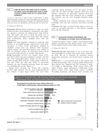
This study suggests that fatigue, joint pain, and light sensitivity are significant impacts for systemic lupus erythematosus patients, highlighting areas of unmet need in current treatment options.
 1 citations
,
May 2022 in “Frontiers in Psychiatry”
1 citations
,
May 2022 in “Frontiers in Psychiatry” In this case study, a 33-year-old female with neuropsychiatric systemic lupus erythematosus experienced hair regrowth with no further loss after receiving a combination of systemic and local treatments.
March 2026 in “Clinical and Experimental Dermatology” This study found that patients with chronic, persistent alopecia areata experience significant psychosocial impairments unrelated to scalp hair loss, which influence their decision to start systemic therapy.
 May 2025 in “The Journal of Rheumatology”
 This report describes two cases where female patients with chronic granulomatous disease developed manifestations of systemic lupus erythematosus, highlighting a rare association that may influence clinical evaluation and treatment planning.
 February 2025 in “Indian Dermatology Online Journal”
 This case report describes a rare occurrence of pincer nail deformity in a patient with systemic lupus erythematosus, potentially linked to Raynaud's phenomena as a contributing factor.
September 2024 in “Journal of Ayurveda and Integrative Medicine” This case report detailed a 45-year-old woman with diffuse systemic sclerosis who underwent Ayurvedic treatment, leading to reduced depigmentation, new hair growth, and improved well-being over eight weeks. The findings suggest the potential efficacy of a holistic Ayurvedic approach in managing scleroderma symptoms.
 February 2024 in “Rheumatology & autoimmunity”
 This case report documents a rare instance where homonymous hemianopia was the first manifestation of systemic lupus erythematosus in a 42-year-old woman, suggesting its potential inclusion as an initial diagnostic indicator in SLE.
 August 2023 in “The American Journal of Medicine”
 This case report describes a 17-year-old female patient diagnosed with systemic lupus erythematosus, presenting with arthralgia, hair loss, and Raynaud's phenomenon. The diagnosis was supported by elevated ESR and positive autoantibodies, and treatment included hydroxychloroquine and prednisone.

In this study involving 30 Kazakh women with systemic lupus erythematosus, the researchers found a strong correlation between disease activity (SELENA-SLEDAI scores) and organ damage (SLICC/ACR scores), which depended on disease duration and reliably reflected cumulative disease activity.
 June 2017 in “Journal of The American Academy of Dermatology”
 Tapinarof cream at 1% concentration is effective and better tolerated for treating atopic dermatitis than the 2% concentration.
 March 2016 in “Journal of the European Academy of Dermatology and Venereology”
 The April 2016 JEADV issue covered various dermatology topics, including psoriasis, psoriatic arthritis, mTOR inhibitors, autoimmune diseases, photodynamic therapy, viral DNA in skin diseases, chronic hand eczema, and female hair loss.
54 citations
,
February 2012 in “Pediatrics in Review” This article discusses systemic lupus erythematosus, covering its clinical features, treatments, and the recent FDA approval of belimumab, but does not present new clinical results.
 5 citations
,
March 2016 in “Drug Development and Industrial Pharmacy”
5 citations
,
March 2016 in “Drug Development and Industrial Pharmacy” This article reviews the promising ease of drug administration via transdermal and other topical routes, highlighting their potential for high patient compliance and reduced side effects but provides no new clinical results.
 4 citations
,
May 2008 in “Clinics in Dermatology”
4 citations
,
May 2008 in “Clinics in Dermatology” Skin problems can indicate different diseases inside the body.
 January 2025 in “Hospital Pharmacology - International Multidisciplinary Journal”
 In this study, researchers explored the effects of various medications on eye health, noting that systemic and local ophthalmic drugs can lead to both widespread and specific ocular side effects, with serious adverse events most associated with neurotropic, immunotropic, and antitumor medications.
 August 2023 in “American Journal of Hospice and Palliative Medicine”
 This study describes common skin disorders in palliative care patients, emphasizing that conditions like xerosis, pressure ulcers, and fungal infections often require symptomatic treatment focused on quality of life rather than cure, due to limited life expectancy and potential treatment burdens.
June 2026 in “IECCMEXICO” This review found that dermatological manifestations often indicate systemic diseases, with endocrine-metabolic disorders, autoimmune diseases, and renal or hepatic conditions frequently linked to specific skin changes, highlighting the diagnostic importance of skin examination in internal medicine and endocrinology.
 71 citations
,
November 2013 in “Clinics in Dermatology”
71 citations
,
November 2013 in “Clinics in Dermatology” This review discusses the chronic nature of acne and its association with various systemic diseases, but reports no new clinical findings, highlighting the need for further study on its nutritional or genetic links.
 18 citations
,
February 2006 in “Brain & development”
18 citations
,
February 2006 in “Brain & development” This case study reports successful treatment of a 19-year-old with Satoyoshi syndrome using a combination of carbamazepine, methotrexate, prednisolone, and sex-steroids, improving muscle spasms, alopecia, and quality of life.
5 citations
,
April 2022 in “IntechOpen eBooks” This source describes the potential benefits of a nanoemulgel delivery system for enhancing the use of lipophilic drugs, improving patient compliance, and expanding treatment options for various conditions, including acne, arthritis-related inflammation, and Parkinson's disease, while also offering sunburn protection in cosmetic applications.
 July 2025 in “Journal of Education Health and Sport”
 This review found that androgenetic alopecia may be associated with increased risks of cardiovascular disease, metabolic disorders, and mental health impacts, suggesting its potential as a biomarker for systemic conditions.
 January 1985 in “Japanese Journal of Clinical Immunology”
 This case report links bacterial endocarditis with aortic regurgitation in a patient with discoid lupus to tooth extraction and immunosuppressant therapy, noting recurrent enterococcus infections.
 11 citations
,
March 2019 in “Journal of The American Academy of Dermatology”
11 citations
,
March 2019 in “Journal of The American Academy of Dermatology” This review identifies evidence of sexual adverse effects, particularly linked to finasteride, in men using systemic dermatologic medications but reports no new clinical findings.
1 citations
,
May 2022 in “European Journal of Dermatology” This study found that while no predictive factors for response to vismodegib were identified, longer treatment duration was associated with a lower risk of relapse in basal cell carcinoma patients.
 1 citations
,
January 2017 in “Current Dermatology Reports”
1 citations
,
January 2017 in “Current Dermatology Reports” This review discusses how hair and nail manifestations can indicate systemic diseases, emphasizing the importance of these appendageal clues in physical diagnosis, but reports no new findings.
September 2025 in “Anti-Aging Eastern Europe” This review discusses the full spectrum of polycystic ovary syndrome's impact on women, highlighting the need for more comprehensive care that addresses both visible symptoms and hidden systemic burdens, and reports no new clinical results.

In this study, Korean patients with systemic lupus erythematosus reported worse perceptions and higher adverse events with the COVID-19 vaccine compared to the influenza vaccine.