 December 2024 in “Archiv Euromedica”
 This review highlights that diagnosing cicatricial alopecia, a hair loss condition linked to several autoimmune diseases, requires trichoscopy and histopathological examination to differentiate it from similar conditions, with early diagnosis being crucial for effective management.
April 2024 in “Journal of clinical medicine” This review discusses the diverse cutaneous manifestations of lupus erythematosus and emphasizes the importance of differential diagnosis for effective management, but reports no new clinical findings.
March 2024 in “International journal of molecular sciences” This review summarizes current literature associating mitochondrial dysfunction with dermatologic issues like skin aging, hair loss, and poor wound healing, noting potential benefits in targeting mitochondrial components for treatments.
 January 2024 in “Rheumatology quarterly”
 This research highlights the essential role of skin findings in diagnosing and managing rheumatic diseases, emphasizing their importance in early recognition, classification, and treatment planning, which requires collaboration between rheumatologists and dermatologists.
 January 2024 in “Pediatric rheumatology online journal”
 In this case report, the authors describe a child and his mother with a heterozygous STING variant linked to SAVI, who exhibited atypical disease courses and varying organ involvement, underlining the diverse clinical manifestations of SAVI.
 January 2024 in “International Journal of Trichology”
 In this study, researchers reviewed the evidence linking COVID-19 with dermatologic conditions like androgenetic alopecia and concluded that most proposed associations lack convincing statistical support, challenging the idea of these as independent risk factors for COVID-19 severity.
 August 2023 in “Dermatology and Therapy”
 This consensus statement from Saudi Arabia outlines evidence- and experience-based recommendations for diagnosing and managing alopecia areata, focusing on severity assessment, prognostic indicators, and therapeutic options, with special attention to pediatric patients and uncommon cases.
 August 2023 in “MOJ women's health”
 This review discusses the potential role of brown adipose tissue in managing polycystic ovary syndrome and reports no new clinical results; it highlights a need for further research on this therapeutic avenue.
 January 2021 in “Springer eBooks”
 This chapter reviews skin manifestations in common rheumatic diseases, particularly those with polyarthritis, and offers a differential diagnosis of erythema nodosum without presenting new research findings.
January 2019 in “Springer eBooks” Combination therapies might work better for some vitiligo patients, but results vary.
September 2024 in “International Journal of Women’s Dermatology” This study emphasizes that for effective management of alopecic sarcoidosis, evidence-based strategies including prompt diagnosis and systemic evaluation, particularly for scarring alopecia, are crucial to achieve better patient outcomes.
April 2023 in “International Journal of Pharmaceutics” In this study, melatonin-loaded Pickering emulsions stabilized by chitosan-dextran sulphate nanoparticles and enhanced with lecithin showed improved photostability, antioxidant activity, and follicular delivery in androgenic alopecia-affected rats, potentially rivaling commercial minoxidil for hair loss treatment.
 July 2012 in “Hair transplant forum international”
 This article reviews potential factors contributing to hair loss in androgenetic alopecia beyond genetic predispositions and discusses current knowledge without presenting new clinical results.
 January 2011 in “Side effects of drugs annual”
 Tretinoin gel is safe for sun exposure, but tacalcitol doesn't significantly improve non-segmental vitiligo.
 37 citations
,
June 2021 in “Journal of the European Academy of Dermatology and Venereology”
37 citations
,
June 2021 in “Journal of the European Academy of Dermatology and Venereology” This review discusses how acute exposures to environmental and internal stressors can quickly alter skin functions, leading to various dermatological symptoms, and calls for more research on these short-term effects.
 68 citations
,
May 2013 in “The American journal of medicine”
68 citations
,
May 2013 in “The American journal of medicine” This report documents two cases of severe systemic poisoning from heavy metals after short-term use of traditional Chinese medicines for treating damaged or infected tissue.
 50 citations
,
March 2017 in “PeerJ”
50 citations
,
March 2017 in “PeerJ” This study found that longer exposure to 5α-reductase inhibitors significantly increased the risk of persistent erectile dysfunction, especially in younger men exposed to finasteride.
 38 citations
,
July 2010 in “Clinical, cosmetic and investigational dermatology”
38 citations
,
July 2010 in “Clinical, cosmetic and investigational dermatology” This review discusses systemic antifungal treatments for tinea capitis in children, noting that newer agents like terbinafine and itraconazole require shorter courses than the traditional griseofulvin, but may be more costly.
 26 citations
,
November 1993 in “Progress in Neuro-psychopharmacology & Biological Psychiatry”
26 citations
,
November 1993 in “Progress in Neuro-psychopharmacology & Biological Psychiatry” This study reported that prenatal exposure to dihydrotestosterone altered long-term androgen metabolism in juvenile male rats, suggesting different regulatory mechanisms for 5a-reductase in hypothalamic versus pituitary tissues.
 9 citations
,
December 2023 in “Journal of Neuroimmune Pharmacology”
9 citations
,
December 2023 in “Journal of Neuroimmune Pharmacology” This study found that systemic administration of NDP-MSH, a melanocortin receptor agonist, provided neuroprotective effects on dopaminergic nigrostriatal neurons in a mouse model of Parkinson's disease, reducing neuroinflammation and suggesting a role for regulatory T cells in these neuroprotective effects.
 April 2026 in “bioRxiv (Cold Spring Harbor Laboratory)”
 In this study, periodic exposure to red light in aged mice led to increased histone acetylation and activated mitochondrial fatty acid oxidation, which collectively mitigated cellular aging by modulating metabolism, inflammation, and gene expression.
 3 citations
,
October 2021 in “Cureus”
3 citations
,
October 2021 in “Cureus” This review discusses yellow hair discoloration associated with smoking and systemic conditions, proposing smoking cessation or hair removal as management options, but provides no new clinical results.
 215 citations
,
March 2018 in “Archives of Toxicology”
215 citations
,
March 2018 in “Archives of Toxicology” This study found that PM2.5 exposure induced oxidative stress in human keratinocytes and mouse skin, causing cellular damage, which was mitigated by the antioxidant N-acetyl cysteine.
 295 citations
,
March 2016 in “Life Sciences”
295 citations
,
March 2016 in “Life Sciences” This review discusses the links between particulate matter exposure and skin diseases, highlighting oxidative stress and inflammation as key mechanisms; it reports no new clinical results.
 1 citations
,
August 2005 in “British Journal of Dermatology”
1 citations
,
August 2005 in “British Journal of Dermatology” This case report describes a 7-year-old girl who developed widespread erythroderma and systemic symptoms after ingesting clobetasone butyrate cream, despite previous psoriasis treatment.
 December 2025 in “IP Indian Journal of Clinical and Experimental Dermatology”
 Hair shaft disorders often indicate genetic or systemic issues and are managed by minimizing damage.
 May 2025 in “The Journal of Rheumatology”
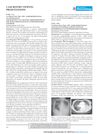
 This case report describes a patient with systemic lupus erythematosus whose unusual nephrological presentation led to a diagnosis of C3 glomerulopathy, highlighting the importance of considering atypical findings to broaden diagnostic approaches.
 January 2025 in “ARC Journal of Dermatology”
 In this study, exposure to e-cigarette vapor was reported to trigger the release of proinflammatory cytokines IL-6, IL-8, and IL-10, which could contribute to dermatological issues.
 18 citations
,
March 2009 in “Medical Hypotheses”
18 citations
,
March 2009 in “Medical Hypotheses” This review discusses the potential link between long-term transdermal exposure to sex hormones from antiperspirants and increased breast and prostate cancer rates, calling for further research to confirm this theory.
 62 citations
,
January 2003 in “Dermatology”
62 citations
,
January 2003 in “Dermatology” This review suggests that androgenetic alopecia may be exacerbated by exposure to ultraviolet radiation and proposes considering it as a photoaggravated condition requiring photoprotection.