 April 2026 in “Mendeley Data”
 Topical hair loss treatments have a stronger placebo effect than systemic ones.
 April 2026 in “Mendeley Data”
 Topical treatments for hair loss have a stronger placebo effect than systemic ones.
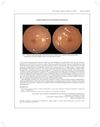 April 2026 in “The National Medical Journal of India”
 This case report highlights a 42-year-old woman with systemic lupus erythematosus who exhibited fundus changes indicating retinal vasculitis, underlining the importance of regular ocular fundus examinations for early detection of severe disease complications.
 April 2026 in “SHILAP Revista de lepidopterología”
 This case report illustrates that prompt diagnosis and treatment of myositis in an SLE patient can lead to symptom resolution and highlights this condition as a rare SLE complication.
 March 2026 in “Lithuanian University of Health Sciences”
 In this study, a systematic review found that for androgenetic alopecia, systemic treatments like finasteride, dutasteride, and oral minoxidil are effective at slowing progression and promoting hair regrowth, with additional antiandrogen therapy options for women.

This review highlights that iron deficiency is a significant yet often overlooked contributor to the development of immune-mediated inflammatory skin diseases, suggesting that iron dysregulation may drive inflammation and metabolic imbalances in conditions like psoriasis and atopic dermatitis.
March 2026 in “Clinical and Experimental Dermatology” This study found that patients with chronic, persistent alopecia areata experience significant psychosocial impairments unrelated to scalp hair loss, which influence their decision to start systemic therapy.

In this case study, a 12-year-old boy with alopecia totalis experienced hair regrowth on the side of his scalp treated with a combination of systemic steroids and dithranol, suggesting a potential synergistic effect that may help manage severe alopecia areata with minimal side effects.
January 2026 in “Journal of Clinical Medicine” The study found that systemic inflammatory markers were elevated in patients with severe alopecia areata compared to those with mild disease and healthy controls, and these markers decreased in patients who improved after JAK inhibitor therapy.
This case report illustrates that prompt diagnosis and management of myositis, a rare manifestation of Systemic Lupus Erythematosus, can lead to favorable patient outcomes, as demonstrated by symptom resolution and normal electromyocardiography findings.
January 2026 in “Saudi Journal of Internal Medicine” This study found that depression and anxiety are common in adults with systemic lupus erythematosus and are associated with increased disease activity and specific complications like hair loss and cardiac issues.
December 2025 in “Chinese Medical Journal” This study developed a simplified multidimensional assessment scale for alopecia areata severity and systemic treatment initiation among Chinese patients, achieving expert consensus on relevant clinical indicators and conditions.
 December 2025 in “Cosmoderma”
 This study reviewed evidence suggesting that systemic corticosteroids, particularly in pulse regimens like dexamethasone and betamethasone oral mini-pulse, effectively slow vitiligo progression and support repigmentation, while offering a favorable safety profile compared to continuous therapy.
 December 2025 in “International Journal of Advances in Medicine”
 This case report highlights that careful interpretation of ANA-IF titers and patterns is crucial for the early detection of systemic lupus erythematosus, underscoring the role of specific autoantibody profiling in achieving precise diagnosis.
 December 2025 in “Cureus”
 This case report highlights the importance of considering SLE in young male patients with unexplained inflammatory musculoskeletal symptoms, as systemic inflammation was identified and symptoms improved with hydroxychloroquine.
December 2025 in “JEADV Clinical Practice” This review reports that innovative topical treatments for dermatologic conditions like acne and atopic dermatitis show minimal systemic absorption, indicating improved safety and tolerability compared to traditional therapies.
 December 2025 in “Philippine Journal of Internal Medicine”
 This case report describes a 45-year-old woman with an SLE-SSc overlap syndrome who experienced significant improvement in symptoms after tailored immunosuppressive therapy including prednisone and mycophenolate mofetil.
December 2025 in “Fertility and Sterility” Both LNG-IUD and systemic progestins are effective for fertility-sparing treatment, but close monitoring is needed due to recurrence risk.
 November 2025 in “Pacific Journal of Medical Research”
 This study found that acute cutaneous lupus erythematosus, particularly malar rash, was the most common skin manifestation among SLE patients in Bangladesh, with significant occurrences of nonspecific lesions like alopecia and mucosal ulcers.
November 2025 in “JEADV Clinical Practice” In this retrospective cohort study, patients using leflunomide for primary autoimmune conditions showed a decreased risk of developing alopecia areata, while those using methotrexate, cyclosporine, and rituximab had an increased risk.
 November 2025 in “Cermin Dunia Kedokteran”
 In this case report, a 16-year-old Asian girl with deep vein thrombosis and autoimmune hemolytic anemia was suspected of having systemic lupus erythematosus, highlighting the importance of early recognition of unusual SLE manifestations.
November 2025 in “Clinical Cosmetic and Investigational Dermatology” This report presented a case of a patient with basal cell carcinoma and systemic lupus erythematosus who was treated successfully with sonidegib, showing positive outcomes without worsening lupus activity, despite lacking documented clinical use of sonidegib in such patients.

This case report highlights the diagnostic challenge of ANA-negative pediatric SLE in South Asia, emphasizing the need for comprehensive diagnostic criteria and clinical vigilance for early recognition and treatment.
 September 2025 in “Australasian Journal of Dermatology”
 In this update, researchers incorporated TGA-approved Janus Kinase inhibitors into the Australian treatment guidelines for chronic, moderate to severe Alopecia areata, aiming to enhance recommended therapies by providing guidance on the use and management of these systemic medications.
September 2025 in “Texila international journal of public health” In this study, isotretinoin, an effective treatment for severe acne, was found to significantly impact hematological, inflammatory, and oxidative stress biomarkers, suggesting potential risks alongside its therapeutic benefits.
September 2025 in “Mansoura Journal of Chemistry” This study found that certain blood and urine markers, such as reduced hemoglobin and leukocyte counts and elevated proteinuria, are significant in diagnosing juvenile systemic lupus erythematosus, underscoring the need for further research to refine diagnostic criteria and improve patient outcomes.
July 2025 in “Journal of Investigative Dermatology” In this study, researchers analyzed data from male psoriasis patients and reported the association between psoriasis management medications and male infertility, noting the scarcity of existing data on this topic.
July 2025 in “Journal of Investigative Dermatology” Leflunomide may reduce the risk of alopecia areata, while methotrexate, cyclosporine, and rituximab may increase it.

This case report details a 45-year-old woman with SLE who experienced severe leukopenia and hair loss attributed to azathioprine, suggesting the importance of recognizing these potential adverse effects for timely intervention.
June 2025 in “Neurology India” This case report describes a young girl with a rare association of anti-SRP positive necrotizing autoimmune myopathy and systemic lupus erythematosus, who responded well to corticosteroid treatment.