2 citations
,
September 2017 in “Journal of Investigative Dermatology” This study found that notch1 signaling is severely impaired in hidradenitis suppurativa patients with or without NCSTN or other gamma-secretase gene mutations, highlighting a canonical defect at the lesional tissue level.
1 citations
,
August 2025 in “Bioengineering” In this study, the combination of full-thickness skin column grafts and the TSN6 peptide improved wound healing quality in pigs by enhancing epidermal maturation compared to other treatments.

In this phase 2 trial, STS01 1% significantly improved hair regrowth in patients with mild to moderate patchy alopecia areata compared to placebo, with a manageable skin irritation side effect profile.
 19 citations
,
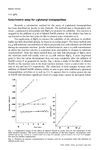
November 1971 in “Clinica Chimica Acta”
19 citations
,
November 1971 in “Clinica Chimica Acta” In this study, the researchers found that the absence of the NFI-C transcription factor delayed the hair growth cycle in mice by affecting key gene expressions and signaling pathways.
22 citations
,
August 2020 in “Cells” This review discusses the role of TGM3 in skin and hair follicle biology, human tumor pathology, and genetic abnormalities, and reports no novel results; the authors highlight its potential as a cancer diagnostic biomarker.
 7 citations
,
March 2012 in “European Journal of Pediatrics”
7 citations
,
March 2012 in “European Journal of Pediatrics” This case report describes a 4.5-year-old boy with steroid-resistant nephrotic syndrome linked to X-linked recessive ichthyosis, where remission was achieved using cyclosporine, suggesting STS deficiency as a potential genetic cause of the condition.
 18 citations
,
October 2005 in “International Journal of Pharmaceutics”
18 citations
,
October 2005 in “International Journal of Pharmaceutics” This study found that incorporating 0.5% TPGS into topical minoxidil solutions enhanced hair growth in mice, although increasing TPGS to 2% decreased effectiveness.
 25 citations
,
May 2020 in “Aesthetic Surgery Journal”
25 citations
,
May 2020 in “Aesthetic Surgery Journal” In this systematic review, tSVF-based therapy demonstrated favorable outcomes for various pathologies, including aged skin and osteoarthritis, with low incidence of adverse events, while highlighting the need for further research into optimal protocols and mechanisms of action.
33 citations
,
October 2013 in “PloS one” This study found that human sweat glands contain unique stem cells with significant multilineage differentiation potential and self-renewal abilities, suggesting promising clinical applications due to easy biopsy access.
1 citations
,
February 2023 in “Applied sciences” This study found that methylcellulose-based hydrogels can effectively deliver growth hormone through the skin, with albumin increasing the hormone's permeation to 93% in simulated in vivo conditions.
2 citations
,
May 2022 in “The journal of immunology/The Journal of immunology” In vivo using the C3H mouse model, this study observed that BST2 expression occurs before hair loss in alopecia areata and is followed by an increase in epidermal γδ T cell numbers.
July 2021 in “British Journal of Dermatology” This report describes a boy with ectodermal dysplasias who was genetically diagnosed due to newly discovered TSPEAR gene variants, which have now been associated with this condition.
 2 citations
,
April 2023 in “Pharmaceuticals”
2 citations
,
April 2023 in “Pharmaceuticals” This review discusses the controversial cardiovascular safety and efficacy of subcutaneous testosterone therapy in postmenopausal women, noting that its long-term use appears safe, but CV risk assessments remain disputed.
14 citations
,
April 2015 in “Stem Cell Research & Therapy” This study found that dermal stem cells from granulation tissue promoted wound healing and reduced fibrosis in a combined radiation and skin wound mouse model.
 October 2025 in “Indian Journal of Dermatology”
 This study examined the dermoscopic features of five patients with tuberous sclerosis and found that dermoscopy can differentiate characteristic cutaneous features from similar conditions, potentially aiding in earlier diagnosis when other symptoms are subtle or absent.
69 citations
,
December 2015 in “BMC plant biology” This study provides evidence that five Hyp-O-GALT genes are crucial for AGP galactosylation and that AGP glycans are vital for various aspects of plant growth and development.
103 citations
,
April 2005 in “Experimental dermatology” This study found that PGF2alpha analogues and PGE2 stimulated hair follicle activity in mice, with PGF2alpha analogues also linked to potential side effects like poliosis when used as eye treatments.
35 citations
,
October 2014 in “Wound Repair and Regeneration” This study developed a validated murine model of hypertrophic scar contraction, demonstrating similarities to human skin and observing graft contraction and tissue characteristics over time.
 January 2020 in “Modern Plastic Surgery”
 This study concluded that estimating split thickness skin graft take by observation is as reliable as using the Image J digital program.
 March 2023 in “Research Square (Research Square)”
 In this study, researchers found that changes in immune cell infiltration and immune-related gene expression may contribute to the immune microenvironment changes in male androgenetic alopecia.
 May 2025 in “Anadolu Kliniği Tıp Bilimleri Dergisi”
 This study found that in male patients with androgenic alopecia, individuals with certain glutathione S-transferase gene polymorphisms exhibited higher oxidative stress and lower antioxidant capacity, although differences were not statistically significant, and oxidative stress appeared to increase with the progression of alopecia stages.
118 citations
,
June 1993 in “Journal of Biological Chemistry” This study found that mouse and human protransglutaminase 3 enzymes require calcium-regulated activation for their role in later stages of cell envelope formation in the epidermis and hair follicle.
22 citations
,
December 2020 in “mSphere” This study identified a fungal sulfotransferase enzyme, FgSULT1, from *Fusarium graminearum*, expanding the sulfotransferase superfamily and offering new biocatalytic methods for producing bioactive sulfates.
 September 2017 in “Journal of Investigative Dermatology”
 This study suggests that the newly characterized sebocytic progenitor cells HSGC1 and HSGC2 from different skin sites may have proliferative and differentiating potential in response to DHT.
 18 citations
,
April 2014 in “Stem cells”
18 citations
,
April 2014 in “Stem cells” The researchers reported that minor salivary gland stem cells exhibit stem cell characteristics and respond to tobacco-derived carcinogens, implicating the transforming growth factor beta pathway in their maintenance.
April 2021 in “Journal of Investigative Dermatology” Early-stage skin substitutes improve wound healing and skin structure.
 February 2026 in “Frontiers in Medicine”
 In this case report, a three-generation family with Gorlin-Goltz syndrome showed a heterozygous PTCH1 splice-donor variant associated with the disease, and two affected relatives benefited from individualized, side-effect-guided dosing of the drug sonidegib, experiencing regression of basal cell carcinoma lesions.
26 citations
,
December 2012 in “Bioanalysis” The researchers reported that glucuronides stored as dried blood spots under ambient conditions exhibited stability equivalent to liquid samples stored at -80°C.
8 citations
,
January 2023 in “International journal of molecular sciences” This study reveals that transglutaminase activity is widespread in integumentary structures of mammals and birds, suggesting it plays a significant role in the cornification of hard skin appendages like nails and feathers.
March 2022 in “Oncology Times” In this study, tebentafusp-tebn improved overall survival in patients with metastatic uveal melanoma compared to standard therapies, despite higher rates of significant adverse events.