January 2003 in “Dialnet (Universidad de la Rioja)” This study isolated highly pure oleanolic and maslinic acids from olive milling residues, exploring their chemical reactions, including the formation of finasteride precursors.
January 2011 in “Archivio Istituzionale della Ricerca (Universita Degli Studi Di Milano)” This study found that a combination of spermidin, rutine, and zeaxantine effectively reduced staurosporin-induced apoptosis in cultured hair follicle dermal papilla cells, potentially preventing the regression phase in the hair follicle cycle.
April 2026 in “Journal of Drug Delivery Science and Technology” This review highlights the potential of liposomes and nanofibers to enhance wound healing by allowing controlled drug release and supporting natural healing processes, although regulatory challenges remain for their clinical implementation.
 29 citations
,
September 1990 in “Biochemical Journal”
29 citations
,
September 1990 in “Biochemical Journal” This study reports the purification of a specific sulphotransferase from rat liver that catalyzes the sulphation of minoxidil, potentially implicating it in minoxidil's bioactivation.
 51 citations
,
March 2006 in “Bioorganic & Medicinal Chemistry”
51 citations
,
March 2006 in “Bioorganic & Medicinal Chemistry” This study screened synthesized pyridinecarboxamides for antitumor properties and found that many, particularly 5c and 7a, showed moderate in vitro activity against various human tumor cell lines.
 38 citations
,
January 2002 in “Biological & Pharmaceutical Bulletin”
38 citations
,
January 2002 in “Biological & Pharmaceutical Bulletin” This study reported that the aqueous ethanol extract of Lygodii Spora demonstrated in vitro testosterone 5alpha-reductase inhibition and in vivo anti-androgenic activity, potentially due to oleic, linoleic, and palmitic acids.
19 citations
,
January 1993 in “Dermatologic Clinics”  July 2026 in “Regenerative medicine reports .”
 This study concluded that nanoparticle-based delivery systems may significantly enhance wound healing and tissue regeneration in third-degree burns, though challenges like nanoparticle variability and cytotoxicity remain.
 October 2023 in “Journal of Drug Delivery and Therapeutics”
 This study evaluated niosome-based gels for delivering salicylic acid topically to treat acne vulgaris and found that the formulation SANG5, using Carbopol 940 and nutmeg oil, demonstrated the best drug release profile.
 47 citations
,
September 2013 in “Aaps Pharmscitech”
47 citations
,
September 2013 in “Aaps Pharmscitech” This study found that liquid crystalline nanoparticles formulated with Cremophor surfactants significantly enhanced skin permeation of finasteride compared to lower surfactant concentrations.
 8 citations
,
February 2010 in “Journal of Dermatology”
8 citations
,
February 2010 in “Journal of Dermatology” This study observed that a topical liposome formulation of a 5‐α‐reductase inhibitor effectively reduced the size of treated sebaceous glands and induced apoptosis in a hamster model, suggesting potential benefits for acne treatment.
53 citations
,
November 2014 in “International Journal of Oncology” This study found that wedelolactone, a natural compound from plants, inhibited breast cancer-mediated osteoclast differentiation and activity in vitro, suggesting its potential as a therapy for bone destruction in breast cancer bone metastasis.
77 citations
,
December 2004 in “Choice Reviews Online” This review discusses various drugs and their uses across multiple therapeutic categories but reports no new clinical results.

This study demonstrated that de novo designed bifunctional proteins can target and degrade BCL-xL, leading to cell apoptosis, suggesting a new approach to targeted protein degradation therapy.
This study synthesized new heterocyclic steroid derivatives and reported their promising antiproliferative activity against breast and prostate cancer cell lines, highlighting selectivity and impact on signaling pathways even in cells resistant to certain treatments.
 451 citations
,
March 2005 in “Endocrine Reviews”
451 citations
,
March 2005 in “Endocrine Reviews” This paper discusses the role of steroid sulfatase in hormone-dependent tumors and highlights the development of potent inhibitors, noting the commencement of a phase I trial for one inhibitor in postmenopausal breast cancer patients.
2 citations
,
September 2024 in “Journal of intelligent medicine.” This review consolidates various rational design strategies for nanozymes, emphasizing the mechanisms needed for precise design and exploring their applications in treating inflammatory diseases, diagnosing diseases, and environmental uses, while also discussing the challenges and future prospects in this emerging field.
3 citations
,
October 2024 in “Frontiers in Pharmacology” This laboratory study found that PI extract, along with its metabolites Ang and Mac, inhibited cell proliferation and protein expression linked to pathways involved in BPH, suggesting potential for therapeutic use, although the Ang-Mac combination showed no significant effect on apoptosis through the p53 pathway.
4 citations
,
July 2023 in “Journal of Drugs in Dermatology” This review analyzed past research on hormonal treatments for hidradenitis suppurativa, finding that anti-androgens like finasteride and spironolactone, along with metformin, showed promise but large-scale trials are needed to understand their full potential.
July 2025 in “Journal of Translational Medical Research” In this experimental study, chrysin-stabilized silver nanoparticles were integrated into scaffolds and demonstrated significant antibacterial activity against Staphylococcus aureus, as well as improved wound healing in rats when compared to controls.
9 citations
,
June 2022 in “Microorganisms” This review outlines the urgent need for effective therapeutic interventions against coronaviruses, as current vaccines are challenged by virus mutations, and emphasizes developing safe, affordable, and broad-spectrum antivirals for both human and porcine coronaviruses.
 16 citations
,
August 2004 in “Tetrahedron”
16 citations
,
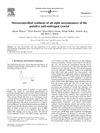
August 2004 in “Tetrahedron” In this study, all stereoisomers of cyoctol were synthesized and tested, revealing that contrary to initial patent claims, cyoctol does not function as an anti-androgen.
 40 citations
,
November 2017 in “International journal of nanomedicine”
40 citations
,
November 2017 in “International journal of nanomedicine” In this study, the researchers reported that chloramphenicol-loaded liposomes, particularly those incorporating deoxycholic acid, enhanced follicular uptake and showed strong antibacterial activity against methicillin-resistant Staphylococcus aureus, offering potential for treating MRSA-infected skin conditions with good skin biocompatibility and minimal toxicity.
In this study, cepharanthine and tetrandrine demonstrated efficacy against SARS-CoV-2 in a cell-based infection assay, with cepharanthine showing a lower IC50 value.
 January 2026 in “Zenodo (CERN European Organization for Nuclear Research)”
 This study reports the discovery of LX-38, a new high-affinity non-steroidal antagonist that could provide the therapeutic benefits of current BPH and AGA treatments without the hormonal side effects, utilizing a distinct "Orthogonal T-Stacking" scaffold for binding.
2 citations
,
December 2013 in “Cancer research” In this study, GTx-027, a selective androgen receptor modulator, significantly inhibited tumor growth in certain breast cancer models and showed good tolerance in a Phase II trial with postmenopausal women.
October 2007 in “Obstetrical & Gynecological Survey” The researchers reported that low-dose methotrexate, in combination with surgical dilatation and local treatments, may improve symptoms in patients with severe stenosing vulvovaginal lichen planus.
 2 citations
,
June 2017 in “Journal of biomedicine and translational research”
2 citations
,
June 2017 in “Journal of biomedicine and translational research” In this study, Oligonol® was shown to regulate gene expression related to cell proliferation and inflammation in human dermal papilla cells.
July 2025 in “Journal of Investigative Dermatology” February 2024 in “Indian Journal of Chemistry” In this study, researchers synthesized nine new nicotinamide derivative compounds and found that one, identified as N4, exhibited significant cytotoxic effects on MCF-7 breast cancer cells, while other derivatives demonstrated notable antibacterial, antifungal, and antibiofilm activities.