 1 citations
,
January 2017 in “Expert opinion on orphan drugs”
1 citations
,
January 2017 in “Expert opinion on orphan drugs” This study reviews current systemic treatments for hidradenitis suppurativa, highlighting traditional methods and new options like biological agents, and suggests that pharmacological therapies show promise, particularly for non-advanced cases, despite the disease's complex etiology involving factors such as genetics and inflammation.
 23 citations
,
November 2007 in “Journal of cosmetic dermatology”
23 citations
,
November 2007 in “Journal of cosmetic dermatology” This study concluded that both phosphatidylcholine alone and with organic silicium effectively reduced submental fat, achieving optimal results after three sessions with mild and temporary adverse effects.
5 citations
,
April 2014 in “Journal of Lipid Research” This study demonstrates a method to noninvasively assess lipid classes in rodent sebum via high-field proton NMR, observing significant lipid reductions in rats treated with an SCD1 inhibitor.
 December 2023 in “bioRxiv (Cold Spring Harbor Laboratory)”
 In this study, researchers used a computational drug repurposing approach to identify FDA-approved drugs Dutasteride and Solifenacin as potential inhibitors of Listeria monocytogenes via binding to the virulence factor regulator PrfA, suggesting they may offer new treatment strategies against multi-drug resistant strains.
3 citations
,
April 2016 in “Research and reports in urology” In a cell-free test setting, this study found that a novel saw palmetto extract effectively inhibited the 5α-reductase type II enzyme, showing promising bioactivity comparable to finasteride for promoting prostate health.
 May 2026 in “International Journal of Nanomedicine”
 This review discusses the promising roles of nanozymes in burn wound treatment, highlighting their broad enzyme-like activities that include antibacterial, anti-inflammatory, and pro-angiogenic effects, along with advantages over traditional treatments such as reduced drug resistance and higher stability.
 1 citations
,
December 2023 in “Curēus”
1 citations
,
December 2023 in “Curēus” This literature review identified that phosphodiesterase 5 inhibitors, such as Tadalafil, are highly effective in improving lower urinary tract symptoms associated with benign prostatic hyperplasia, while the efficacy of saw palmetto remains inconsistent.
11 citations
,
December 2013 in “Clinical and Experimental Dermatology” This article reviews the use of sorafenib, a multikinase inhibitor, for treating certain carcinomas, noting that cutaneous toxicity during treatment may indicate successful antitumor activity; however, it reports no new clinical results.
7 citations
,
August 2021 in “ChemEngineering” This study found that Soluplus and L-ascorbyl 2,6-dipalmitate nanoparticles may improve minoxidil's skin permeability through stable hydrophobic interactions, enhancing its potential for targeted skin application.
9 citations
,
October 2025 in “MedComm” This review discusses the development and clinical progression of PROTAC technology for targeted protein degradation, highlighting its potential to address previously "undruggable" targets but reports no new clinical results.
 September 2020 in “arXiv (Cornell University)”
 This study demonstrated that a computational screening process can identify existing drugs and natural compounds with potential anti-COVID-19 activity, highlighting some candidates for further experimental validation.
129 citations
,
January 2004 in “Journal of medicinal chemistry” This study synthesized nonsteroidal ligands as second-generation androgen receptor agonists and identified three compounds with significant anabolic activity and moderate to minimal androgenic activity in vivo.
 112 citations
,
May 2019 in “Pharmacological Research”
112 citations
,
May 2019 in “Pharmacological Research” This review discusses the isolation, structure, and bioactivity of lignans and neolignans from 2016 to mid-2018, reporting no new clinical results but highlighting their potential protective properties against diseases such as cancer and neurodegeneration.
February 2026 in “ACS Omega” This study developed a multifunctional hydrogel, QTMP-Gel, which significantly accelerated wound healing in an oral mucositis hamster model by providing antioxidant and antibacterial effects, reducing inflammation, and controlling infection.
7 citations
,
January 2025 in “Journal of Experimental & Clinical Cancer Research” This study found that PRMT5 inhibitors showed potent anti-tumor activity in models of adenoid cystic carcinoma and that combining these inhibitors with lenvatinib may have additional growth-inhibitory effects.
 1 citations
,
January 2019 in “Advances in Medical Sciences”
1 citations
,
January 2019 in “Advances in Medical Sciences” This study found that a combination of azelaic acid, minoxidil, and caffeine significantly reduced skin flap necrosis in rats, likely by increasing nitric oxide content and iNOS expression, compared to individual treatments.
 8 citations
,
October 2020 in “Pharmaceutics”
8 citations
,
October 2020 in “Pharmaceutics” This study explored using a chitosan oligomer coating for topical delivery of dutasteride-loaded nanostructured lipid carriers, aiming to reduce systemic exposure and cytotoxicity.
April 2010 in “Nature Reviews Urology” November 2024 in “Journal of Investigative Dermatology” This study identified PTEN as a key regulator in non-healing venous leg ulcers, suppressing immune responses and lymphangiogenesis, suggesting its potential as a therapeutic target for promoting VLU healing.
 2 citations
,
December 2023 in “Current Pharmaceutical Biotechnology”
2 citations
,
December 2023 in “Current Pharmaceutical Biotechnology” This review discusses the potential of novel delivery systems to improve the bioavailability and therapeutic effects of herbal bioactives in colorectal cancer treatment.
 1461 citations
,
March 2004 in “Annals of oncology”
1461 citations
,
March 2004 in “Annals of oncology” This study found that in first-line treatment of metastatic breast cancer, pegylated liposomal doxorubicin (PLD) provided similar progression-free survival to doxorubicin with significantly less cardiotoxicity.
 January 2017 in “Elsevier eBooks”
 This chapter discusses charnolopharmacotherapeutics for various medical conditions and suggests antioxidant-loaded nanoparticles may improve treatment by enhancing central nervous system delivery and inducing charnolophagy.
 November 2023 in “ACS Omega”
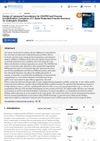
 This study reported that a novel cationic liposome formulation for delivering encapsulated Cas9 protein and sgRNA successfully decreased SRD5α2 mRNA expression by 29.7% in vitro, suggesting a potential alternative treatment option for conditions like prostate cancer and benign prostatic hyperplasia without current drug side effects.
8 citations
,
July 2023 in “Frontiers in Pharmacology” This review highlights cepharanthine as a promising candidate for COVID-19 treatment due to its antiviral activity against SARS-CoV-2 and favorable pharmacokinetic and safety profile, but reports no new clinical results.
33 citations
,
May 2017 in “Journal of Clinical Oncology” This phase I study reported that ETC-159, targeting Wnt signalling, showed tolerable safety profiles at doses that inhibit its pathway, though bone turnover markers increased, warranting early and regular monitoring. No tumor responses were observed, but two patients achieved stable disease for several cycles.
1 citations
,
November 2014 in “Thérapie” This article suggests using nicotinamide and minoxidil as potassium channel activators to target solid tumors, but reports no new clinical results and calls for further research.
 1 citations
,
February 2022 in “The Journal of Urology”
1 citations
,
February 2022 in “The Journal of Urology” This article discusses the potential mechanism by which 5α-reductase inhibitors might offer protection against SARS-CoV-2, emphasizing possible roles of dehydroepiandrosterone and its impact on nitric oxide bioavailability, but reports no new experimental results.
 48 citations
,
July 1996 in “Human & Experimental Toxicology”
48 citations
,
July 1996 in “Human & Experimental Toxicology” Human enzymes can detoxify harmful substances but might also increase their cancer risk.
 December 2024 in “International Journal of Drug Delivery Technology”
 This study reports that a novel Nano-Structured Lipid Carrier system for delivering dutasteride may enhance its anticancer effects while reducing systemic side effects in clinical settings.
2 citations
,
October 2024 in “Artificial Cells Nanomedicine and Biotechnology” This study found that silver nanoparticles synthesized using Lens culinaris extract exhibited potent anticancer activity against MCF-7, HCT-116, and HepG2 cell lines and significant antimicrobial effects against Klebsiella pneumoniae and Acinetobacter baumannii.