3 citations
,
October 2025 in “Journal of Materials Science Materials in Medicine” This review discusses various biomedical applications of hyaluronic acid, highlighting its roles in cancer treatment, wound healing, inflammation control, antibiotics, and antioxidant functions, with an emphasis on recent developments and potential for advanced drug delivery and tissue repair systems.
15 citations
,
November 2012 in “Archives of Ophthalmology” This description of dystrophy hypotrichosis associated with juvenile macular dystrophy provides an overview of this rare disorder characterized by short hair from birth and progressive loss of central vision but reports no new findings.
 August 2016 in “The journal of investigative dermatology/Journal of investigative dermatology”
 This article discusses how activating the hexosamine pathway may enhance skin homeostasis by increasing hyaluronic acid secretion and supporting hair follicle stem cell self-renewal, but reports no new results.
7 citations
,
July 2023 in “International Journal of Molecular Sciences” In this study, human nucleus pulposus cells treated with hyaluronic acid showed increased proliferation and reduced oxidative stress compared to those treated with EDTA-PBS, suggesting a potential role for hyaluronic acid in enhancing intervertebral disc therapy.
 10 citations
,
January 2013 in “Stem Cells and Development”
10 citations
,
January 2013 in “Stem Cells and Development” This study suggests that dermal stem/progenitor cells can be enriched by intracellular granularity and display high proliferation and differentiation potential in vitro, distinguishing them from other fibroblasts and progenitors.
7 citations
,
February 2012 in “Journal of cutaneous pathology” This case report presents unique histopathological findings in skin lesions of hereditary mucoepithelial dysplasia that have not been previously documented.
1 citations
,
November 2023 in “Journal of Investigative Dermatology” Farudodstat may effectively treat alopecia areata without harming hair follicles.
 6 citations
,
December 2021 in “Scientific Reports”
6 citations
,
December 2021 in “Scientific Reports” This study found that inhibiting class I histone deacetylases in postnatal mouse dermal cells preserved their ability to induce hair follicles during culture by increasing specific gene expressions and activating the Wnt signaling pathway.
 1 citations
,
October 2023 in “JEADV. Journal of the European Academy of Dermatology and Venereology/Journal of the European Academy of Dermatology and Venereology”
1 citations
,
October 2023 in “JEADV. Journal of the European Academy of Dermatology and Venereology/Journal of the European Academy of Dermatology and Venereology” This case report describes a patient developing hidradenitis suppurativa-like lesions after undergoing gamma secretase complex inhibitor therapy for desmoid tumours, illustrating potential skin toxicity linked to the treatment.
 4 citations
,
August 2021 in “Annals of Translational Medicine”
4 citations
,
August 2021 in “Annals of Translational Medicine” In this study, dihydroartemisinin reduced prostate enlargement and related markers in a rat model of benign prostatic hyperplasia, suggesting its potential as a therapeutic agent.
13 citations
,
January 1997 in “Biochemical Pharmacology” This study found that human liver dehydroepiandrosterone sulfotransferase (DHEA ST) catalyzes the sulfate conjugation of minoxidil, indicating another pathway contributing to its metabolism in humans.
September 2025 in “JID Innovations” This study suggests that macrophages, particularly CD206+ macrophages, play a crucial role in squaric acid dibutylester-induced hair growth in alopecia areata treatment.
 1 citations
,
March 2004 in “Journal of the American Academy of Dermatology”
1 citations
,
March 2004 in “Journal of the American Academy of Dermatology” This study reports a strong association between the MICA locus, specifically the MICA∗3-DR∗6-DQ6 haplotype, and Alopecia Areata in families.
 70 citations
,
March 2010 in “The Journal of Steroid Biochemistry and Molecular Biology”
70 citations
,
March 2010 in “The Journal of Steroid Biochemistry and Molecular Biology” This study discusses the potential of targeting 11β-HSD1 for treating metabolic syndrome and highlights emerging promising data from human trials on selective 11β-HSD1 inhibitors.
August 2025 in “American Journal of Case Reports” In this case report, researchers describe a 13-year-old phenotypic female with 46,XY karyotype, previously misdiagnosed with androgen insensitivity syndrome, who was later identified to have 17-beta-hydroxysteroid dehydrogenase type 3 deficiency, underscoring the importance of genetic and hormonal tests for accurate diagnosis of sex development disorders.
 184 citations
,
November 2014 in “Developmental Cell”
184 citations
,
November 2014 in “Developmental Cell” This study identifies a bipotent stem cell in adult hair follicles that self-renews and contributes to dermal sheath and papilla cell populations, potentially aiding hair regrowth after injury, disease, or aging.

This study examined hair mineral and free amino acid components in various diseases and found that when using effect size analysis, specific components related to diabetes and other conditions were identified, suggesting their potential as novel health indicators.
 3 citations
,
January 2017 in “Yonsei Medical Journal”
3 citations
,
January 2017 in “Yonsei Medical Journal” This study found that inhibiting 11β-HSD1 can partially reverse the negative impact of glucocorticoids on dermal papilla cells in human scalps, suggesting potential for treating stress-related hair loss.
 2 citations
,
June 2012 in “Journal of Dermatological Science”
2 citations
,
June 2012 in “Journal of Dermatological Science” This study found that histidine decarboxylase is crucial for the hair-inducing ability of newborn mouse dermal cells, with its expression significantly decreasing in the first few days after birth.
 April 2021 in “Journal of Investigative Dermatology”
 This trial found that intradermal injections of the Hair Stimulating Complex were well-tolerated and effectively stimulated hair growth and prevented hair loss in male pattern baldness participants over 18 weeks.
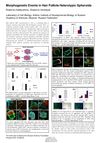
This study found that hyaluronic acid increased the size of hair follicle germ-like aggregates and the number of proliferative cells but did not maintain specific markers during the process.
May 2009 in “Faculty Opinions – Post-Publication Peer Review of the Biomedical Literature” DHEA therapy improved pubic hair growth and psychological well-being in young females with adrenal insufficiency.
2 citations
,
January 2012 in “Australian and New Zealand journal of psychiatry” Haloperidol decanoate can cause alopecia areata.
April 2020 in “The journal of investigative dermatology/Journal of investigative dermatology” This source reports that a study by Liu et al. analyzed genetic factors influencing adalimumab response in hidradenitis suppurativa, finding a specific genetic variant (SNP rs59532114) associated with an inadequate response to the treatment due to increased abscess and inflammatory nodule counts.
 30 citations
,
June 2014 in “Seminars in Immunology”
30 citations
,
June 2014 in “Seminars in Immunology” This review discusses recent advances in understanding the Eda pathway's role in developmental biology, and highlights ongoing trials and areas for further research, including Eda's potential involvement in cell processes and disease.
January 2018 in “bioRxiv (Cold Spring Harbor Laboratory)” This study found that the mutant hairless rhino bald protein in mice interacts with the vitamin D receptor but cannot repress its transactivation and shows abnormal cellular localization.
 August 2026 in “Pharmaceutics”
 In this study, researchers developed a dexpanthenol-infused nanotechnological platform within hyaluronic acid hydrogels that promoted wound healing in mice by providing a protective barrier and significantly enhancing skin regeneration, including increased fibroblast activity and tissue remodeling.
April 2019 in “Journal of the Endocrine Society” This report describes an exceptionally rare adrenal neoplasm in a post-menopausal woman that exclusively secreted DHEA-S, with significant serum level reduction following adrenalectomy.
This study suggests that individuals with severe sickle cell disease, indicated by higher hemoglobin S and ferritin levels, may have lower cortisol levels as shown by reduced hair cortisol content.
In this chapter, the authors explore hyperdiluted CaHA as a new potential treatment for mild to moderate hair loss, providing preliminary insights into its application as an innovative option within regenerative therapies.