 October 2023 in “IBRO neuroscience reports”
 Rat hair follicle stem cells have functional oxytocin receptors, useful for studying neuropsychiatric disorders.
4 citations
,
April 2024 in “Journal of Drugs in Dermatology” In this case report, a severe case of pediatric alopecia areata was treated with topical ruxolitinib, a Janus kinase inhibitor, highlighting the limited but promising evidence for this treatment in children.
28 citations
,
August 2013 in “Hypertension” The authors concluded that diazoxide reduces undesirable side effects compared to minoxidil while increasing elastic fiber content and decreasing cell number in the aorta, suggesting potential suitability for treating vascular conditions with low arterial elastin and hypertension.
23 citations
,
March 2014 in “International Journal of Molecular Sciences” The study observed that testosterone reduced knee range of motion in ovariectomized female rats, potentially by downregulating specific relaxin receptor isoforms, with its effects mediated via dihydro-testosterone.
4 citations
,
September 2016 in “World Rabbit Science” This study observed that gene expression differences in Rex rabbits with varying wool densities suggest the involvement of specific genes and signaling pathways, including Shh and Eph, in hair follicle development.
3 citations
,
March 2025 in “Arthritis Research & Therapy” This study found that combining high-density fat grafting with botulinum toxin A significantly improved symptoms of Raynaud’s phenomenon, including reducing pain and cold sensitivity, speeding up ulcer healing, and enhancing blood perfusion, compared to fat grafting alone.
 April 2017 in “Journal of Investigative Dermatology”
 In this study, deep phenotyping of 68 patients with XPD gene defects successfully separated individuals by clinical diagnosis and survival status, potentially improving diagnosis and prognosis for xeroderma pigmentosum and trichothiodystrophy.
March 2003 in “Rosa P: A digital library for transportation research (United States Department of Transportation)” This article presents a toolkit created by the FTA to help transit agencies manage employees' use of medications that could impact public safety, but it reports no new results.
This report describes a 7-year-old girl with monilethrix who showed significant improvement while on acitretin treatment, but symptoms returned after stopping the medication.
August 2003 in “Oncology Times” This article discusses the considerations and challenges surrounding a proposed large-scale trial on testosterone-replacement therapy in older men and reports no new results.
15 citations
,
March 2000 in “The journal of investigative dermatology/Journal of investigative dermatology” This study found that vitamin D receptor expression is associated with proliferating keratinocytes, while retinoid X receptor α is linked to differentiating keratinocytes, suggesting differential targeting by vitamin D metabolites.
56 citations
,
July 2014 in “PloS one” This study found that selective androgen receptor modulators (SARMs) significantly inhibited tumor growth and metastasis-promoting factors in AR-positive triple-negative breast cancer models.
30 citations
,
March 2007 in “Expert opinion on drug safety” This review discusses recommendations for managing cetuximab-induced rash in metastatic colorectal cancer treatment and highlights the lack of standardized treatment plans based on clinical evidence.
 June 2013 in “Annals of the rheumatic diseases”
 This study concluded that while methotrexate-related adverse events were infrequent in early rheumatoid arthritis patients taking adalimumab, some increased with higher methotrexate doses, suggesting use of the lowest effective dose.
 35 citations
,
May 2008 in “Journal of Clinical Oncology”
35 citations
,
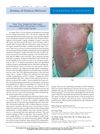
May 2008 in “Journal of Clinical Oncology” A cancer patient died from a severe skin reaction after taking the drug cetuximab.
 1 citations
,
September 2023 in “AACE clinical case reports”
1 citations
,
September 2023 in “AACE clinical case reports” This case report describes two transgender men using subdermal testosterone pellets for gender affirmation, finding they tolerated the treatment, but one returned to injections; firm conclusions on pellets' suitability require further study.
 14 citations
,
January 2017 in “Annals of Dermatology”
14 citations
,
January 2017 in “Annals of Dermatology” In this retrospective study, low-dose methotrexate was observed to be effective and well-tolerated in treating recalcitrant alopecia areata multiplex, achieving complete or near-complete hair regrowth in about 90% of patients despite some experiencing elevated liver enzymes and gastrointestinal discomfort.
April 2026 in “Future Medicinal Chemistry” This article discusses the impact of PROTACs technology in transforming drug discovery with its novel degradation mechanism, but it reports no new experimental findings.
In this study of mouse hair follicles, Raptor was specifically expressed in hair follicle stem cells, while Rictor was mainly found in inner root sheath cells, indicating distinct roles in hair growth stages.
 April 2023 in “The journal of investigative dermatology/Journal of investigative dermatology”
 This study found that local PGE2 injection may prevent radiotherapy-induced hair loss by protecting hair follicle cells and promoting hair follicle self-repair.
2 citations
,
May 2020 in “JAAD case reports” This review discusses the potential role of JAK inhibitors, like ruxolitinib, as emerging therapeutic agents in dermatology, but reports no new clinical results.
 81 citations
,
February 2000 in “Anti-cancer drugs”
81 citations
,
February 2000 in “Anti-cancer drugs” In this pilot study, Doxil at 60 mg/m² every 4 weeks showed activity against hormone-refractory prostate cancer but was limited by severe mucocutaneous toxicities.
This study found that combining intralesional PTX and corticosteroids may enhance treatment outcomes for alopecia areata, with PTX showing better long-term effects compared to corticosteroids alone.
7 citations
,
September 2024 in “The Journal of Dermatology” This study evaluated the effectiveness and safety of ritlecitinib in patients aged 12 or older with alopecia totalis or universalis, finding higher hair regrowth response rates compared to placebo at 24 weeks, with continued improvement and acceptable safety through 48 weeks.
November 2023 in “SKIN The Journal of Cutaneous Medicine” This study assessed ritlecitinib's effects on sustained hair regrowth in patients with alopecia areata who showed improvement at 24 weeks, confirming ongoing benefits through 48 weeks for scalp, eyebrow, and eyelash hair regrowth in this post hoc analysis.
83 citations
,
August 2018 in “BJOG” This commentary discusses the feasibility and challenges of uterine transplantation for transgender women, emphasizing anatomical, hormonal, and ethical considerations without reporting new clinical results.
52 citations
,
July 2011 in “PubMed” This review discusses the diverse roles of the TRPS1 gene in regulating cartilage, kidney, and hair follicle development, highlighting its functions and interactions, but provides no new experimental results.
 9 citations
,
March 2024 in “Journal of Biomaterials Applications”
9 citations
,
March 2024 in “Journal of Biomaterials Applications” This study developed dissolving microneedles using specific polymers for transdermal delivery of rizatriptan benzoate, demonstrating improved drug skin penetration and significant alleviation of migraine symptoms in vivo compared to passive diffusion, suggesting potential advantages over conventional treatment methods for acute migraine.
 3 citations
,
February 2016 in “Pediatric dermatology”
3 citations
,
February 2016 in “Pediatric dermatology” This report describes two cases of Rapp–Hodgkin ectodermal dysplasia where refractory scalp erosions improved significantly with potent topical steroids; it also suggests a potential link between these scalp conditions and erosive pustular dermatosis of the scalp in elderly patients.
July 2024 in “Journal of Investigative Dermatology” ATR12-351 ointment safely delivers LEKTI protein to the skin, reducing enzyme activity in Netherton syndrome.