 February 2025 in “International Journal of Molecular Sciences”
 In this study using a mouse model, RIPK1 inhibitors were found to delay the onset of alopecia areata, reduce immune cell numbers in affected skin, and increase hair length, indicating a potential therapeutic role in preventing alopecia areata.
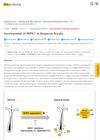
In this mouse model study, researchers observed that RIPK1 inhibitors delayed the onset of alopecia areata by modulating immune cells, specifically dendritic and CD8+ T cells, and increased hair length in organ culture mimicking the condition.
September 2019 in “The journal of investigative dermatology/Journal of investigative dermatology” This study identifies two previously unreported pathogenic RIPK4 gene variants, suggesting a functional link with cell adhesion molecules in ectodermal dysplasias.
 12 citations
,
October 2020 in “Scientific Reports”
12 citations
,
October 2020 in “Scientific Reports” In this study, Nec-1s was found to promote hair growth and may target necroptosis and the Wnt/β-catenin pathway for potential treatment of hair loss.
July 2025 in “Journal of Investigative Dermatology” Resident memory T cells and necroptosis may drive fibrosis in eosinophilic fasciitis and morphea.
July 2024 in “Journal of Investigative Dermatology” In this study, baicalin, a component of Baikal skullcap, was found to inhibit necroptosis in a cellular model of toxic epidermal necrolysis, suggesting it may be effective against severe drug-induced skin eruptions.
9 citations
,
January 2023 in “Journal of the European Academy of Dermatology and Venereology” This study suggests that genetic overlap between alopecia areata and major depressive disorder may be limited to the MHC region, highlighting the need for further research.
June 2026 in “Experimental Dermatology” This study found no strong genetic link between hair color and alopecia areata risk, although a weak inverse association with blond hair was suggested, noting the results are exploratory and require further investigation with larger cohorts.
 April 2026 in “Frontiers in Immunology”
 In this study, researchers did not find any genome-wide significant genetic signals linked to comorbid chronic inflammatory disorders in patients with alopecia areata, but exploratory analysis suggested potential associations worth further study.

In a human genetic study on hidradenitis suppurativa, researchers identified 12 genetic risk loci and found that CXCR4-CD74 signaling may play a key role in hair follicle inflammation, suggesting CXCR4 blockade as a potential therapeutic approach for this condition.
 5 citations
,
May 2020 in “Life science alliance”
5 citations
,
May 2020 in “Life science alliance” This study found that epidermal-specific deletion of integrin α3β1 significantly reduces papilloma formation in a skin carcinogenesis model by modulating HB stem cell behavior and CCN2 expression.
76 citations
,
January 1998 in “Mammalian Genome”  59 citations
,
July 2015 in “Journal of Immunology”
59 citations
,
July 2015 in “Journal of Immunology” This study found that disrupting inflammasome signaling by eliminating caspase-1 and -11 in mice reduced skin inflammation and delayed the onset of disease, highlighting their role in skin disease pathogenesis.
 8 citations
,
June 2024 in “APOPTOSIS”
8 citations
,
June 2024 in “APOPTOSIS” In this review, researchers discussed recent insights into caspases, enzymes initially associated with cell death and inflammation, revealing their broader roles in cell proliferation, migration, and differentiation, and highlighting the importance of caspase knock-out mice for understanding their implications in diseases.
 December 2015 in “Vascular Pharmacology”
 Different cells affect hair follicle blood vessels, endothelial cells react differently to inflammation and oxidized fats, and prasugrel better protects heart vessels during a procedure than clopidogrel.
 December 2015 in “Vascular Pharmacology”
 Prasugrel is better than clopidogrel at preventing heart damage and improving blood flow in small heart vessels during heart artery procedures.
 610 citations
,
April 2014 in “Nature Reviews Immunology”
610 citations
,
April 2014 in “Nature Reviews Immunology” This review discusses the complex mechanisms regulating skin immunity to balance host defense with inflammation, but reports no new findings.
 273 citations
,
May 2017 in “The Lancet”
273 citations
,
May 2017 in “The Lancet” This review discusses the diagnosis and management of severe cutaneous adverse reactions to drugs and provides guidance for physicians to improve patient outcomes, but it reports no new clinical results.
 25 citations
,
June 2018 in “Journal of The American Academy of Dermatology”
25 citations
,
June 2018 in “Journal of The American Academy of Dermatology” This study identified upregulation of genes linked to fibroproliferative disorders, such as platelet-derived growth factor and collagen genes, in patients with central centrifugal cicatricial alopecia, suggesting potential therapeutic targets.
 18 citations
,
March 2024 in “Frontiers in Pharmacology”
18 citations
,
March 2024 in “Frontiers in Pharmacology” This review highlights that the NLRP3 inflammasome is a promising therapeutic target for cerebral ischemia-reperfusion injury and discusses recent advancements in using natural plant products to modulate this pathway and reduce inflammation.
 18 citations
,
November 2020 in “Frontiers in Cell and Developmental Biology”
18 citations
,
November 2020 in “Frontiers in Cell and Developmental Biology” This review discusses how inflammation influences hair follicle stem cell activities like wound healing and follicle cycling and suggests a potential link between inflammation, stem cell activation, and programmed cell death.
 13 citations
,
December 2024 in “Cellular and Molecular Life Sciences”
13 citations
,
December 2024 in “Cellular and Molecular Life Sciences” This study reviews recent advancements in understanding caspases, highlighting their roles beyond apoptosis in cancer, inflammation, and neurological disorders, and discusses the potential and challenges of targeting caspases for therapeutic purposes.
 9 citations
,
August 2024 in “Tissue Engineering and Regenerative Medicine”
9 citations
,
August 2024 in “Tissue Engineering and Regenerative Medicine” In this study, researchers suggest that strategic early intervention during fetal wound healing could lead to significantly improved long-term skin regeneration outcomes.
 2 citations
,
March 2020 in “bioRxiv (Cold Spring Harbor Laboratory)”
2 citations
,
March 2020 in “bioRxiv (Cold Spring Harbor Laboratory)” This study suggests that maternal hyperandrogenism and insulin resistance may induce ferroptosis in the gravid uterus and placenta in rats, but through distinct molecular mechanisms.
 April 2024 in “Cell death and differentiation”
 This study discusses how different modes of regulated cell death in keratinocytes affect skin stem cell niches, and their role in skin inflammation, injury repair, and cancer, based on findings from human dermatological conditions and experimental mouse models.
 August 2023 in “Scientific reports”
 In this study, researchers differentiated human induced pluripotent stem cells into dermal papilla-like cells and observed gene expression dynamics during five stages of dermal differentiation, demonstrating the potential of these cells to interact with epidermal cells in functional assays.
 1415 citations
,
October 2007 in “European Journal of Epidemiology”
1415 citations
,
October 2007 in “European Journal of Epidemiology” This article reviews the objectives and design of the Rotterdam Study and summarizes key findings across its focus on various diseases, without reporting new experimental results.
 321 citations
,
March 2015 in “Nature”
321 citations
,
March 2015 in “Nature” This study found that super-enhancers are essential for hair follicle stem cell identity, lineage commitment, and plasticity in mice, with SOX9 being a key regulator of these chromatin dynamics.
 290 citations
,
December 2017 in “Journal of The American Academy of Dermatology”
290 citations
,
December 2017 in “Journal of The American Academy of Dermatology” This article reviews the epidemiology, clinical evaluation, and pathogenesis of alopecia areata and highlights recent advancements, but it does not report new clinical findings.
 278 citations
,
March 2013 in “Gut”
278 citations
,
March 2013 in “Gut” In this study, nearly 5% of anti-TNF-treated patients with IBD developed psoriasiform skin lesions, with smoking identified as a main risk factor, and ustekinumab proved highly effective in severe cases.