 April 2023 in “Journal of Investigative Dermatology”
 In this study, the KPAI and KP-IGA scoring systems for assessing keratosis pilaris showed excellent interrater and intrarater reliability, offering standardized measures for clinical and research use.
 March 2026 in “International Journal of Homoeopathic Sciences”
 In this study, 10.25% of school children aged 5-15 in Belagavi were found to have premature greying of hair, with the majority showing mild severity according to the Graying Severity Score.
April 2022 in “Microbiology and Immunology” This study suggests that a specific short sequence repeat in Malassezia restricta may be linked to increased colonization and the development or exacerbation of androgenetic alopecia.
 4 citations
,
November 2021 in “Journal of Cosmetic Dermatology”
4 citations
,
November 2021 in “Journal of Cosmetic Dermatology” The researchers reported that QR678 Neo® combined with intralesional steroids significantly improved hair regrowth and patient satisfaction in treating alopecia areata compared to steroids alone.
July 2026 in “Clinical Cosmetic and Investigational Dermatology” This study found that combining CGF with IPL treatment significantly improved skin conditions and quality of life for patients with facial sensitive skin compared to IPL alone, with enhanced wrinkle reduction, skin barrier function, and decreased adverse reactions reported.
 2 citations
,
April 2012 in “Science-business Exchange”
2 citations
,
April 2012 in “Science-business Exchange” Blocking a protein called prostaglandin D2 might help treat hair loss.
6 citations
,
August 2024 in “The Laryngoscope” In this study, serial platelet-rich plasma injections improved voice quality and mucosal wave ratings in patients with vocal fold scar, with patient-reported outcomes showing a consistent positive trend.
 April 2024 in “The Journal of urology/The journal of urology”
 In this study, researchers found that methylation of the SRD5A2 gene in blood and tissue samples can serve as a biomarker to predict men's clinical response to finasteride treatment for benign prostatic hyperplasia, offering a non-invasive method for assessing potential treatment success.
15 citations
,
March 2021 in “EMBO Reports” PRSS35 enzyme may help start skin tumors and could be a target for cancer treatment.
11 citations
,
March 2024 in “Current Issues in Molecular Biology” This review discusses the pharmacological actions and potential therapeutic benefits of ginsenoside compound K for metabolic disorders, reports no new clinical results, and suggests further research on its bioavailability and toxicity.
2 citations
,
April 2025 in “Plants” This study found that lambertianic acid from Platycladus orientalis leaves may protect against dexamethasone-induced skeletal muscle atrophy by reducing atrophy-related proteins without affecting cell viability.
1 citations
,
February 2024 in “Preprints.org” This review discusses the pharmacology and potential therapeutic effects of rare ginsenoside compound K on metabolic disorders but presents no new clinical results, highlighting the need for further studies on its bioavailability and toxicity.
 1 citations
,
February 2023 in “Drug Design Development and Therapy”
1 citations
,
February 2023 in “Drug Design Development and Therapy” This review discusses the dermatological effects and potential mechanisms of plant adaptogens, emphasizing their role in skin health and aging without presenting new experimental results.
July 2025 in “Food Safety and Health” This study used metabolomics to identify distinctive metabolic and phenolic profiles in American ginseng (Panax quinquefolius) from various regions, revealing specific biomarkers that can help differentiate between ginseng from Northeast China, Shandong, and the United States.
 February 2023 in “Journal of Ginseng Research/Journal of ginseng research”
 This review discusses the formation of gintonin LPAs in ginseng during processing and reports no new clinical results; the authors suggest potential benefits against degenerative diseases through LPA receptors.
23 citations
,
March 2019 in “Gene” In this study, researchers found that the evolutionary and structural features of the oFGF5 gene in sheep may influence hair follicle development and hair growth regulation.
3 citations
,
July 2023 in “Cells” This study found that topical application of recombinant human MG53 protein mitigated nitrogen mustard-induced skin injuries in mice by preserving epidermal integrity and hair follicle structure.
1 citations
,
April 2015 in “InTech eBooks” RAGE is a potential target for melanoma treatment, but its effectiveness is uncertain due to variable expression levels.
 November 2025 in “PARIPEX-INDIAN JOURNAL OF RESEARCH”
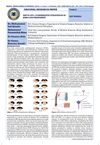
 GFC is more effective than PRP for treating hair loss.
14 citations
,
October 2017 in “Gene Expression Patterns” This study generated a Dct-H2BGFP mouse model that allows for effective identification and isolation of melanocytic cells in vivo, facilitating research into their molecular and biological properties.
 September 2017 in “Journal of Investigative Dermatology Symposium Proceedings”
 This study found that prostaglandin D2 increases testosterone production in human keratinocytes through a mechanism involving ROS and REDOX potential, which could inform treatments for androgenic alopecia.
November 2022 in “bioRxiv (Cold Spring Harbor Laboratory)” This study found that prostaglandin E2 pretreatment may reduce radiotherapy-induced alopecia by enhancing hair follicle self-repair through transient G1 arrest, suggesting a potential preventive treatment.
January 2018 in “International Educational Applied Scientific Research Journal” This study observed an increase in hair thickness and reduced hair loss in patients with androgenetic alopecia after treatment with autologous cellular suspension using the Rigenera® system, though further research is needed.
 February 2026 in “Journal of Nanobiotechnology”
 This study reports that a new ROS-responsive hydrogel platform delivering miR-665 effectively reduced inflammation and promoted hair follicle regeneration in AA, suggesting a promising treatment approach.
 4 citations
,
April 2020 in “Dermatology practical & conceptual”
4 citations
,
April 2020 in “Dermatology practical & conceptual” This review outlines the practical use of reflectance confocal microscopy in dermatology, detailing its applications and considerations for diagnosing various skin conditions, but reports no new findings.
 April 2025 in “Dermatology Practical & Conceptual”
 In this study, researchers observed that individuals with premature graying of hair had significantly higher LC3 gene expression compared to controls, suggesting a potential link between autophagy and the development of this condition, with LC3 gene expression as a possible independent predictor.
January 2023 in “Journal of Plastic Surgery and Hand Surgery” This study observed that both autogenic and xenogenic PRP improved graft viability in rabbits compared to control, with autogenic PRP showing better histopathological results.
 10 citations
,
May 2007 in “Oncology Reports”
10 citations
,
May 2007 in “Oncology Reports” This study found that increased metastatic ability in colorectal cancer in a rat model was linked to changes in expression of multiple genes, including TGF-beta, PDGFb, and Rho B.
 January 2019 in “Springer eBooks”
 Micrografts are useful for healing wounds, regenerating bone and periodontal tissues, and improving hair transplantation outcomes.
 22 citations
,
October 2001 in “Biochemical Pharmacology”
22 citations
,
October 2001 in “Biochemical Pharmacology” This study found that GI198745 acts as a time-dependent inhibitor of rat 5α-reductase type 2 but a rapid-equilibrium inhibitor of type 1, potentially making it more effective than finasteride in preventing rat prostate growth.