 1 citations
,
June 2023 in “Advances in therapy”
1 citations
,
June 2023 in “Advances in therapy” In a real-world registry study, ripretinib showed effectiveness with a median progression-free survival of 7.70 months and a tolerable safety profile in Chinese patients using it as a fourth-line treatment for advanced GIST, particularly benefiting those with non-gastric tumors.
 10 citations
,
September 1997 in “Molecular carcinogenesis”
10 citations
,
September 1997 in “Molecular carcinogenesis” This study found that mirex and TPA promote papilloma formation in CD-1 mouse skin through distinct populations of mutant Ha-ras cells, resulting in additive tumor yields.
 23 citations
,
June 2003 in “Journal of Investigative Dermatology Symposium Proceedings”
23 citations
,
June 2003 in “Journal of Investigative Dermatology Symposium Proceedings” This review discusses rodent models of alopecia areata and suggests they are crucial for understanding the autoimmune mechanisms and potential treatments but reports no new clinical results.
 26 citations
,
December 2020 in “Nature metabolism”
26 citations
,
December 2020 in “Nature metabolism” Martin-Perez et al. show that rapamycin's beneficial effects in a mouse model of Leigh syndrome are linked to the downregulation of protein kinase C.
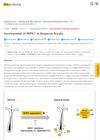
In this mouse model study, researchers observed that RIPK1 inhibitors delayed the onset of alopecia areata by modulating immune cells, specifically dendritic and CD8+ T cells, and increased hair length in organ culture mimicking the condition.
 6 citations
,
November 2017 in “Scientific reports”
6 citations
,
November 2017 in “Scientific reports” This study found that a novel R343H mutation in the vitamin D receptor gene impairs its transcription activity, contributing to hereditary vitamin D-resistant rickets and alopecia in the affected family.
January 2012 in “Hacettepe University Institutional Repository (hacettepe.edu.tr)” This study found that using a contrast agent in Microbeam Radiation Therapy simulations increased the target dose but concluded that using a linear accelerator as an X-ray source did not preserve MRT advantages.
November 2025 in “Indian Journal of Dermatology” This study reports a rare cluster of four patients with ectodermal dysplasia, highlighting its typical dental and dermatological manifestations and the necessity of multidisciplinary management.
January 2012 in “Journal of Investigative Dermatology” 44 citations
,
May 1998 in “PubMed” In this study, a specific retinoic acid receptor antagonist caused severe craniofacial anomalies in mouse fetuses when administered early in pregnancy, but not limb anomalies, highlighting developmental stage-specific roles of retinoic acid.
 November 1971 in “Bulletin of Experimental Biology and Medicine”
 The location of a skin injury affects how well a rat's skin can heal.
84 citations
,
September 2008 in “Developmental biology” This study found that cellular retinoic acid-binding proteins and fatty acid-binding proteins are dynamically expressed in skin development and respond differently to retinoic acid, β-catenin, and Notch signaling.
 3 citations
,
July 2018 in “Elsevier eBooks”
3 citations
,
July 2018 in “Elsevier eBooks” This case report describes an elderly man with erosive pustular dermatosis of the scalp, who improved with potent topical corticosteroids followed by maintenance with topical tacrolimus.
 5 citations
,
March 2019 in “Journal of lipid research”
5 citations
,
March 2019 in “Journal of lipid research” This study reports new fluorogenic ceramidase substrates and highlights RBM14C24:1 as an efficient substrate for neutral ceramidase, while RBM15C18:1 is the best probe for measuring ACER1 and ACER2 activities, potentially aiding high-throughput screening for ceramidase inhibitors.
2 citations
,
April 2019 in “DOAJ (DOAJ: Directory of Open Access Journals)” This study found that lotion containing ethanolic extract of Phyllanthus niruri and 1% menthol enhanced hair growth in white Wistar rats more than a formula without menthol, although not significantly.
 July 2025 in “bioRxiv (Cold Spring Harbor Laboratory)”
 This study developed a potent Wnt surrogate with high specificity for the Fzd7 receptor in mice, promoting full hair follicle regeneration and robust hair growth, suggesting potential applications in tissue development and targeted regeneration.
May 2019 in “Journal of Drug Delivery and Therapeutics” In this study, a petroleum ether extract of Hemidesmus indicus seeds demonstrated hair growth-promoting effects in animal models, comparable to 2% minoxidil, by increasing the transition of hair follicles from telogen to anagen phase.
42 citations
,
September 2003 in “Journal of Investigative Dermatology” A missing mK6irs1 gene causes hair loss in mice.
This study found that rare coding variants have a minimal contribution to male-pattern hair loss but identified significant associations with 125 genes, suggesting potential novel candidate genes.
 1 citations
,
January 2013 in “MedChemComm”
1 citations
,
January 2013 in “MedChemComm” This study characterized the SARM PF-05314882, finding it demonstrates anabolic activity in rats with minimal effects on the prostate, seminal vesicles, and luteinizing hormone levels.
 6 citations
,
April 2023 in “Frontiers in plant science”
6 citations
,
April 2023 in “Frontiers in plant science” In this study, NREs from lentil root nodules, specifically Serratia plymuthica 33GS and Serratia sp. R6, significantly enhanced lentil growth, altered root exudation, and modulated rhizospheric microbial communities in a greenhouse setting.
 February 2016 in “The journal of investigative dermatology/Journal of investigative dermatology”
 This quiz presents educational questions about alopecia areata, including its diagnosis and underlying mechanisms, but reports no new clinical outcomes.
 4 citations
,
November 2021 in “Journal of Cosmetic Dermatology”
4 citations
,
November 2021 in “Journal of Cosmetic Dermatology” The researchers reported that QR678 Neo® combined with intralesional steroids significantly improved hair regrowth and patient satisfaction in treating alopecia areata compared to steroids alone.
 28 citations
,
May 2019 in “Life Sciences”
28 citations
,
May 2019 in “Life Sciences” This study found that ginsenoside Rb1 promoted the growth of mink hair follicles and dermal papilla cells, potentially through activating the PI3K/AKT/GSK-3β signaling pathway.
February 2026 in “Toxicology Letters” This study used an in silico/in vitro approach to identify potential inhibitors of the enzyme SRD5A2, finding that the androgen receptor modulator MK-0773 is a moderate inhibitor, although it does not act as a covalent inhibitor like finasteride.
 January 1997 in “Medical Journal Armed Forces India”
 This study found that RADA-PRG hydrogels enhanced skin-derived precursor cell proliferation and improved hair follicle neogenesis in mice, suggesting potential use as a scaffold material in tissue engineering.
March 2026 in “Journal of Clinical Oncology” In this study, pre-treatment with 5-α-reductase inhibitors (finasteride/dutasteride) in patients with metastatic renal cell carcinoma was associated with better immune checkpoint inhibitor effectiveness and improved progression-free and overall survival, without increasing severe side effects.
10 citations
,
March 2023 in “Journal of Chemistry” This study identified ten novel compounds that may effectively target steroid 5 alpha-reductase 2 (5αR-2) for potential treatment of benign prostate hyperplasia, exhibiting comparable binding energies to existing drugs like finasteride and dutasteride.
 2 citations
,
November 2018 in “Indian Journal of Pharmaceutical Education”
2 citations
,
November 2018 in “Indian Journal of Pharmaceutical Education” This study designed a novel model for 5a-reductase enzyme inhibitors using pharmacophore and 3D QSAR techniques, potentially allowing for improved prediction and development of drug therapies targeting benign prostatic hyperplasia.
36 citations
,
April 2005 in “British journal of dermatology/British journal of dermatology, Supplement” In this study, modern radiation therapy techniques rapidly alleviated pain and improved symptoms in patients with severe dissecting cellulitis of the scalp, with no long-term toxicity observed.