In this study of mouse hair follicles, Raptor was specifically expressed in hair follicle stem cells, while Rictor was mainly found in inner root sheath cells, indicating distinct roles in hair growth stages.
53 citations
,
October 2011 in “Psychoneuroendocrinology” Finasteride may help improve certain brain function issues linked to dopamine.
6 citations
,
August 2024 in “Aesthetic Plastic Surgery” This study analyzed RSN complications in 18 hair transplantation patients and found that smoking, diabetes, and hypertension may increase risk, highlighting the need for prevention strategies and timely treatment.

This review discusses drug repositioning for cardiometabolic disorders and reports no new clinical findings; the authors emphasize its potential benefits, such as known safety profiles and reduced development costs compared to new drug development.
 31 citations
,
February 2014 in “Inflammation Research”
31 citations
,
February 2014 in “Inflammation Research” This study found that reduced expression of CD200R1 on monocyte-derived macrophages in rheumatoid arthritis patients was significantly associated with higher disease severity and an imbalance in Th17/Treg cells.
 12 citations
,
November 2011 in “International Journal of Dermatology”
12 citations
,
November 2011 in “International Journal of Dermatology” A woman developed a scalp condition from using minoxidil, which improved with a different treatment but left scarring.
 February 2023 in “Cosmoderma”
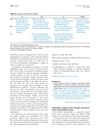
 This study found that combining red light therapy with oral beta-carotene significantly improved photoaging treatment outcomes compared to red light therapy alone, with Group A showing a 56.12% reduction in photoaging scores over 12 weeks versus 44.78% in Group B.
 21 citations
,
March 2015 in “Journal of The American Academy of Dermatology”
21 citations
,
March 2015 in “Journal of The American Academy of Dermatology” In this study, five out of six patients treated with vemurafenib for metastatic melanoma experienced hair loss, which improved after topical steroid treatment.
 April 2026 in “Zenodo (CERN European Organization for Nuclear Research)”
 This research presents the Dodatek A model, elaborating on androgen function through new mathematical indices and methodological improvements, shifting focus from serum hormone concentrations to system interactions to better describe androgen activity comprehensively.
 4 citations
,
January 2024 in “JEADV. Journal of the European Academy of Dermatology and Venereology/Journal of the European Academy of Dermatology and Venereology”
4 citations
,
January 2024 in “JEADV. Journal of the European Academy of Dermatology and Venereology/Journal of the European Academy of Dermatology and Venereology” This consensus statement outlines a treatment algorithm for alopecia areata, detailing systemic treatment indications and options, including EMA-approved medications baricitinib and ritlecitinib for severe cases, as well as other off-label treatments and adjuvant therapies like oral minoxidil.
 22 citations
,
October 2001 in “Biochemical Pharmacology”
22 citations
,
October 2001 in “Biochemical Pharmacology” This study found that GI198745 acts as a time-dependent inhibitor of rat 5α-reductase type 2 but a rapid-equilibrium inhibitor of type 1, potentially making it more effective than finasteride in preventing rat prostate growth.
 2 citations
,
August 2023 in “Development”
2 citations
,
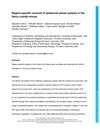
August 2023 in “Development” In this study, researchers explored how hair follicle orientation is affected in the rosette fancy mouse and found that a mutation in the PCP gene Fzd6 caused reversed hair orientations in the posterior region, leading to the formation of unique whorls.
January 2024 in “Pharmaceutical journal/The pharmaceutical journal” In this report, NICE has approved ritlecitinib, an oral kinase inhibitor, as the first recommended treatment for severe alopecia areata in individuals aged 12 and older.
 November 2022 in “The journal of investigative dermatology/Journal of investigative dermatology”
 This study used single-cell and spatial transcriptomic profiling to identify specific molecular markers in human follicular dermal papilla cells, enhancing understanding of their role in hair follicle development.
December 2025 in “Medical dosimetry” 7 citations
,
September 2014 in “Mass spectrometry letters” This study reported that a liquid-liquid extraction method using methyl tert-butyl ether and methylene chloride was most effective for extracting dutasteride and its internal standard from rat plasma.
 12 citations
,
December 1987 in “Cancer Chemotherapy and Pharmacology”
12 citations
,
December 1987 in “Cancer Chemotherapy and Pharmacology” Vitamin E in the diet might help protect against hair loss caused by the chemotherapy drug doxorubicin in rabbits.
January 2021 in “Deep Blue (University of Michigan)” This study found that LepRb neurons in the brain are important targets for androgen action and influence sex-specific differences in reproductive and metabolic regulation, implicating them in conditions such as polycystic ovary syndrome.
1 citations
,
November 2025 in “Aging Cell” This review discusses the role of the ectodysplasin A2 receptor as a biomarker and driver of ageing related to inflammation, and its potential therapeutic implications, but reports no new clinical findings.
43 citations
,
December 2006 in “The American journal of pathology” This study found that Edar signaling plays a role in regulating the hair cycle and apoptosis in hair follicle keratinocytes during the catagen phase in mice.
46 citations
,
December 2018 in “Biomedical Optics Express” In this study, researchers observed that Raman spectroscopy effectively differentiates basal cell carcinoma from normal skin structures by analyzing biochemical markers, suggesting its potential as a surgical guidance tool for cancer margin resection during Mohs surgery.
 1 citations
,
April 2024 in “Food Frontiers”
1 citations
,
April 2024 in “Food Frontiers” In this study involving mice, the researchers observed that circadian rhythm disorder can pass alopecia risk to male offspring, and parental Pu-erh tea consumption, particularly by females or both parents, mitigated this risk through various biological mechanisms.
 January 2024 in “Wiadomości Lekarskie”
 In this study, researchers developed a novel computational framework using deep reinforcement learning to identify strategies for cellular reprogramming in gene regulatory networks, showing its effectiveness in a model of immune response against infection.
March 2026 in “Journal of the American Academy of Dermatology” July 2024 in “Journal of Investigative Dermatology”  April 2017 in “The journal of investigative dermatology/Journal of investigative dermatology”
 In a guinea pig model of dermatophytosis, this study found that subcutaneous CD101, dosed once weekly, demonstrated significant clinical and mycological efficacy compared to the vehicle control and the oral antifungal terbinafine, suggesting potential for CD101 in treating fungal skin infections.
62 citations
,
January 2009 in “Biochemistry” This study found that both the natural ligand 1alpha,25(OH)(2)D(3) and the synthetic agonist LG190178 bind similarly to the vitamin D receptor's coregulator motifs, suggesting similar biological functions.
9 citations
,
July 2008 in “Archives of Dermatological Research”  6 citations
,
January 2014 in “Journal of pediatric endocrinology & metabolism/Journal of pediatric endocrinology and metabolism”
6 citations
,
January 2014 in “Journal of pediatric endocrinology & metabolism/Journal of pediatric endocrinology and metabolism” This case series describes three siblings with hereditary vitamin D-resistant rickets, highlighting variations in their clinical presentations.