1 citations
,
November 2025 in “Science Advances” This research identified two genetic variants that influence the white-spotted coat patterns in Holstein-Friesian cattle, involving regulatory changes in the MITF and KIT genes, confirmed through mouse models, along with possible effects on coat patterns in other cattle breeds.
 1 citations
,
December 2024 in “Qeios”
1 citations
,
December 2024 in “Qeios” This study found that a five-dimensional model of personality perception from men's facial photographs better captures the complexity of face perception than the traditional two-dimensional Valence-Dominance model, highlighting overlaps with personality structures known from differential psychology.
1 citations
,
July 2024 in “New Phytologist” In this study, researchers identified that three homologous genes—ZmSPL10, ZmSPL14, and ZmSPL26—are crucial for the development of stigmatic papilla in maize, with triple knockout mutants lacking these genes showing almost no stigmatic papilla and significantly reduced kernel setting.
 1 citations
,
June 2023 in “Journal of Cellular and Molecular Medicine”
1 citations
,
June 2023 in “Journal of Cellular and Molecular Medicine” This study observed that tissue-engineered skin, using VEGF165 gene-modified cells embedded in astragalus polysaccharide-containing 3D printed scaffolds, enhanced early vascularization, and collagen and hair follicle regeneration, leading to improved skin repair in nude mice with full skin defects.
October 2025 in “International Journal of Molecular Sciences” This review highlights the lack of a comprehensive synthesis of stem cell therapy research by categorizing current studies according to medical specialty and stem cell type, while analyzing their advantages and limitations across various medical disciplines.
 October 2024 in “Frontiers in Pharmacology”
 This study found that in patients with genetic generalized epilepsies, certain gene variants were linked to differences in valproic acid treatment outcomes, including a higher likelihood of treatment failure, varying serum drug concentrations, and specific side effects like weight gain and hair loss.
May 2020 in “Authorea (Authorea)” This review discusses the diverse functions and therapeutic potential of ectopic olfactory receptors throughout the body, emphasizing their roles in various cellular processes and potential in cancer detection and therapy, but reports no new clinical results.

This study found that melatonin upregulates LncRNA16913.1, which sequesters chi-miR-195-5p to release FZD6 and enhance fibroblast proliferation in cashmere goat skin, suggesting a regulatory mechanism within the lncRNA-miRNA-mRNA cascade in vitro.
 April 2026 in “Biomedicines”
 This perspective outlines the current understanding and knowledge gaps in the cellular and molecular mechanisms of wound healing, highlighting their implications for pathological conditions like keloids and chronic wounds, and reviews potential novel therapies for these issues.
 March 2026 in “Journal of Nanotheranostics”
 This review highlights how nanotechnology enhances CRISPR-Cas9's potential for cancer treatment by improving delivery and stability, addressing key challenges like immunogenicity and delivery inefficiencies, and discusses recent advancements in stimuli-responsive nanoplatforms for precise genome editing.
 February 2026 in “International Journal of Nanomedicine”
 This study demonstrated that engineered exosomes carrying EGF and FGF restored hair density and follicle integrity in an androgenetic alopecia mouse model by reactivating hair follicle growth factors, offering a novel therapeutic approach without immunogenic reactions or systemic toxicity.
January 2026 in “International Journal of Molecular Sciences” In this study, researchers identified S100a4 as a critical regulator of secondary hair follicle stem cells in cashmere goats, linking its expression to follicle regeneration and differentiation pathways, which may have implications for enhancing cashmere fiber production.
November 2025 in “Advanced Science” In this study, researchers developed a polyphenol–amino acid nanozyme capable of controlled hydrogen peroxide delivery, which effectively activated hair follicles via oxidative stress in a mouse model, suggesting a potential non-pharmacological treatment for alopecia.
September 2025 in “Stem Cell Research & Therapy” This study found that TAZ promotes adipogenesis in goat adipose-derived mesenchymal stem cells by enhancing PI3K/AKT pathway activity, with overexpression boosting adipocyte formation and knockdown inhibiting it.
September 2025 in “Science Advances” This study reports that PADI4, an enzyme involved in posttranslational protein modifications, regulates progenitor cell transitions in hair follicle development by repressing transcription and interacting with translational and ribosomal processes.
 June 2025 in “Cell Regeneration”
 In this study, Dguok deficiency in mice led to premature hair greying due to a loss of melanocyte stem cells and mature melanocytes, with increased oxidative stress and cell death; treatment with an antioxidant mitigated these effects, suggesting DGUOK's importance in hair pigmentation maintenance.
 February 2025 in “Indus journal of bioscience research.”
 In this study of 200 pregnant women in District Mardan, researchers found a high prevalence of zinc deficiency, with 63% having low zinc levels, alongside dietary and lifestyle factors that may influence maternal and fetal health.
 January 2025 in “Burns & Trauma”
 This review paper highlights that titanium dioxide nanoparticles (TiO2 NPs), due to their biological properties like antioxidant, anti-inflammatory, and antimicrobial effects, show promise in accelerating wound healing and enhancing tissue regeneration when used in scaffolds and dressings.
April 2024 in “Surgical Techniques Development” This article describes the significance of the Italian Association of Plastic Aesthetic Surgery's annual congress in European aesthetic plastic surgery, but reports no new research findings.
 November 2023 in “ACS Omega”
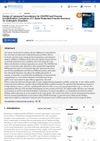
 This study reported that a novel cationic liposome formulation for delivering encapsulated Cas9 protein and sgRNA successfully decreased SRD5α2 mRNA expression by 29.7% in vitro, suggesting a potential alternative treatment option for conditions like prostate cancer and benign prostatic hyperplasia without current drug side effects.
December 2021 in “Figshare” This study found that BBS7 is downregulated in occlusal hypofunctional periodontal ligament, suggesting it plays a crucial role in maintaining Shh signaling for PDL homeostasis.
December 2021 in “Figshare” This study found that downregulation of BBS7 in periodontal ligament cells was associated with reduced Sonic hedgehog signaling, which plays a crucial role in maintaining PDL homeostasis.
December 2021 in “Figshare” This study found that BBS7 expression is crucial for maintaining Sonic hedgehog signaling and periodontal ligament homeostasis in occlusal hypofunctional conditions.
December 2021 in “Figshare” This study found that BBS7 downregulation in occlusal hypofunctional PDL affects Sonic hedgehog signaling activity, impacting PDL homeostasis.
December 2021 in “Figshare” This study found that BBS7 is important for Sonic hedgehog signaling activity, which may be crucial for maintaining periodontal ligament homeostasis in occlusal hypofunction.
December 2021 in “Figshare” This study found that BBS7 expression is crucial for maintaining Sonic hedgehog signaling activity and periodontal ligament homeostasis, suggesting its downregulation in occlusal hypofunction affects cell migration and angiogenesis.
December 2021 in “Figshare” This study suggests that the downregulation of BBS7 in occlusal hypofunctional periodontal ligament impairs Shh signaling, which is essential for maintaining periodontal ligament homeostasis.
December 2021 in “Figshare” This study suggests that BBS7 is crucial for maintaining PDL homeostasis by supporting Sonic hedgehog signaling activity, with occlusal hypofunction leading to its downregulation and associated tissue changes.
December 2021 in “Figshare” This study found that BBS7 downregulation in occlusal hypofunctional periodontal ligament tissue is associated with reduced Sonic hedgehog signaling activity, potentially playing a key role in maintaining PDL homeostasis.
December 2021 in “Figshare” This study found that BBS7 is crucial for maintaining Shh signaling and periodontal ligament homeostasis, with occlusal hypofunction leading to its downregulation and impacting cell migration and angiogenesis.