32 citations
,
May 1999 in “Biochemical and Biophysical Research Communications” This study found that the gene BSSP, a serine protease, is predominantly expressed in sebaceous glands and is overexpressed in nude mouse skin.
 14 citations
,
April 2020 in “Journal of Cosmetic Dermatology”
14 citations
,
April 2020 in “Journal of Cosmetic Dermatology” In this study, intradermal injections of QR678 were found to significantly reduce hair fall in men with androgenetic alopecia over 6 months, with superior improvements in hair density and thickness compared to PRP.
 January 2021 in “Research Square (Research Square)”
 This study mapped copy number variations in Chinese fine-wool sheep, identifying regions linked to important traits like milk production and growth, and highlighting a strong selection signal at the RXFP2 gene.
 12 citations
,
November 2014 in “Bioscience, Biotechnology, and Biochemistry”
12 citations
,
November 2014 in “Bioscience, Biotechnology, and Biochemistry” In this study, the researchers successfully increased dipicolinic acid production in Bacillus subtilis by genetically modifying the spoVF operon, achieving a significant productivity improvement in the culture medium.
June 2026 in “Journal of Cosmetic Dermatology” PDRN may help with female hair loss, but more research is needed.
 March 2009 in “The Journal of Urology”
 This paper discusses the potential of PSA doubling time after radical prostatectomy to predict overall survival but reports no new results.

This study found that a complex extract of Polygonatum sibiricum and Nelumbinis semen improved menopause symptoms in an ovariectomized rat model by enhancing blood lipid metabolism and reducing osteoporosis, without increasing risks of side effects like endometriosis, unlike conventional hormone-replacement therapy.
September 2023 in “Journal of the American Academy of Dermatology” Risankizumab effectively treats and maintains skin clearance in moderate-to-severe psoriasis.
22 citations
,
October 2018 in “Molecular Medicine Reports” In this study, classic PDRN (50-1,500 kDa) was observed to improve wound healing quality in a mouse model by enhancing collagen composition and cell migration.
3 citations
,
April 2022 in “Research Square (Research Square)” In this study, the researchers identified a PBX1-SIRT1-PARP1 axis that plays a crucial role in reducing senescence and apoptosis in hair follicle-derived mesenchymal stem cells.
 April 2017 in “Journal of Investigative Dermatology”
 This study found that the PON1 192 R allele was associated with an increased risk of psoriasis and altered lipid profiles in patients from Western Mexico.
16 citations
,
July 2022 in “The Laryngoscope” This study found that platelet-rich plasma injections for vocal fold scarring and atrophy showed a favorable safety profile and subjective improvements in vocal quality and fatigue over a three-month follow-up.
 May 2014 in “Transfusion and Apheresis Science”
 PRP is a safe natural treatment that improves skin by reducing wrinkles and enhancing texture for up to 4 months.
8 citations
,
June 2013 in “Journal of bone and joint surgery. American volume/The Journal of bone and joint surgery. American volume” This commentary highlights that while platelet-rich plasma (PRP) is widely used in orthopaedic and cosmetic treatments, its effectiveness is questionable and varies with different compositions and applications.
26 citations
,
March 2018 in “Experimental Dermatology” This article argues that prolactin may have a role in sebaceous gland function and suggests it could be a potential target for treating skin conditions, but reports no new clinical findings.
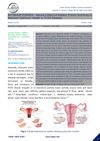 January 2020 in “Asian Journal of Basic Science & Research”
 This review discusses the role of Nutrease powder in managing hormonal disturbances in polycystic ovary syndrome and reports no new clinical results.
October 2025 in “Physiologia” In this exploratory in vitro study, treatment with spermidine increased cell viability and altered gene expression in human epidermal keratinocytes, suggesting potential benefits to cellular health and function, though effects on mitochondrial markers were not significant.
 September 2020 in “Medicina Moderna - Modern Medicine”
 This study found that a simple two-step method for preparing platelet-rich plasma produced satisfactory quality at a lower cost compared to many commercial systems, enabling smaller medical institutions to utilize PRP therapy.
11 citations
,
October 2023 in “mSphere” This study reported that the PrrH sRNA in *Pseudomonas aeruginosa* may directly regulate genes involved in pyochelin siderophore biosynthesis, highlighting its role in adapting to heme availability, with light conditions influencing this gene expression.
 64 citations
,
January 2010 in “The FASEB Journal”
64 citations
,
January 2010 in “The FASEB Journal” This study found that prolactin is a key regulator of keratin expression in human hair follicles, enhancing specific keratin types and influencing epithelial stem cell-associated keratins.
In this observational and interventional study conducted in Dhaka, Bangladesh, PRP treatment led to clinical improvements in hair count, thickness, and density among 20 out of 30 male patients with androgenetic alopecia, with significant statistical support (p-value 0.00) following 2-3 treatment sessions.
 March 1998 in “Journal of dermatological science”
 Protease Nexin-1 is found in human hair growth cells and is affected by male hormones.

This study found that scalp micropigmentation significantly improved psychological well-being among adults by enhancing appearance satisfaction and perceived physical attractiveness, but not through a direct relationship with psychological well-being itself.
 6 citations
,
July 2023 in “Spine Surgery and Related Research”
6 citations
,
July 2023 in “Spine Surgery and Related Research” This article reviews the potential of PRP as a treatment for spinal pain but calls for established use guidelines and protocols before wider clinical adoption, with no new clinical results reported.
 25 citations
,
April 2012 in “Acta Biomaterialia”
25 citations
,
April 2012 in “Acta Biomaterialia” This study observed that NSPC predominantly differentiated into neurons when exposed to serum fractions with molecules under 100 kDa, particularly with biomaterial and fibronectin, in the presence of basic fibroblast growth factor.

This chapter reviews procedural hair restoration techniques, including platelet-rich plasma and hair transplantation, and reports no new clinical findings.
 February 2026 in “Nano Research”
 In this study, researchers developed a near-infrared-responsive nanoplatform that synergistically enhances chronic wound healing by accelerating mitochondrial restoration and immune modulation, leading to enhanced wound repair and high-quality healing in diabetic rat models.
 1 citations
,
June 2023 in “ScienceRise Pharmaceutical Science”
1 citations
,
June 2023 in “ScienceRise Pharmaceutical Science” This study explored a computer simulation method for selecting emulsion compositions in dermatology, finding that the PS biocomplex can be effectively used as an emulsifier or co-emulsifier, which streamlines the development process and reduces experimental demands.
 April 2023 in “Journal of Investigative Dermatology”
 This study found that short-term NB-UVB treatment significantly reduced anxiety levels in psoriasis patients, but not depression.
 28 citations
,
October 1992 in “JEADV. Journal of the European Academy of Dermatology and Venereology/Journal of the European Academy of Dermatology and Venereology”
28 citations
,
October 1992 in “JEADV. Journal of the European Academy of Dermatology and Venereology/Journal of the European Academy of Dermatology and Venereology” In this study, Scalp Immersion Proxigraphy (SIP) was shown to produce more accurate measurements of linear hair growth rate than crude phototrichogram techniques, suggesting SIP's suitability for clinical trials monitoring hair growth.