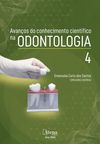
This study found significant cephalometric changes in patients with skeletal Class III malocclusion treated with rapid maxillary expansion and reverse traction, demonstrating maxilla advancement and improved facial convexity.
 October 2023 in “Clinical medicine and medical research”
 This study indicates that higher thyroid-stimulating hormone levels may be linked to post-COVID-19 hair loss in women, while ferritin levels showed no significant correlation.
 October 2023 in “Open Repository of the University of Porto (University of Porto)”
 In this study, a pharmacy internship report describes a six-month community pharmacy internship, detailing activities to promote sleep quality, sun protection, hypertension screening, and detecting medication errors, as well as in-depth discussions on smoking cessation and alopecia treatments.
 October 2023 in “Open Repository of the University of Porto (University of Porto)”
 Pharmacists play a crucial role in patient care and optimizing treatment outcomes.
 June 2023 in “LA Referencia (Red Federada de Repositorios Institucionales de Publicaciones Científicas)”
 Home photobiomodulation therapy can improve life quality and mobility for disabled individuals.
 April 2023 in “Digital Library of Theses and Dissertations (Universidade de São Paulo)”
 This study concluded that mesenchymal stem cells from adipose tissue harvested using laser-assisted liposuction with selective photo-stimulation are as effective and low-risk for cell therapy as those obtained through conventional liposuction, based on their differentiation potential, cellular proliferation, and cytokine expression.

The study found that adipose-derived mesenchymal stem cells obtained via laser-assisted liposuction with selective photo-stimulation are comparable in differentiation potential and tumorigenic risk to those from conventional liposuction for cell therapy applications.

This study found that while iron depletion through phlebotomies is safe for women with functional ovarian hyperandrogenism, it does not improve their cardio-metabolic profile and may reduce non-enzymatic antioxidant capacity.

This study found a significant discordance between clinical symptoms and dermatoscopic signs with histopathological inflammation in patients with LPP and AFF, affecting diagnostic and therapeutic approaches.

This study found that a combination of photoprotector and nighttime formulations with essential oils improved skin barrier function and structural characteristics in young men's oily, acne-prone, and photoaged skin.

This research focused on formulating finasteride, dutasteride, and minoxidil with cyclodextrins to enhance their solubility and skin penetration for topical use, potentially reducing scalp irritation from current alcohol-based preparations.
 January 2020 in “Revista da Sociedade Portuguesa de Dermatologia e Venereologia”
 This study reports that frontal fibrosing alopecia in Brazilian patients is common in postmenopausal women and often associated with hypothyroidism and facial irritation from cosmetic products.
 January 2019 in “Springer Reference Medizin”
 This article reviews the role of factor Xa inhibitors like Rivaroxaban and suggests they may eventually replace vitamin K antagonists, but their side effects require further clarification.
 January 2018 in “Online Publication Service of Würzburg University (Würzburg University)”
 This study found that donor age and culture medium significantly impact the quality of human full-thickness skin models, with implications for their use as animal model alternatives in research.

This study characterized the physical-chemical properties of Eclipta alba and identified compounds in the plant that could support its use in developing hair loss treatments.
 March 2017 in “Fundamental & Clinical Pharmacology”
 This case study reported an improvement in lower limb edema for a patient with type 2 diabetes mellitus after starting dulaglutide treatment, suggesting a potential role of the drug in sodium retention disorders.
 January 2017 in “Qucosa (Saxon State and University Library Dresden)”
 This study found that plasma protein binding significantly contributes to the shifts in glucocorticosteroid concentration ratios among blood, saliva, and hair, challenging prior assumptions about enzyme inactivation as the main factor.

Lichen planopilaris and frontal fibrosing alopecia are likely the same disease with different clinical appearances.

This study found that fetal canine hair follicle-derived stem cells exhibited pluripotency markers, suggesting potential for therapeutic applications in hair and skin repair.
 August 2015 in “Arquivo Brasileiro de Medicina Veterinária e Zootecnia/Arquivo brasileiro de medicina veterinária e zootecnia”
 This study found that maternal caffeine intake during gestation and lactation can lead to skin lesions like hypotrichosis and alopecia in both mother and offspring rats, irrespective of maternal cortisol levels.
 March 2014 in “Fertility and Sterility”
 The April 2014 issue of "Fertility and Sterility" discussed various reproductive health topics, including hormone therapy benefits, sperm and genetic factors in male infertility, and the link between PCOS and diabetes.
 June 2013 in “Revista cubana de plantas medicinales”
 This study found that Sida cordifolia collected in Colombia is a good source of steroidal saponins, which may contribute to its antioxidant and antifungal properties.

This study observed that long-term laser hair removal in women may alter hair follicle structures and stem cell interactions, with dermal fibrosis potentially influencing hair regrowth prevention.
 May 2011 in “Dermatología argentina”
 In this case report, a female patient with frontal fibrosing alopecia and lichen scleroatrophicus vulvae experienced excellent results from hair microtransplants combined with finasteride and topical minoxidil, maintained over six years.

This study reviewed and reclassified 37 cases of primary scarring alopecia using histological methods to achieve more accurate diagnoses within subtypes like lupus erythematosus and lichen planopilaris.
 January 2005 in “Boletín del Instituto de Estudios Giennenses”
 This study found significant improvements in hair growth parameters and a reduction in hair fall after using the test product for 90 days, with no adverse events reported.

In this study, no significant difference was found between the efficacy of betamethasone dipropionate cream and placebo in treating alopecia areata in children, regardless of atopic status.
January 2026 in “Andrology” This study found that PRP injections are safe and may slightly reduce penile curvature and improve PDQ scores in men with stable-phase Peyronie's Disease, but the changes are not significant enough to predict long-term effects.
 1 citations
,
November 2020 in “Journal of The American Academy of Dermatology”
1 citations
,
November 2020 in “Journal of The American Academy of Dermatology” This study highlights criticisms of existing research on PRP as a treatment for androgenetic alopecia, noting small sample sizes, lack of controls, subjective result analysis, and varied methodologies.
 June 2024 in “Journal of Ayub Medical College Abbottabad”
 This study concluded that adding 5% topical Procapil to PRP therapy provided better outcomes for androgenetic alopecia than PRP alone, as assessed by dermatologist evaluations and patient satisfaction.