 7 citations
,
March 2019 in “Dermatologic surgery”
7 citations
,
March 2019 in “Dermatologic surgery” In this randomized trial, bimatoprost 0.01% significantly improved eyebrow hair density and diameter in patients with eyebrow hypotrichosis compared to a placebo, with minimal adverse effects, suggesting it is an effective and safe treatment option.
 September 2024 in “Journal of the American Academy of Dermatology”
 This study found that a new compounded topical solution for alopecia was clinically tolerable and did not cause irritation, while also showing potential to enhance hair growth through fibroblast proliferation and gene expression.
 66 citations
,
January 2010 in “Journal of The American Academy of Dermatology”
66 citations
,
January 2010 in “Journal of The American Academy of Dermatology” This study reported that mycophenolate mofetil was effective in reducing signs and symptoms of active lichen planopilaris in 83% of patients who had failed multiple prior treatments.
 108 citations
,
November 1980 in “British Journal of Dermatology”
108 citations
,
November 1980 in “British Journal of Dermatology” This article reviews the current status of oral retinoids in dermatology and reports no new clinical findings.
 January 2018 in “Springer eBooks”
 PDE inhibitors, especially PDE4 inhibitors like apremilast, are effective for certain inflammatory skin conditions but have side effects and can be costly.
This study found that a combination of minoxidil, microneedling, and PRP was significantly more effective than minoxidil alone in managing androgenetic alopecia over six months.
31 citations
,
April 2005 in “American journal of ophthalmology” This case report identified lash ptosis as a potential complication of latanoprost therapy in a 61-year-old man with ocular hypertension.
June 2025 in “Zenodo (CERN European Organization for Nuclear Research)” Combining Procapil with minoxidil improves hair growth in men with hair loss.
June 2025 in “Zenodo (CERN European Organization for Nuclear Research)” Combining Procapil with minoxidil improves hair growth in men with hair loss.
4 citations
,
July 2019 in “Journal of cosmetic dermatology” This clinical study reported that while both 0.01% and 0.03% bimatoprost significantly improved eyebrow density and diameter in patients with eyebrow hypotrichosis, the 0.03% concentration was more clinically preferred by patients.
63 citations
,
April 1985 in “Journal of the American Academy of Dermatology” This study observed that topical PUVA treatment led to excellent or good hair regrowth in 45.4% of patients with alopecia areata, though many experienced relapse after treatment stopped.
 15 citations
,
May 2017 in “Journal of Dermatological Treatment”
15 citations
,
May 2017 in “Journal of Dermatological Treatment” In this study, patients with alopecia areata experienced significant hair regrowth using topical latanoprost, minoxidil, or betamethasone valerate, with the addition of latanoprost enhancing the effectiveness of betamethasone valerate, showcasing these treatments as safe and effective options.
 65 citations
,
November 2004 in “Journal of the American Academy of Dermatology”
65 citations
,
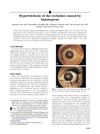
November 2004 in “Journal of the American Academy of Dermatology” This article reports a case where the IOP-lowering drug bimatoprost was associated with eyelash hypertrichosis.
 14 citations
,
July 2012 in “Journal of the American Academy of Dermatology”
14 citations
,
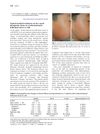
July 2012 in “Journal of the American Academy of Dermatology” This study found that topical tacalcitol improved roughness and scaling in erythromelanosis follicularis faciei et colli, although it was less effective for facial erythema.
 23 citations
,
April 2004 in “American Journal of Ophthalmology”
23 citations
,
April 2004 in “American Journal of Ophthalmology” This case report found that topical bimatoprost usage in a female Hispanic patient with open-angle glaucoma was associated with hypertrichosis and increased pigmentation of vellus hairs on the malar region.
 April 1982 in “Journal of The American Academy of Dermatology”
 Retinoids help treat psoriasis effectively, but they can cause side effects and need more research on safe use with other treatments.
44 citations
,
October 2009 in “Journal of the American Academy of Dermatology” This study reported that 1% bexarotene gel was well tolerated and possibly effective for inducing partial hair regrowth in alopecia areata, but more rigorous trials are needed to confirm its efficacy.
 16 citations
,
October 2014 in “Journal of the American Academy of Dermatology”
16 citations
,
October 2014 in “Journal of the American Academy of Dermatology” This study found that oral retinoid therapy may provide clinical improvement in a small percentage of patients with treatment-resistant lichen planopilaris, although it is not commonly used as a first-line treatment.
 15 citations
,
March 2004 in “American Journal of Ophthalmology”
15 citations
,
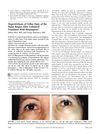
March 2004 in “American Journal of Ophthalmology” This case report found that topical bimatoprost in a female Hispanic patient with glaucoma led to increased hair growth and pigmentation in the malar region, which resolved after discontinuing use and epilation.
 April 2016 in “Journal of The American Academy of Dermatology”
 Daylight photodynamic therapy is effective and well-tolerated for treating actinic keratoses with minimal side effects.
 23 citations
,
June 2014 in “Journal of Pharmaceutical Sciences”
23 citations
,
June 2014 in “Journal of Pharmaceutical Sciences” This study found that the HPCH-based formulation P-08–016 may facilitate finasteride deposition in the dermis, potentially offering an alternative to systemic therapy by minimizing systemic absorption.
 18 citations
,
July 2018 in “Journal of Cosmetic Dermatology”
18 citations
,
July 2018 in “Journal of Cosmetic Dermatology” This study found that microneedling combined with calcipotriol plus betamethasone was more effective in treating vitiligo than microneedling with tacrolimus, particularly in difficult-to-treat areas.
16 citations
,
May 2006 in “The Journal of Dermatology” This study reported successful treatment of peeling skin syndrome using topical calcipotriol.
January 2003 in “Journal of Practical Aesthetic and Plastic Surgery” This study found that intralesional Diprospan injections and high-dose intravenous methylprednisolone may be effective for treating longstanding multifocal alopecia areata, with variable hair regrowth observed among patients.
January 2019 in “Egyptian Journal of Dermatology and Venereology /Egyptian Journal of Dermatology and Venerology” This study investigated the efficacy and safety of a gel combining topical calcipotriol and steroid for alopecia areata. It found the combination worked similarly to steroids alone in reducing hair loss, but with fewer side effects.
January 2018 in “Surgical and Cosmetic Dermatology” This study found that treatments with 5% minoxidil, with or without latanoprost, were effective in controlling hair loss and increasing hair strand count in patients with telogen effluvium or androgenic alopecia.
40 citations
,
January 2013 in “Clinical Cosmetic and Investigational Dermatology” In this study, niacinamide 4% and desonide 0.05% emulsions significantly improved axillary hyperpigmentation in women, with desonide demonstrating a superior depigmenting effect compared to niacinamide and placebo.
22 citations
,
March 1999 in “International Journal of Clinical Practice” This review discusses the use of topical immunotherapy for severe alopecia areata and resistant viral warts, highlighting diphencyprone's advantages and the need for careful handling to avoid staff sensitisation; it reports no new clinical results.
 October 2025 in “Iraqi postgraduate medical journal”
 This study observed that using fractional CO2 laser-assisted delivery of clobetasol propionate cream significantly improved treatment outcomes for localized alopecia areata compared to the cream alone, suggesting the laser's enhancing effect on hair regrowth.
December 2020 in “Forum Dermatologicum” In this case report, a combination treatment of intralesional triamcinolone acetonide, oral acitretin, and topical clobetasol propionate showed effectiveness in reducing symptoms of Graham-Little-Piccardi-Lasseur syndrome in one patient over two months, with no new areas of hair loss observed.