1 citations
,
January 2017 The document outlines criteria to identify and differentiate neoplasms based on follicular characteristics.
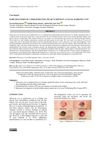 March 2022 in “Folia Medica Indonesiana”
 This case report described a facial hairline tumor initially diagnosed as a sebaceous cyst but ultimately confirmed as a rare Proliferating Pilar Tumor with focal malignancies upon histopathological examination.

This study reported a significant association between the SNP rs2479106 in the DENND1A gene and PCOS in Saudi Arabian females, while no association was found for SNPs rs10818854 and rs10986105.
 19 citations
,
July 2012 in “Biotechnic & Histochemistry”
19 citations
,
July 2012 in “Biotechnic & Histochemistry” This study observed that decreased nucleolar organizing region protein synthesis in hair root cells is correlated with hair loss in humans.
 30 citations
,
June 2016 in “Journal of Human Genetics”
30 citations
,
June 2016 in “Journal of Human Genetics” This study found pathogenic mutations in genes EDA, EDA1R, and EDARADD in 101 out of 124 hypohidrotic ectodermal dysplasia patients, revealing 23 novel mutations and indicating genetic variability.
 August 2016 in “Journal of Investigative Dermatology”
 This study found that the activity of CD73, an enzyme expressed in the hair follicle epithelium, may regulate human hair growth by modulating adenosine production.
 103 citations
,
March 2015 in “Nature Communications”
103 citations
,
March 2015 in “Nature Communications” This study identified a genetic locus associated with idiopathic scoliosis in females, which might influence spinal gene expression and was previously linked to protection from early-onset alopecia.
 51 citations
,
November 2011 in “British Journal of Dermatology”
51 citations
,
November 2011 in “British Journal of Dermatology” This study suggests that the HDAC9 gene is a third susceptibility gene for male-pattern baldness, with significant associations found in both German and Australian samples.
 19 citations
,
April 2015 in “Developmental Dynamics”
19 citations
,
April 2015 in “Developmental Dynamics” This study reports that dynamic interactions between stem cells and their niche, influenced by macro-environmental factors, regulate regenerative behavior in integument pattern formation.
2 citations
,
May 2020 in “The journal of investigative dermatology/Journal of investigative dermatology” This study describes a family where a TP63 mutation was linked with prominent alopecia and mild ectodermal dysplasia features.
This study found that expression and variants of the KRT84 gene are associated with important wool traits in Gansu Alpine Fine-wool sheep, suggesting its potential use as a genetic marker for wool trait selection.
11 citations
,
October 2022 in “Clinical Cosmetic and Investigational Dermatology” In this study, SNPs in genes affecting skin pigmentation were linked to each skin type's unique response to environmental stress, suggesting potential for personalized skin care products.
1 citations
,
October 2024 in “Medicina” In this genetic study, the researchers found that variants in the CLEC4D gene are significantly associated with the development of alopecia areata among individuals in the Jordanian population, pointing to a potential genetic influence on the disease's pathogenesis.
January 2026 in “International Journal of Molecular Sciences” This study found that eyebrow follicles, as opposed to buccal swabs or nails, are the most reliable tissue for post-HSCT germline genetic testing due to lower donor DNA contamination.
 May 2024 in “BMC veterinary research”
 In this study, researchers observed that metabolite expression patterns, including sugars, lipids, amino acids, and nucleotides, affect hair follicle growth in cashmere goats, with feeding practices potentially influencing these cycles via hormone and vitamin levels.
 March 2024 in “Dermatology and therapy (Internet)”
 This study identified eight genetic markers associated with androgenetic alopecia, suggesting that these SNPs could influence individualized therapeutic responses and highlight the need for personalized treatment strategies.
 7 citations
,
March 2022 in “Frontiers in Genetics”
7 citations
,
March 2022 in “Frontiers in Genetics” This study identified genetic loci and pathways associated with long hair growth in the Tianzhu white yak, providing new insights into the genetic mechanisms of this trait.
188 citations
,
June 1998 in “Molecular cell” This study found that mimicking the XPD point mutation in mice resulted in trichothiodystrophy-like symptoms, supporting the role of basal transcription and DNA repair defects in the disease.
May 2023 in “Pharmaceuticals” In this in silico study, researchers analyzed nonsynonymous SNPs in the LIPH gene linked to hypotrichosis and identified three potentially harmful variants (W108R, C246S, and H248N) out of 215 total, using sequence- and architecture-based bioinformatics techniques to differentiate between harmful and benign SNPs.
 197 citations
,
June 2009 in “American journal of human genetics”
197 citations
,
June 2009 in “American journal of human genetics” This study found that previously undescribed WNT10A mutations are a prominent cause of various forms of ectodermal dysplasia, including OODD and Schöpf-Schulz-Passarge syndrome, with gender-specific phenotypic effects noted.
 3 citations
,
January 2020 in “Plastic and Aesthetic Research”
3 citations
,
January 2020 in “Plastic and Aesthetic Research” This review discusses the fundamental hallmarks of aging as they relate to skin aging and highlights the prominent roles of oxidative damage and the extracellular matrix in photoaging, reporting no new results.
 11 citations
,
June 2017 in “Journal of cell science”
11 citations
,
June 2017 in “Journal of cell science” In this study, researchers found that AGD1 is crucial for membrane recruitment during root hair development in Arabidopsis thaliana, with its pleckstrin homology domain essential for targeting specific plasma membrane regions.
 1 citations
,
February 2022 in “Case reports in endocrinology”
1 citations
,
February 2022 in “Case reports in endocrinology” This case report describes a 64-year-old postmenopausal woman with hirsutism due to a rare case of bilateral diffuse ovarian Leydig cell hyperplasia, leading to normalized testosterone levels and improved glycaemic control following surgery.
 9 citations
,
October 2008 in “Mutation research”
9 citations
,
October 2008 in “Mutation research” This article discusses the genomic and postgenomic changes in chronic degenerative diseases and cardiovascular and skin disease contexts, highlighting potential modulation through diet and pharmacological interventions without presenting new experimental results.
 January 2024 in “Wiadomości Lekarskie”
 This historical analysis highlights the pioneering contributions of several late 19th-century Jagiellonian University professors to Polish and European medicine, including advancements in craniotomy, urology, and gastroscopic techniques, as well as clinical use of nitroglycerin and early identification of coronary artery embolism.
 January 2024 in “Wiadomości Lekarskie”
 This study highlights the transformation in aortic aneurysm treatment over the last 30 years, noting the shift from open surgery to endovascular methods, which reduce surgical risks and improve outcomes.
 40 citations
,
November 1998 in “The journal of investigative dermatology/Journal of investigative dermatology”
40 citations
,
November 1998 in “The journal of investigative dermatology/Journal of investigative dermatology” This study found that the S100A3 gene is exclusively expressed in hair follicle cells differentiating into hair shaft components in mice, suggesting its important role in hair formation.
8 citations
,
May 2025 in “Biomolecules” This review highlights the evolution of forensic genetics from basic DNA analysis to complex genome-wide studies, enabling insights into personal traits, ancestry, and habits, and suggests future advancements through technologies like CRISPR and AI.
4 citations
,
December 2021 in “Journal of clinical laboratory analysis” This study identified a splicing-site deletion in the DCAF17 gene associated with Woodhouse-Sakati syndrome in a large consanguineous pedigree, leading to typical phenotypic features.
77 citations
,
April 2005 in “Journal of Investigative Dermatology” Repetin is a protein involved in skin and hair development, binding calcium and compensating for other proteins when needed.