
This study analyzed the phytochemical content of two Portulaca species and found that extracts from Portulaca oleracea L. and Portulaca grandiflora H. demonstrated suitable characteristics for hair tonic formulations, meeting Indonesian National Standards for cosmetic products.
 10 citations
,
August 2024 in “Clinical Cosmetic and Investigational Dermatology”
10 citations
,
August 2024 in “Clinical Cosmetic and Investigational Dermatology” This review reports that natural compounds show promise in slowing skin photoaging by targeting cellular pathways in keratinocytes and fibroblasts. However, comprehensive clinical studies are needed to verify their efficacy and safety.

This research highlights selenium's critical roles in various biological processes and underscores the potential health impacts of both its deficiency and excess, including increased mortality risk, poor immune function, and neurological issues.
49 citations
,
October 2024 in “Frontiers in Immunology” In this review, the authors highlighted the potential of natural polysaccharides from plants, animals, and microbes to modulate immune responses, reduce inflammation, and strengthen the intestinal barrier, suggesting their promising role as immunomodulatory agents in pharmaceutical applications.
46 citations
,
October 2025 in “Journal of Nanobiotechnology” This review examines the potential of plant-derived exosome-like nanovesicles in dermatology, highlighting their bioactive properties and discussing challenges to their clinical application, but does not provide new clinical results.
 5 citations
,
September 2023 in “Journal of ethnopharmacology”
5 citations
,
September 2023 in “Journal of ethnopharmacology” This review from this study outlines the traditional uses, phytochemicals, and diverse pharmacological activities of Portulaca oleracea L. (purslane), suggesting its potential application in food, pharmaceuticals, and animal husbandry due to its various health benefits and nutritional properties.
6 citations
,
December 2022 in “Toxicological Research” 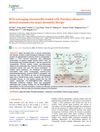 1 citations
,
October 2025 in “Nano Research”
1 citations
,
October 2025 in “Nano Research” In this study, researchers developed a dissolvable microneedle patch combining HA-TEMPO and Portulaca oleracea L.-derived nanoparticles, which effectively reduced oxidative stress and inflammation in an atopic dermatitis model while restoring immune balance, suggesting a promising treatment strategy.
70 citations
,
February 2016 in “EMBO reports” This study identified a subtype of itch-sensing neurons in mice, which express Ret and somatostatin, and found that their ablation reduces scratching induced by certain pruritogens.
 125 citations
,
December 2016 in “Molecules”
125 citations
,
December 2016 in “Molecules” This review discusses the extraction, purification, modification, and biological activity of polysaccharides from Traditional Chinese Medicine and reports no new research findings.
 54 citations
,
May 2017 in “Biomedicine & Pharmacotherapy”
54 citations
,
May 2017 in “Biomedicine & Pharmacotherapy” This review discusses the nutrient profile and potential health benefits of pumpkin and watermelon seeds, concluding they are underutilized and could be developed into various nutraceuticals.
 41 citations
,
November 2024 in “Molecular Biomedicine”
41 citations
,
November 2024 in “Molecular Biomedicine” This review discusses the mechanisms and engineering techniques for enhancing the targeted delivery of extracellular vesicles in therapies but reports no new clinical findings; the authors encourage further exploration to advance clinical applications.
 35 citations
,
December 2006 in “Journal of medicinal food”
35 citations
,
December 2006 in “Journal of medicinal food” This study found that topical application of Morinda pubescens fruit extract significantly accelerated wound healing and hair regrowth in rats compared to controls, with complete wound contraction and new hair growth observed in treated animals.
 32 citations
,
January 2021 in “Molecules”
32 citations
,
January 2021 in “Molecules” This review compiles studies on the antidiabetic potential of plants from the Middle East, particularly from the Asteraceae and Lamiaceae families, but reports no clinical results.
 2 citations
,
November 2023 in “Frontiers in microbiology”
2 citations
,
November 2023 in “Frontiers in microbiology” This review suggests that the gut microbiome and metabolome may play a significant role in alopecia areata and emphasizes the potential of targeting these factors for improved prevention, diagnosis, and treatment strategies for this skin condition.
 2 citations
,
May 2022 in “Ethnobotany research and applications”
2 citations
,
May 2022 in “Ethnobotany research and applications” This study documented the indigenous uses of 68 medicinal plant species for food and beverages across three ethnic communities in Southwest Pakistan, with implications for sustainable development and cross-cultural understanding.
 2 citations
,
July 2020 in “Journal of Applied Pharmaceutical Science”
2 citations
,
July 2020 in “Journal of Applied Pharmaceutical Science” This study examined the preservative and antimicrobial susceptibility of non-fermenting bacilli collected from beauty salon waste in Brazil.
 1 citations
,
August 2023 in “Frontiers in immunology”
1 citations
,
August 2023 in “Frontiers in immunology” This review highlights the potential of TCM medicinal foods for managing post-COVID disorders and suggests they could provide a safe and efficient long-term therapy due to their milder nature.
 1 citations
,
December 2019 in “JURNAL BIOSAINS”
1 citations
,
December 2019 in “JURNAL BIOSAINS” This study evaluated krokot extract as a hair tonic and found it to be microbiologically safe, effective at extending and increasing hair weight, non-irritating, and generally well-received in terms of aroma and color when tested on rabbits.
 October 2023 in “Cognizance journal”
 This study explores using agent-based modeling and nutrition science to predict and treat oral and dental diseases as alternatives to traditional incarceration for managing criminal behavior, but results are not reported.
 June 2023 in “MPI (Media Pharmaceutica Indonesiana)”
 This systematic literature review identified kale leaf hair tonic (Ipomoea aquatica Forsk.) at 5% concentration as an effective herbal cosmeceutical preparation for enhancing hair growth, showing an average increase in hair length over 21 days, while meeting established pharmaceutical standards.

This study found that all examined biomarkers and clinical features were elevated in systemic lupus erythematosus patients, particularly ANA and Anti-dsDNA autoantibodies, but no single biomarker was sensitive or specific enough for diagnosis.
 January 2022 in “Acta botanica Caucasica”
 This study evaluated herbal cosmetic products used in Turkiye, identifying 140 plant species and highlighting walnut, common nettle, and grape as popular for various traditional uses.
This book overview summarizes advances in integrative dermatology without presenting any new research findings.
4 citations
,
January 2020  October 2020 in “Misr journal of agricultural engineering”
 This study examined the drying of pomegranate peel as a method for reducing waste and found that drying efficiency varied with temperature and air velocity, potentially adding value to this by-product.
Custom skincare can be made based on genes, fewer cats in Lublin have FeLV/FIV than national average, and studies also looked at small water bodies, river pollution, guppy growth, toxins in biochars, palm oil issues, and pumpkin seed oil for hair strength.
 September 2022 in “Farmacja Polska”
 This review discusses the role of biotin in enzyme function and its effects on hair, skin, and nail health, noting that significant improvements are mostly seen in people with biotin deficiency, and reports no new clinical results.
 August 2022 in “bioRxiv (Cold Spring Harbor Laboratory)”
 This study found that in mice, competition for hair follicles guides the organization of follicle-innervating LTMR neurons during early development, with different neuronal subtypes showing varying adaptive responses to increased neuron populations.
November 2024 in “DELOS Desarrollo Local Sostenible” In this study, researchers observed that Thunbergia grandiflora and Russelia equisetiformis exhibited mutual aid by altering their phenotypic characteristics to facilitate intertwining, suggesting a form of solidarity without apparent external threats.