1 citations
,
November 2005 in “PubMed” This study found that continuous itraconazole therapy was more effective than pulse therapy for treating tinea capitis caused by Microsporum ferrugineum, with a higher cumulative cure rate and no significant adverse effects.
This study observed that adherence to finasteride treatment in patients with benign prostatic hyperplasia at a clinic in Tepic Nayarit had not been previously evaluated in Mexico.
 3 citations
,
June 1983 in “Archives of Dermatology”
3 citations
,
June 1983 in “Archives of Dermatology” This article discusses the effectiveness of adrenal cortex compounds E and F in treating connective tissue disorders like rheumatoid arthritis and lupus erythematosus, but it reports no new clinical results.
 17 citations
,
May 1998 in “Steroids”
17 citations
,
May 1998 in “Steroids” This study constructed a model to predict finasteride's inhibitory activity on 5α-reductase type 2 and calculated that a 1 μM plasma concentration, after 50 mg administration, matches prostate inhibition levels.
 August 2022 in “IntechOpen eBooks”
 This review discusses treatments for frontal fibrosing alopecia and lichen planopilaris, noting that systemic 5-alpha reductase inhibitors are most effective for stabilization and potential hair regrowth, but reports no new clinical results.
32 citations
,
July 2017 in “Oncotarget” This study found that intermittent treatment with FTI lonafarnib and sulforaphane may be a promising therapeutic approach for children with Hutchinson-Gilford progeria syndrome, as it improved the cellular phenotype.
 84 citations
,
August 2023 in “Drugs”
84 citations
,
August 2023 in “Drugs” This article describes the development milestones and recent approvals of ritlecitinib for treating severe alopecia areata, with approvals in the USA and Japan and ongoing regulatory reviews in other regions.
 January 2016 in “Hair transplant forum international”
 Finasteride's link to health issues like male breast cancer, infertility, and prostate cancer needs more research through placebo-controlled trials to confirm.
 January 2024 in “Journal of Clinical Images and Medical Case Reports”
 This article discusses frontal fibrosing alopecia as a type of Lichen planopilaris marked by gradual hair loss at the front of the scalp but reports no new clinical results.
December 2025 in “Pediatric Dermatology” In this study, a 14-year-old girl developed Malassezia folliculitis and seborrheic dermatitis after starting trametinib, which improved with itraconazole treatment. The research underscores the importance of recognizing trametinib-related skin reactions and suggests managing them with antifungal therapy without necessarily discontinuing the medication.
26 citations
,
October 2017 in “PubMed” According to this study, systemic retinoids, specifically oral isotretinoin and acitretin, were more effective than finasteride in stabilizing the frontal hairline in female patients with frontal fibrosing alopecia, achieving treatment goals in over 70% of cases.
48 citations
,
February 1999 in “PubMed” This study found that the anticonvulsant effects of progesterone against PTZ-induced seizures in mice require conversion to allopregnanolone, as shown by the reversal of these effects with a 5alpha-reductase inhibitor.
 August 2025 in “Annals of Medicine”
 This study found that mycophenolate mofetil can enhance skin pigmentation in vitiligo models by activating the WNT signaling pathway and increasing melanin-related gene expression.
44 citations
,
March 1947 in “Endocrinology” This article reviews hair growth patterns in humans and laboratory animals, noting the random distribution of active and inactive hair follicles and differences in regional coordination among animal species, and reports no new results.
 1 citations
,
July 1997 in “Inpharma Weekly”
1 citations
,
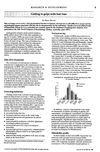
July 1997 in “Inpharma Weekly” Finasteride improves hair growth and satisfaction in men with male pattern baldness but may cause sexual side effects.
 January 2007 in “El Servicio de Difusión de la Creación Intelectual (National University of La Plata)”
 This study found that combining D-004 with finasteride results in more significant prevention of testosterone-induced prostate enlargement in rats compared to using either treatment alone.
 January 2023 in “Skin appendage disorders”
 This case report describes a patient who experienced proton-induced alopecia after proton therapy for a frontal meningioma, which was effectively treated with topical minoxidil, resulting in full hair regrowth after 4 months.
 August 2024 in “Biomolecules & Therapeutics”
 In this study, the researchers reported that a newly developed PYGL inhibitor, HTPI, enhanced hair growth in an ex-vivo culture by reducing oxidative damage in hDPCs and inhibiting glycogen degradation in hORSCs, showing potential as a treatment for hair loss comparable to minoxidil.
This study highlights the successful design of recombinant fortilin constructs for potential drug development targeting atherosclerotic plaque formation in cardiovascular disease.
53 citations
,
October 2011 in “Psychoneuroendocrinology” Finasteride may help improve certain brain function issues linked to dopamine.
40 citations
,
August 2005 in “JEADV. Journal of the European Academy of Dermatology and Venereology/Journal of the European Academy of Dermatology and Venereology” In this case report, a 3-year-old male with IFAP syndrome showed moderate improvement in skin symptoms and corneal erosions but no change in alopecia or photophobia after 6 months of acitretin therapy.
November 2021 in “Anais brasileiros de dermatologia/Anais Brasileiros de Dermatologia” This article describes a case of pruritic folliculitis of pregnancy, a rare, benign skin condition that occurs in the later stages of pregnancy and resolves after delivery without affecting maternal or fetal health.
 44 citations
,
February 2015 in “Journal of the American Academy of Dermatology”
44 citations
,
February 2015 in “Journal of the American Academy of Dermatology” This study found that combination therapy with diphenylcyclopropenone and anthralin was more effective for complete hair regrowth in chronic extensive alopecia areata than diphenylcyclopropenone alone, despite more common side effects.
 July 2015 in “Actas Dermo-Sifiliográficas”
 A young woman with a rare fungal infection showed significant improvement after treatment with antifungal medication.
3 citations
,
March 1981 in “Journal of Toxicology and Environmental Health” This study found that high doses of cloforex and chlorphentermine caused pulmonary lipid histiocytosis and toxic effects in rats, but did not induce pulmonary hypertension.
 September 2023 in “Medicina Estética Revista Científica de la Sociedad Española de Medicina Estética (SEME)”
 This research reported that the FDA approved Litfulo® (ritlecitinib) as the first oral treatment for severe alopecia areata in adolescents over 12 years old, with 23% of treated patients showing significant hair regrowth in clinical trials compared to 1.6% with placebo.
This review discusses seborrheic dermatitis and pityriasis sicca but reports no new clinical findings.
6 citations
,
May 2012 in “The Journal of Dermatology” This letter reports on a case of intractable ophiasis-type alopecia areata that was presumably improved by fexofenadine, but no new clinical results are presented.
62 citations
,
December 1941 in “Experimental biology and medicine” In this study, phenylthiocarbamide intake was associated with hair graying in rats, while switching to tap water led some rats to regain their original fur color, suggesting dietary factors influence pigmentation.
 1 citations
,
August 2021 in “International journal of cosmetic science (Print)”
1 citations
,
August 2021 in “International journal of cosmetic science (Print)” This study reported that using piroctone olamine in either a shampoo or leave-on product form significantly increased hair retention and improved scalp condition in women with perceived hair thinning.