 7 citations
,
July 2015 in “Parasitology Research”
7 citations
,
July 2015 in “Parasitology Research” This study found that the imidacloprid/flumethrin collar (Seresto®) is chemically compatible with major spot-on formulations and dermally and systemically safe for adult dogs and cats when used together.
13 citations
,
July 2003 in “Annals of the Rheumatic Diseases” This case report describes a 13-year-old girl with various autoimmune symptoms successfully treated with the antibiotic and immunomodulatory drug co-trimoxazole; its potential role in autoimmune disease treatment is explored.
 January 2017 in “Bulletin of Pharmaceutical Research”
 This study developed chemical fingerprints to differentiate Eclipta prostrata and Wedelia calendulacea, two plants often confused and adulterated in the Indian herbal market, identifying distinct chemical profiles that can prevent such adulteration.
 1 citations
,
April 2019 in “Journal of Investigative Dermatology”
1 citations
,
April 2019 in “Journal of Investigative Dermatology” This study concluded that the topical gel VB1953 reduced inflammatory and non-inflammatory acne lesions and resistant bacteria in patients with clindamycin-resistant acne, showing promise as an effective treatment.
 11 citations
,
July 2021 in “Physiologia Plantarum”
11 citations
,
July 2021 in “Physiologia Plantarum” In this study, the gene SlPHL1 was identified as a transcription factor in tomatoes that enhances phosphate starvation responses by upregulating specific genes.
5 citations
,
October 2001 in “British Journal of Ophthalmology” This abstract describes the initial success of intralesional cidofovir for SCC treatment and states that it has not shown systemic toxicity, but it does not report new clinical trial results.
 1 citations
,
November 2023 in “Indian Journal of Science and Technology”
1 citations
,
November 2023 in “Indian Journal of Science and Technology” In this study, researchers identified several active metabolites in Eclipta alba, demonstrated strong interaction with Alzheimer's disease proteins, and found that 28 days of treatment improved memory without significant toxicity in rats, suggesting potential pathways for treating Alzheimer's.
 12 citations
,
November 2020 in “Pharmacognosy Journal”
12 citations
,
November 2020 in “Pharmacognosy Journal” This study found that 1-butyl-3-methylimidazolium tetrafluoroborate is the optimal ionic liquid solvent for extracting quercetin from Nothopanax scutellarium leaves.
69 citations
,
March 2003 in “Journal of Experimental Botany” This study found that salinity stress in Arabidopsis thaliana root hairs may inhibit hair extension through changes in the tip-focused Ca(2+) gradient, while cytosolic pH remains unaffected.
This study found that ethanol and methanol extracts of Spirulina platensis did not exhibit cytotoxic activity on WiDr colon cancer cells.
 November 2023 in “Journal of Drugs in Dermatology”
 In this study, stabilized super-oxidized hypochlorous acid was used during and after hair transplant surgeries, reportedly reducing erythema and pruritus in over half of patients, with high compliance and no tissue necrosis observed.
 21 citations
,
November 2021 in “Biomolecules”
21 citations
,
November 2021 in “Biomolecules” This review compiles information on traditional uses, phytoconstituents, and biological activities of Eclipta prostrata but reports no new experimental results; the authors call for more studies to understand its pharmacological mechanisms.
This study found that while hydroxychloroquine was effective and safe for treating alopecia areata, patients using it experienced more relapses compared to those receiving betamethasone.
 45 citations
,
February 2018 in “Journal of basic and clinical physiology and pharmacology/Journal of basic & clinical physiology & pharmacology”
45 citations
,
February 2018 in “Journal of basic and clinical physiology and pharmacology/Journal of basic & clinical physiology & pharmacology” This review summarizes the ethno-medicinal uses, phytochemical constituents, and biological activities of Acorus calamus, highlighting its potential therapeutic benefits and the importance of further scientific work on this plant.
 47 citations
,
March 2018 in “Journal of Pharmaceutical and Biomedical Analysis”
47 citations
,
March 2018 in “Journal of Pharmaceutical and Biomedical Analysis” This study identified 43 compounds in Platycladi Cacumen, including flavonoids, and found significant chemical variation in flavonoid content across different regions and processed products.
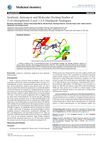 8 citations
,
January 2013 in “Medicinal chemistry”
8 citations
,
January 2013 in “Medicinal chemistry” This study reported that among 10 tested 2-(4-chlorophenyl)-5-aryl-1,3,4-oxadiazole compounds, compound 4c showed the highest activity against cancer cell lines, with a 95.37% average growth rate.
 3 citations
,
March 2019 in “Journal of Pigmentary Disorders”
3 citations
,
March 2019 in “Journal of Pigmentary Disorders” This presentation highlighted future directions in acne care, emphasizing the roles of topical and oral antibiotics, as well as skin microbiome studies. It also described how clascoterone targets androgen receptors in hair follicles and sebaceous glands to reduce sebum production.
 3 citations
,
August 2019 in “Journal of The American Academy of Dermatology”
3 citations
,
August 2019 in “Journal of The American Academy of Dermatology” Clascoterone safely promotes hair growth similar to minoxidil.
 April 2021 in “Research Square (Research Square)”
 This study found that the new cocrystal formulation KET-PABA improved the antimycotic efficiency of ketoconazole and induced an anti-inflammatory response without causing skin sensitization in mice.
1 citations
,
January 2023 in “IntechOpen eBooks” This review explores the advantages and drawbacks of the anticancer drug paclitaxel, noting its effectiveness in combination with cisplatin for breast cancer survival, its potential for treating non-cancer conditions, and the mechanisms behind its resistance.
January 2023 in “Indian Journal of Forensic and Community Medicine” This report describes two cases of thallium poisoning with gastrointestinal symptoms, peripheral neuropathy, and alopecia, which were effectively treated using activated charcoal, potassium chloride, and hemodialysis.
24 citations
,
January 2022 in “Journal of Nanobiotechnology” This study found that quaternary ammonium iminofullerenes (IFQA) can alleviate oxidative stress in maize caused by hydrogen peroxide, promoting root growth by enhancing antioxidant cycles and reducing ROS accumulation.
 7 citations
,
January 2009 in “Journal of Pharmacy Research”
7 citations
,
January 2009 in “Journal of Pharmacy Research” This study found that fractions of Tridax procumbens extract demonstrated significant antioxidant activity, comparable to standard ascorbic acid, in laboratory tests.
2 citations
,
May 1985 in “Environmental Health Perspectives” This report examines the mechanisms by which TCDD affects human epidermal and carcinoma cells, aiming to create a risk assessment model for halogenated aromatic compounds, but presents no new clinical results.
January 1988 in “Toxicological Sciences” In this study, a single oral dose of 2,3,4,7,8-pentachlorodibenzofuran in male Fischer rats led to dose-dependent toxicity, resulting in weight loss, hepatotoxicity, and mortality.
 84 citations
,
June 2010 in “The Plant Cell”
84 citations
,
June 2010 in “The Plant Cell” In this study, disruptions in phospholipase A2 activity in Arabidopsis thaliana significantly impaired the plasma membrane localization of PIN proteins, affecting auxin transport and root development.
 49 citations
,
October 2014 in “International Scholarly Research Notices”
49 citations
,
October 2014 in “International Scholarly Research Notices” This review explores the medicinal properties of Eclipta alba and its phytoconstituents and reports their potential for developing new drugs, but presents no new research results.
7 citations
,
October 2018 in “South African journal of botany” This study found that the plant Clausena anisata exhibited promising antimicrobial, antioxidant, and anti-inflammatory activities against acne-causing bacteria and inflammation, suggesting its potential as a candidate for further anti-acne treatment research.
51 citations
,
July 2003 in “Annals of the Rheumatic Diseases” This case study reports a successful use of co-trimoxazole in treating a 13-year-old girl with symptoms suggestive of autoimmune disorders and relapsing polychondritis.
 4 citations
,
October 2020 in “Research Square (Research Square)”
4 citations
,
October 2020 in “Research Square (Research Square)” In this study, hydroxychloroquine, nitazoxanide, and ivermectin demonstrated similar efficacy for overall clinical outcomes in COVID-19 when administered early with azithromycin, vitamins, and supplements, with nitazoxanide showing the strongest antiviral activity and safety profile among the three.