 September 2019 in “Journal of Investigative Dermatology”
 This study found that the clinical severity of hidradenitis suppurativa, evaluated through Hurley staging, VAS, PGA, and SAHS, significantly affects patients' work absenteeism and presenteeism, with presenteeism being more prevalent.
 20 citations
,
September 2019 in “Journal of Cosmetic Dermatology”
20 citations
,
September 2019 in “Journal of Cosmetic Dermatology” This study found that combining stromal vascular fraction with PRP injections significantly improved hair density and reduced hair loss more effectively than PRP alone in patients with androgenetic alopecia.
 4 citations
,
November 2011 in “Archives of Dermatology”
4 citations
,
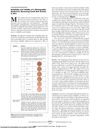
November 2011 in “Archives of Dermatology” This study describes a simple, noninvasive hair counting method used in a hair growth prevention trial, assessing its reliability and validity.
March 2026 in “International Journal of Dermatology” In this study, topical finasteride 0.25% showed sustained effectiveness over 52 weeks, especially in the frontotemporal areas of men with androgenetic alopecia, while maintaining an excellent safety profile.

This study reported that belimumab helped over 40% of active systemic lupus erythematosus patients achieve low disease activity, with more than 20% able to stop glucocorticoids completely.
January 2018 in “Digital Commons - PCOM (Philadelphia College of Osteopathic Medicine)” This systematic review of three randomized controlled trials found that topical eflornithine is an effective adjunctive therapy for reducing unwanted facial hair in women with hirsutism, with benefits lasting at least six months, although efficacy may diminish over time.
January 2023 in “International Journal of Trichology” This study concluded that adding low-level laser therapy to topical minoxidil did not significantly improve hair density in androgenetic alopecia patients compared to using minoxidil alone.
July 2022 in “Journal of Cosmetic Dermatology” This study found that in patients with frontal fibrosing alopecia, combining topical tacrolimus with isotretinoin is more effective after four weeks of treatment compared to tacrolimus with finasteride, though both regimens offered some benefit.
 2 citations
,
March 2016 in “The Journal of Dermatology”
2 citations
,
March 2016 in “The Journal of Dermatology” The researchers reported that the facial Psoriasis Log-based Area and Severity Index (fPLASI) more reliably and sensitively captured clinical improvement in facial psoriasis than the existing facial Psoriasis Area and Severity Index (fPASI).
January 2018 in “프로그램북(구 초록집)” In this study, intradermal injection of botulinum toxin type A significantly increased hair count and improved physician-assessed hair condition in men with male pattern baldness after 24 weeks, with no serious adverse events reported beyond temporary local pain and redness.
July 2014 in “Faculty Opinions – Post-Publication Peer Review of the Biomedical Literature” AA-PRP injections significantly promote hair growth but need better study design for clear efficacy.
November 2020 in “Journal of the American Academy of Dermatology” Intense pulsed light with radiofrequency showed mixed results in improving quality of life for hidradenitis suppurativa patients, with no clinical improvements.
August 2023 in “Asian Journal of Medical Sciences” This study found that microneedling with minoxidil led to better hair growth outcomes than microneedling with a hair multivitamin solution in male androgenetic alopecia patients, as measured by physician global assessment scores, despite some mild side effects like pain and bruising.
 August 2026 in “Journal of Clinical Medicine”
 In this study, researchers found that the management of alopecia areata in Poland is inadequate, despite following international guidelines, due to limited access to advanced treatments and insufficient use of severity assessments and psychosocial support.
 April 2023 in “Journal of Investigative Dermatology”
 This study found that patients receiving PRP treatments for various types of alopecia and skin rejuvenation had a higher risk of adverse events and lower self-assessment scores when injections were administered at shallower depths, with significant correlations between patient and physician assessments across different indications.
 1 citations
,
April 2019 in “Reumatología Clínica (English Edition)”
1 citations
,
April 2019 in “Reumatología Clínica (English Edition)” In this systematic review and meta-analysis, researchers found that methotrexate and leflunomide have similar efficacy for rheumatoid arthritis as first-line treatments, but methotrexate offered a greater reduction in swollen joints, while leflunomide was more associated with liver enzyme increases and fewer gastrointestinal side effects.
19 citations
,
October 2019 in “Clinical and Experimental Dermatology” This study found that spironolactone significantly reduced pain, lesion count, and disease severity in patients with hidradenitis suppurativa, as reported in multiple patient cohorts.
 5 citations
,
June 2016 in “TURKDERM”
5 citations
,
June 2016 in “TURKDERM” This review discusses various dermatological scoring systems used to objectively assess disease severity and guide treatment decisions, reporting no new clinical results.
 June 2026 in “Journal of General-Procedural Dermatology & Venereology Indonesia”
 This study concluded that oral tofacitinib significantly improved symptoms in patients with lichen planus pigmentosus who did not respond to conventional treatments, showing it as a viable alternative.
 March 2026 in “Aesthetic Plastic Surgery”
 This review discusses the integration of Artificial Intelligence in non-surgical cosmetic procedures, highlighting its potential to improve personalized aesthetic care and operational efficiency while addressing ethical and regulatory challenges; it presents no new clinical findings.
 48 citations
,
July 2018 in “Journal of The American Academy of Dermatology”
48 citations
,
July 2018 in “Journal of The American Academy of Dermatology” This study observed that treatment with spironolactone significantly improved pain, inflammatory lesion count, and HS-PGA scores among female patients with hidradenitis suppurativa, suggesting its potential as an effective treatment option, even at lower doses, despite no change in Hurley stage or fistula count.
 37 citations
,
September 2017 in “Reumatología Clínica”
37 citations
,
September 2017 in “Reumatología Clínica” In this systematic review and meta-analysis, methotrexate and leflunomide were compared for treating rheumatoid arthritis, showing similar efficacy overall. Methotrexate reduced swollen joints more effectively, while leflunomide was associated with fewer gastrointestinal side effects but more frequent liver enzyme increases.
 10 citations
,
January 2012 in “Annals of Dermatology”
10 citations
,
January 2012 in “Annals of Dermatology” In this study, 1.25 mg daily finasteride for 28 weeks showed minimal increase in hair density and thickness in normoandrogenic female pattern hair loss, but no significant clinical improvement was observed.
 August 2025 in “Indian Dermatology Online Journal”
 This study found that combining topical minoxidil with phototherapy significantly improved pigmentation and reduced vitiligo severity compared to placebo, as measured by VASI scores over 12 weeks, though the sample size was small and follow-up short.

This study observed that in a real-world clinical setting in Greece, belimumab effectively controlled disease activity in lupus patients and allowed for a reduction in glucocorticoid dosage, with more pronounced benefits seen in patients who were serologically active at the start of treatment.
 July 2026 in “Lasers in Medical Science”
 In this study, the Peninsula Timerevert Needle was found to provide effective treatment for skin photoaging and acne scars with less pain and shorter treatment duration compared to EndyMed, although it caused more bleeding.
 March 2025 in “Dermatologic Surgery”
 This study found that fractional radiofrequency microneedling may be as effective and safe as intralesional corticosteroid injections for treating patchy alopecia areata, with potentially fewer side effects.
 March 2024 in “Clinical, cosmetic and investigational dermatology”
 This study found that in healthy adult women, a collagen and antioxidant-rich treatment significantly improved skin elasticity, hydration, texture, and reduced wrinkles and hair fall over 56 days compared to a placebo, indicating its efficacy and safety.
 September 2019 in “Journal of Investigative Dermatology”
 In this study, dose-response modeling predicted that once-daily abrocitinib doses of 100 mg and 200 mg may provide a clinically meaningful response in treating moderate-to-severe atopic dermatitis compared to placebo.
In this retrospective study of alopecia areata patients across several European countries, researchers observed a notable reduction in SALT scores, but few patients reached or maintained a clinically significant SALT score of ≤20, indicating potentially limited effectiveness of current treatments for extensive hair loss.