 86 citations
,
July 2002 in “Clinical and Experimental Dermatology”
86 citations
,
July 2002 in “Clinical and Experimental Dermatology” This review discusses female pattern hair loss, emphasizing its complex causes and the limited treatment options available, and reports no new clinical results.
 April 2021 in “Journal of Investigative Dermatology”
 This trial found that intradermal injections of the Hair Stimulating Complex were well-tolerated and effectively stimulated hair growth and prevented hair loss in male pattern baldness participants over 18 weeks.
 March 2025 in “FEBS Journal”
 This study found that Epiprofin acts as a negative regulator of parathyroid hormone transcription, with potential implications for controlling PTH production in hyperparathyroidism.
 September 1997 in “BioMed Research International”
 This review discusses the current understanding of the epidemiology, pathogenesis, clinical manifestations, and diagnosis of female pattern hair loss and reports no new research results.
 2 citations
,
June 2011 in “Expert Review of Dermatology”
2 citations
,
June 2011 in “Expert Review of Dermatology” This review discusses the characteristics and management options for female pattern hair loss, highlighting the unclear role of androgens and the psychosocial impact, and reports no new clinical results.
 October 2020 in “Clinical and Experimental Dermatology”
 Hair loss improved after removing pituitary tumor.
July 2024 in “Journal of Investigative Dermatology” This study found that inhibiting the enzyme PDE8A can promote adipocyte differentiation and enhance hair growth in an animal model of androgenetic alopecia, suggesting PDE8A as a potential therapeutic target for restoring dermal adipogenesis and hair cycling.
 2 citations
,
January 2022 in “Journal of Investigative Dermatology”
2 citations
,
January 2022 in “Journal of Investigative Dermatology” This study reported that Hedgehog signaling in papillary fibroblasts is crucial for hair follicle regeneration during wound healing, emphasizing its potential for developing regenerative therapies in scarring wounds.
 24 citations
,
November 2019 in “Experimental Dermatology”
24 citations
,
November 2019 in “Experimental Dermatology” This review synthesizes current research on PPAR-γ signaling in hair follicle biology and its potential role in treating hair growth disorders like scarring alopecia and hirsutism, but reports no new clinical results.
 51 citations
,
May 2019 in “Biomaterials”
51 citations
,
May 2019 in “Biomaterials” This study developed a method for generating germ-like tissues called bbHFGs, which efficiently promoted hair follicle formation in mice, potentially advancing hair regenerative medicine applications.
 31 citations
,
August 2019 in “Regenerative Medicine”
31 citations
,
August 2019 in “Regenerative Medicine” This study found that the human placenta extracellular matrix hydrogel restored the hair-inductive capacity of high-passaged dermal papilla cells, enabling them to regenerate new hair follicles when co-grafted with mouse epidermal cells.
 234 citations
,
February 2001 in “British Journal of Dermatology”
234 citations
,
February 2001 in “British Journal of Dermatology” FPHL affects hair density and diameter, causing visible hair loss in older women.
4 citations
,
January 2021 in “Cell transplantation” This study found that human induced pluripotent stem cells differentiated precisely to express certain markers during a specific window could enable successful hair follicle generation when transplanted.
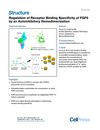 24 citations
,
July 2017 in “Structure”
24 citations
,
July 2017 in “Structure” In this study, researchers found that ligand homodimerization controls the receptor binding specificity of the FGF9 subfamily, preventing off-target activation of FGFR "b" isoforms.
14 citations
,
July 2021 in “Bioinformatics” This study demonstrates the use of rPanglaoDB, an R package for combining public single-cell datasets, to create the first unbiased transcriptome profile of fibrocytes, revealing their role in tissue healing.
 January 2024 in “Biological & pharmaceutical bulletin”
 In this study, Panax ginseng extract and its ginsenosides were found to stimulate the proliferation of hair-related cells and promote the transition from the telogen to the anagen phase, enhancing hair-shaft growth by suppressing BMP4 expression in human dermal papilla cells.
 October 2023 in “Research Square (Research Square)”
 This study demonstrated that polynucleotide gel injections effectively reduced hair shedding and increased hair thickness in both men and women with androgenetic alopecia, while maintaining a high safety profile and patient satisfaction.
 January 2024 in “International Journal of Trichology”
 In this laboratory study, researchers found that human platelet-rich plasma (hPRP) significantly improved the proliferation and hair-inductive capacity of human dermal papilla cells (hDPCs) compared to fetal bovine serum, suggesting hPRP as a potential substitute for FBS in expanding hDPCs for clinical hair regeneration therapies.
The researchers found that melatonin implantation in Cashmere goats influenced PDGFA gene expression and hair growth cycles, indicating it may control hair phase transformation from growth to catagen and telogen.
November 2019 in “British Journal of Dermatology” FOL-005 peptide may help treat excessive hair growth safely.
 45 citations
,
November 2017 in “Biomaterials”
45 citations
,
November 2017 in “Biomaterials” This study demonstrated a method for large-scale preparation of self-sorted hair follicle germs in vitro, which successfully generated hair follicles when transplanted into the skin of nude mice.
December 2023 in “Journal of Asia Pacific Aesthetic Sciences” This study found that a novel method of isolating human follicle stem cells from hair follicles via mechanical centrifugation, without culture conditions, promises to improve hair density in patients with Androgenetic Alopecia and some cases of Alopecia Areata.
 21 citations
,
November 2017 in “Scientific Reports”
21 citations
,
November 2017 in “Scientific Reports” This study found that prostaglandin D2 reduced proliferation in bulge resident K15+ stem cells but not in other K15+ progenitor cells, suggesting differential impacts on hair follicle stem cell niches.
 1 citations
,
April 2018 in “Journal of Investigative Dermatology”
1 citations
,
April 2018 in “Journal of Investigative Dermatology” In this study, researchers found that the variability in growth factor expression, particularly TGFβ1, in PRP samples could influence patient responses to hair loss treatment with PRP therapy.
April 2025 in “The Journal of Clinical Endocrinology & Metabolism” This study highlights the global prevalence of hirsutism in women and reviews its diagnostic criteria, potential underlying causes like polycystic ovary syndrome, and treatment options, emphasizing the need for tailored, multifaceted management and acknowledging the distress it causes patients.
 7 citations
,
May 2016 in “European Polymer Journal”
7 citations
,
May 2016 in “European Polymer Journal” This study found that biodegradable hyperbranched polyesters improved the solubility and loading capacity of hydrophobic drugs, with complete pyrene release achieved in 16 days under enzymatic conditions.
39 citations
,
January 2006 in “Journal of Cosmetic and Laser Therapy” This study found that pneumatic skin flattening (PSF) significantly reduces pain and post-treatment erythema during high-energy IPL and laser hair removal while enhancing treatment efficacy.
 May 2012 in “F1000Research”
 This research consisted of a Phase I/II study on androgenetic alopecia where male participants received intradermal injections of HSC, with hair growth efficacy assessed through Trichoscan imaging, although no new clinical results are reported.
July 2024 in “Journal of Investigative Dermatology” PRP preparation partially activates platelets, causing varied growth factor release.
 February 2022 in “Research Square (Research Square)”
 In this study, researchers successfully expressed recombinant human FGF5 protein in Arabidopsis, finding that this protein inhibits hair regeneration both in vitro and in vivo.