
This study evaluated machine-learning models to predict PCOS among reproductive-aged women in Bangladesh, finding that the XGBoost model achieved high accuracy (99.63%) and effectiveness, particularly when prioritizing clinical features over psychological ones in the predictive process.
 October 2025 in “Animal Bioscience”
 This study identified important lncRNAs and genes associated with cashmere shedding in goats and explored their regulatory interactions, providing insights into the molecular mechanisms that may underlie this phenomenon.
 January 2024 in “Research Square (Research Square)”
 This study identified key genes related to ischemic stroke through the ferroptosis pathway and highlighted the potential role of specific traditional Chinese medicines in regulating associated biological processes.
 December 2023 in “bioRxiv (Cold Spring Harbor Laboratory)”
 This study found that AP-2α and AP-2β transcription factors are crucial for maintaining adult skin homeostasis, with their inactivation in keratinocytes leading to impaired differentiation, hair abnormalities, and inflammation, highlighting their key regulatory roles.
 January 2023 in “Åbo Akademi University Research Portal”
 This study found that vimentin is essential for proper wound healing and cell growth by influencing EMT signaling and mTOR activity in mice.
 December 2021 in “Razrabotka i registraciâ lekarstvennyh sredstv”
 This study found that the gel form of substance Y led to more hair follicles in the growth phase than 2% minoxidil solution when applied for alopecia treatment in mice.
 April 2019 in “International research journal of pharmacy”
 This study found that a 50% ethanolic extract of Adiantum capillus had significant analgesic and anti-inflammatory effects in animals, particularly at the highest tested dose of 300 mg/kg.
 16 citations
,
December 2012 in “Bioinformation”
16 citations
,
December 2012 in “Bioinformation” This study suggests that natural molecules like curcumin, EGCG, barringtozenol, and finasteride may be effective inhibitors for VEGFR, potentially offering a cancer chemoprevention alternative to pazopanib.
 2 citations
,
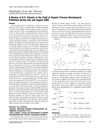
October 2004 in “Organic Process Research & Development”
2 citations
,
October 2004 in “Organic Process Research & Development” This review discusses U.S. patents in organic process development published in July and August 2004 and reports no new experimental results.
 April 2018 in “bioRxiv (Cold Spring Harbor Laboratory)”
 This study identified a specific genetic variant in the CCHCR1 gene that may contribute to alopecia areata through impaired keratinization, suggesting an alternative mechanism beyond autoimmune causes.
2 citations
,
January 2009 in “Human cell culture” 19 citations
,
September 1971 in “Journal of Investigative Dermatology”  April 2017 in “Journal of Investigative Dermatology”
 In this study, HPH-15, a newly synthesized compound, demonstrated potential in reducing skin fibrosis in a mouse model by targeting underlying pathogenic mechanisms and exhibited a good safety profile, warranting further clinical trials for fibrotic skin disorders like systemic sclerosis.
216 citations
,
June 2015 in “PLANT PHYSIOLOGY” This study found that OsPHR3 overexpression in rice led to significant tolerance to low-phosphorus stress and normal growth under normal conditions, suggesting its potential for improving phosphorus uptake efficiency.
546 citations
,
February 2008 in “PLANT PHYSIOLOGY” This study found that overexpression of OsPHR2 in rice leads to increased phosphate accumulation and root architecture changes even under phosphate-sufficient conditions.
39 citations
,
January 2006 in “Journal of Cosmetic and Laser Therapy” This study found that pneumatic skin flattening (PSF) significantly reduces pain and post-treatment erythema during high-energy IPL and laser hair removal while enhancing treatment efficacy.
January 2012 in “RWTH Publications (RWTH Aachen)” This study found that patient-derived HGF significantly accelerates wound healing in diabetic mice, particularly improving skin structure and flexibility, and rHGF plays a key role in boosting hair growth.
July 2025 in “Frontiers in Medicine” This study identified compound heterozygous mutations, c.1101del and c.736 T > A, in the LIPH gene responsible for causing autosomal recessive woolly hair in a child, with c.1101del being a novel frameshift mutation.
 11 citations
,
July 2021 in “Physiologia Plantarum”
11 citations
,
July 2021 in “Physiologia Plantarum” In this study, the gene SlPHL1 was identified as a transcription factor in tomatoes that enhances phosphate starvation responses by upregulating specific genes.
 October 2023 in “Facial Plastic Surgery”
 This article describes the PHAT technique for lip and facial rejuvenation but reports no new clinical findings; the technique aims to improve skin quality and enhance surgical outcomes.
This study found that selective deletion of PIKFyve kinase using a PF4 promoter in mice led to defective platelet lysosome biogenesis and a prothrombotic effect, with unexpected macrophage infiltration in multiple organs.
July 2026 in “JAAD reviews.” Female Pattern Hair Loss affects women's quality of life, with limited treatment options and a need for more research.
January 2015 in “DSpace@MIT (Massachusetts Institute of Technology)” This study found that overexpression of the metabolic enzyme PHGDH can promote cancer initiation and progression, highlighting its significant role in tumor cell proliferation and tumorigenesis.
3 citations
,
September 2024 in “Journal of Microbiology and Biotechnology” This study found that human placenta hydrolysate effectively inhibited atopic dermatitis development in stimulated human cells and a mouse model, suggesting its potential as a therapeutic agent for related skin diseases.
 234 citations
,
February 2001 in “British Journal of Dermatology”
234 citations
,
February 2001 in “British Journal of Dermatology” FPHL affects hair density and diameter, causing visible hair loss in older women.
April 2017 in “Journal of Pakistan Association of Dermatology” This study found that female pattern hair loss significantly impacts quality of life, suggesting that psychological support may enhance treatment adherence.
15 citations
,
November 2024 in “Materials” This review discusses the medical and dental applications of polyhydroxyalkanoates (PHAs), highlighting their potential for improving drug delivery and providing biocompatible solutions for medical devices, but reports no new clinical results.
 May 2025 in “Frontiers in Genetics”
 This study reported discovering a novel missense variant in a case of autosomal recessive woolly hair in a 31-year-old Chinese woman, which significantly reduced secretion of the encoded protein, likely leading to disease by impairing its hydrolytic function.
December 1998 in “福井大学教育学部紀要 第4部 教育科学” This study found that the bioconjugate nanoparticle HA-P5 significantly alleviated acne and reduced sebum production by inhibiting key signaling pathways without inducing unwanted protein expression that hinders acne treatment.
 August 2016 in “Journal of Investigative Dermatology”
 This case report identifies a novel LIPH gene mutation linked to autosomal recessive woolly hair/hypotrichosis in a Japanese boy, expanding the spectrum of known mutations associated with this condition.