1 citations
,
January 2025 in “Journal of Cosmetic Dermatology” Maintaining a balanced scalp microbiome can help reduce itchiness.
3 citations
,
August 2022 in “Molecules/Molecules online/Molecules annual” This study found that microbial adenosine and biotin treatments derived from Staphylococcus epidermidis Cicaria culture may help inhibit hair loss by maintaining the hair's growth phase.
6 citations
,
May 2022 in “Pharmaceutics” This study demonstrates that MPM-FLIM multimodal imaging can effectively assess the delivery and dissolution of zinc pyrithione particles in human skin follicles using different application techniques.
4 citations
,
October 2018 in “Skin appendage disorders” This article reviews the pros and cons of co-washing for hair cleansing and presents no new clinical results; the authors describe potential residue buildup as a drawback.
April 2025 in “Cosmetics” This study found that Clinopodium bolivianum essential oil, particularly in combing cream, demonstrated notable antioxidant activity, with potential applications as a natural antioxidant in cosmetic formulations.
 August 2023 in “Han'gug miyong haghoeji/Journal of the Korean society of cosmetology”
 In this study, text mining revealed that research on natural materials effective for hair—focusing on growth, damage, and dyeing—has increased since 2001, indicating rising academic interest and exploring trends in beauty-related topics.
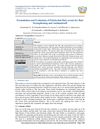 April 2026 in “International Journal of Allied Medical Sciences and Clinical Research”
 In this study, researchers formulated an herbal hair serum with plant extracts like Hibiscus and Nigella and observed that it demonstrated acceptable physical properties and potential anti-dandruff activity, proposing it as a safe and effective alternative to synthetic hair care products.
 January 2025 in “International Journal of Advanced Research in Science Communication and Technology”
 In this study, a herbal hair oil formulated using ingredients like Amla, garlic, and curry leaves significantly increased hair number and length, reduced hair growth completion time, and showed comparable effects to minoxidil, demonstrating anti-dandruff and other hair-enhancing properties with fewer side effects.
 January 2025 in “International Journal For Multidisciplinary Research”
 In this study, the researchers developed and evaluated eco-friendly poly-herbal soap strips using plant extracts from Lantana camara, Moringa Oleifera, and Corn silk, finding that the strips exhibited superior physicochemical properties and significant anti-fungal activity compared to conventional anti-fungal soaps.
 February 2024 in “Universal Library of Innovative Research and Studies”
 In this study, researchers found that the primary cause of slippage and detachment of keratin capsules in hair extensions is the re-contamination by oily residues from the hairdresser's hands, rather than the use of hair care products like masks or conditioners.
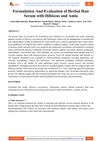 May 2026 in “International Journal of Versatile Research and Analysis”
 In this study, a polyherbal hair serum containing extracts of hibiscus petals and amla fruits showed significant antifungal activity against Candida albicans and exhibited satisfactory stability, physicochemical properties, and potential for improving hair health and reducing dandruff.
 October 2022 in “Southeast Asian journal of health professionals”
 This article discusses factors influencing hair greying, such as thyroid hormone levels and postmenopausal changes, and suggests lifestyle adjustments for hair health; it reports no new clinical findings.
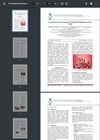
This study reports that a polyherbal hair mask made from ingredients like strawberry, amla, and fenugreek demonstrates effectiveness as a non-toxic alternative to chemical hair products, promoting hair growth and scalp nourishment while offering ease of use and stability.
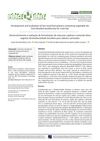 January 2026 in “Biomedical and Biopharmaceutical Research”
 This study found that formulations containing pequi and buriti oils improved texture properties and significantly increased gloss in curly hair, with pequi oil also significantly enhancing tensile strength.
 August 2025 in “International Journal of Applied Pharmaceutics”
 This study developed a stable nanoemulsion-based hair serum containing M. oleifera seed oil, which maintained its physical characteristics and reduced the oil's sticky texture, making it more suitable for hair loss treatment compared to traditional formulations.
 5 citations
,
April 2023 in “BMC Microbiology”
5 citations
,
April 2023 in “BMC Microbiology” This study found that using a shampoo containing heat-killed probiotics, GMNL-653, led to decreased dandruff and sebum production and increased hair growth in human participants, with observed microbiota shifts including changes in M. globosa and M. restricta abundance.
November 2025 in “Cosmetics” This study evaluated a levan-based polysaccharide, POLEVAN®, in shampoo formulations and reported that it significantly increased hair glossiness by 24%, allowed a reduction of surfactant content by up to 50% without affecting foam, and maintained scalp moisturization similar to hyaluronic acid in a clinical setting.
November 2022 in “Journal of Investigative Dermatology” This study suggests that the Anetholea anisita extract improved scalp health by increasing specialized pro-resolving mediators and reducing pro-inflammatory markers, leading to decreased dandruff and enhanced hair brightness in dandruff sufferers.
August 2025 in “Applied Sciences” This study found that peroxide-rich plasma-activated water caused minimal morphological damage to hair, while nitrate-rich plasma-activated water induced significant damage, especially in porous hair types.
November 2025 in “Advanced Healthcare Materials” This study found that incorporating CTA2-BADG, a modified hair-rebonding compound, into damaged hair significantly improved surface morphology and tensile strength by using charge-conversion chemistry to enhance penetration into the hair shaft.
This study reports the development of a natural hair-coloring system using size-controlled ink particles from cuttlefish ink combined with chitosan, achieving darker and more uniform black coloration on hair than existing plant-based natural colorants, without the need for metallic mordants.
143 citations
,
May 2022 in “Pharmaceuticals” This review discusses alginate-based delivery systems for probiotics, highlighting recent advances, challenges, and future directions, but reports no new clinical findings.
 198 citations
,
October 2011 in “Journal der Deutschen Dermatologischen Gesellschaft”
198 citations
,
October 2011 in “Journal der Deutschen Dermatologischen Gesellschaft” This article discusses the development of an evidence-based guideline for treating androgenetic alopecia and reports no new research results.
 5 citations
,
August 2018
5 citations
,
August 2018 This paper highlights the growing scientific interest in plant extracts for cosmetics due to their potential benefits, including antioxidant, antimicrobial, and protective properties, while emphasizing the need for quality and safety assessment to mitigate possible adverse reactions.
 3 citations
,
June 2004 in “Alternative and Complementary Therapies”
3 citations
,
June 2004 in “Alternative and Complementary Therapies” This article reviews the history, biology, genetics, prevention, conventional treatments, and herbal alternatives for hair loss, but reports no new research findings.
 1 citations
,
August 2004 in “Alternative & complementary therapies”
1 citations
,
August 2004 in “Alternative & complementary therapies” Non-drug methods like diet, supplements, and aromatherapy can help manage hair loss and its emotional impact.
 January 2025 in “International Journal of Advanced Biochemistry Research”
 This research proposes to investigate the incidence of skin diseases in dogs from North-eastern India linked to deficiencies in alpha-linolenic and linoleic acids, as these essential fatty acids have anti-inflammatory and immunomodulatory benefits potentially aiding inflammatory skin disease therapy.
 December 2020 in “International journal of research in ayurveda and pharmacy”
 This review covers hair anatomy, common hair diseases, diagnostic approaches, management, and hair care, but reports no new clinical findings; the authors highlight the importance of proper hair care knowledge.
 August 2024 in “Clinical and Medical Engineering Live”
 This abstract highlights that alopecia treatment requires moving beyond outdated methods to a sophisticated approach that considers the complex interplay between genetic susceptibility and immune response in different types of hair loss. Results are not reported.
 138 citations
,
August 1985 in “Journal of The American Academy of Dermatology”
138 citations
,
August 1985 in “Journal of The American Academy of Dermatology” Minoxidil promotes hair growth in male pattern baldness.