April 2011 in “Cancer Research” In this study, ginsenoside 20(S)-protopanaxadiol-aglycone (PPD) was shown to downregulate androgen receptor expression and inhibit tumor growth in prostate cancer cells.
September 2019 in “Journal of Investigative Dermatology” This study observed that PCE-DP may improve skin pigmentation by increasing epidermal turnover and inhibiting melanin uptake and inflammation in human epidermal keratinocytes.
22 citations
,
July 2021 in “Journal of Investigative Dermatology” 44 citations
,
July 1993 in “Journal of Investigative Dermatology”  22 citations
,
June 2018 in “Journal of Neuroinflammation”
22 citations
,
June 2018 in “Journal of Neuroinflammation” This study found that procyanidins effectively alleviate neuropathic pain in mice by significantly inhibiting MMP-9/2 activity.
39 citations
,
January 2008 in “World Journal of Gastroenterology” This report documents the first known case of acute inflammatory demyelinating polyneuropathy potentially linked to pegylated interferon-alpha 2a in a woman undergoing treatment for chronic hepatitis C.
This study found that isolated human scalp hair follicles express PGE2 genes and EP2 protein, suggesting PGE2 may play a crucial role in regulating hair growth.
6 citations
,
December 2019 in “Frontiers in genetics” In this study, animal model observations suggested that GLI1 expression may reduce cSCC initiation but is not involved in the tumor's aggressiveness.
18 citations
,
December 2016 in “European journal of pharmacology” In this study, 12-Chloracetyl-PPD showed anti-cancer activity by inhibiting cancer cell viability and inducing apoptosis through reactive oxygen species production without harming normal cells.
6 citations
,
September 2018 in “International Journal of Molecular Sciences” This study found that intramuscular injections of a PRP-derivative in healthy beagle dogs did not result in statistically significant changes in lumbar muscle tissue or IGF-1 blood concentration, suggesting the treatment may be safe at therapeutic doses.
38 citations
,
January 2017 in “Mediators of Inflammation” This study found that platelet-rich growth factor significantly reduced the release of proinflammatory cytokines in an in vitro rheumatoid arthritis model.
97 citations
,
December 2011 in “New England Journal of Medicine” This article discusses the FDA's decision not to approve 5α-reductase inhibitors for prostate cancer prevention, citing an increase in high-grade tumors but no mortality evidence, and reports no new results.
 143 citations
,
September 1991 in “Archives of Dermatology”
143 citations
,
September 1991 in “Archives of Dermatology” In this study, patients with generalized pustular psoriasis were classified into subgroups to better understand the disease's variability and assist in treatment selection, highlighting the role of localized infections in triggering flares.
 7 citations
,
July 2018 in “Journal of Functional Biomaterials”
7 citations
,
July 2018 in “Journal of Functional Biomaterials” This study evaluated a new anti-baldness product, IPSTiC patch hair, designed to treat androgenetic alopecia, and reported that it effectively inhibits NO radical and 5α-reductase activity while maintaining safety and stability, suggesting its potential for topical use.
12 citations
,
June 2025 in “Gut Microbes” This study developed BroadAMP-GPT, a computational-experimental framework, to discover new antimicrobial peptides, identifying candidates effective against multidrug-resistant pathogens. Notably, AMP_S13 showed strong stability, low toxicity, and efficacy in infection models, highlighting the platform's potential in combating antimicrobial resistance.
 21 citations
,
November 2017 in “Scientific Reports”
21 citations
,
November 2017 in “Scientific Reports” This study found that prostaglandin D2 reduced proliferation in bulge resident K15+ stem cells but not in other K15+ progenitor cells, suggesting differential impacts on hair follicle stem cell niches.
8 citations
,
July 2024 in “Cells” In this review, researchers explored how PGC-1α might improve aged skin barrier function by influencing mitochondrial function and reducing inflammation, factors that are linked to epidermal health during aging.
 April 2023 in “Journal of Investigative Dermatology”
 This study found that PX-12 inhibited the NLRP3 inflammasome and reduced psoriasis-like symptoms in a mouse model, suggesting its potential as a treatment for psoriasis.
June 2026 in “Journal of Cosmetic Dermatology” CGF-PF may improve hair loss treatment by targeting hair follicle stem cells more effectively.
 2 citations
,
September 2022 in “Cellular and molecular biology”
2 citations
,
September 2022 in “Cellular and molecular biology” In this study, Agaricus bisporus derived β-Glucan particles demonstrated antimicrobial, antioxidant, and anticancer effects against cervical cancer HeLa cells, suggesting potential as a therapeutic option.
19 citations
,
January 2019 in “Animals” This study suggests that PDGFA and BMP2 play a role in the hair follicle cycle in cashmere goats, with PDGFA particularly involved in activating the growth phase.
 February 2024 in “Experimental Dermatology”
 In this study, researchers found that IGFBP‐rP1 levels were lower in individuals with androgenic alopecia compared to healthy controls, and subcutaneous injection of IGFBP‐rP1 showed potential in slowing hair loss progression in a mouse model by affecting the hair cycle transition.
22 citations
,
August 2022 in “Molecular Metabolism” This study identified a crucial role for epidermal Pgc-1α in regulating NAD+ signaling and influencing skin repair, with its dysfunction contributing to age-related wound healing defects.
21 citations
,
November 2019 in “Molecular & Cellular Proteomics” This study found that citrullinated proteins, which are implicated in rheumatoid arthritis, were abundant in outer membrane vesicles from Porphyromonas gingivalis but nearly absent in mutants, validating their approach to citrullinated peptide identification.
 12 citations
,
August 2021 in “International Journal of Biological Macromolecules”
12 citations
,
August 2021 in “International Journal of Biological Macromolecules” This study observed that Poria cocos polysaccharides and finasteride both reduced inflammation in chronic nonbacterial prostatitis in rats, but only Poria cocos polysaccharides reversed related changes in the gut microbiota.
 1 citations
,
October 2024 in “Cureus”
1 citations
,
October 2024 in “Cureus” This review suggests that platelet-rich plasma injections may be an effective treatment for greater trochanteric pain syndrome, but emphasizes the need for more high-quality trials to confirm these findings.
16 citations
,
November 2011 in “Neuroscience Letters” This study reported that progesterone reduces cell death in hippocampal cultures following oxygen–glucose deprivation mainly through its conversion to allopregnanolone and the involvement of GABAA receptors.
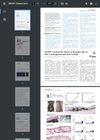 December 2023 in “The journal of investigative dermatology/Journal of investigative dermatology”
 In a mouse model study, researchers observed that the absence of MCPIP1 in myeloid cells decreased susceptibility to chemically induced skin papillomas but caused significant hair loss and skin pigmentation changes, suggesting a role for MCPIP1 in skin carcinogenesis and follicle integrity.
December 1981 in “ビジネスコミュニケ-ション” In this study, TRPV1 signaling was found to play a critical, previously unrecognized role in human sebocyte biology, and targeting this pathway may offer a new approach for managing inflammatory sebaceous gland disorders like acne.
July 2024 in “Journal of Investigative Dermatology” PRP preparation partially activates platelets, causing varied growth factor release.