 February 2026 in “Archives of Dermatological Research”
 In this study, microneedle-assisted delivery of polyglutamate significantly improved hair parameters, scalp symptoms, and quality of life in androgenetic alopecia patients, with no serious adverse reactions reported.
1 citations
,
January 2018 in “bioRxiv (Cold Spring Harbor Laboratory)” This study developed a mouse model to mimic PHGDH gene copy number gain, finding that increased PHGDH expression leads to abnormal melanin production, which may offer insights into its role in melanoma.
 November 2024 in “NeoReviews”
 Pallister-Killian Syndrome is a complex genetic disorder requiring coordinated care and genetic counseling.
This article explores the potential applications of polyglutamic acid in cosmetics, discussing its benefits for skincare and haircare, but reports no new experimental results.
 28 citations
,
November 2013 in “The journal of investigative dermatology/Journal of investigative dermatology”
28 citations
,
November 2013 in “The journal of investigative dermatology/Journal of investigative dermatology” This study found that the selective PPARγ modulator GMG-43AC may inhibit unwanted hair growth by inducing catagen phase while preserving hair follicle epithelial progenitor cells, suggesting potential in anti-hirsutism therapy.
103 citations
,
April 2005 in “Experimental dermatology” This study found that PGF2alpha analogues and PGE2 stimulated hair follicle activity in mice, with PGF2alpha analogues also linked to potential side effects like poliosis when used as eye treatments.
 August 2024 in “Biomolecules & Therapeutics”
 In this study, the researchers reported that a newly developed PYGL inhibitor, HTPI, enhanced hair growth in an ex-vivo culture by reducing oxidative damage in hDPCs and inhibiting glycogen degradation in hORSCs, showing potential as a treatment for hair loss comparable to minoxidil.
 January 2008 in “Annals of Nutrition and Metabolism”
 This study suggests that a specific region upstream of the TGF-β1 gene may play a key role in androgenetic alopecia by regulating gene expression in a cell-specific manner.
 March 2026 in “Indian Dermatology Online Journal”
 This report details a case study where a 40-year-old woman experienced allergic contact dermatitis and angioedema-like symptoms after using PPD-containing hair dye. Patch testing confirmed a positive reaction to PPD, highlighting the substance's potential to cause both T-cell and IgE-mediated hypersensitivity reactions.
6 citations
,
December 2023 in “Journal of Molecular Cell Biology” In this study, Gsdma1/2/3 knockout mice showed reduced epidermal hyperplasia and inflammation when induced by PMA, which was attributed to decreased EGFR-Stat3/Akt signaling due to a decrease in related ligands.
 70 citations
,
February 2017 in “Dermatologic Surgery”
70 citations
,
February 2017 in “Dermatologic Surgery” This study reports that plasma rich in growth factors appeared to improve hair follicle regeneration and patient satisfaction in individuals with androgenetic alopecia, though further trials are needed.
 September 2024 in “Cureus”
 This case report describes how changing treatment from adalimumab to guselkumab successfully controlled both pustulotic arthro-osteitis and paradoxical skin reactions in a patient with palmoplantar pustulosis.
 39 citations
,
January 2019 in “Cells”
39 citations
,
January 2019 in “Cells” This review discusses the molecular mechanisms of Hutchinson-Gilford progeria syndrome and evaluates current research trends, available mouse models, and prospects for developing therapies, but reports no new clinical findings.
 August 2026 in “Clinical Cosmetic and Investigational Dermatology”
 In this study, combining Polynucleotides High Purification Technology with hyaluronic acid significantly reduced atrophic post-acne scar areas and improved Goodman-Baron scores in a majority of treated patients over six months, reaffirming the approach's beneficial effects in a real-world outpatient setting.
2 citations
,
September 2023 in “Journal of the American Academy of Dermatology”  June 2020 in “The journal of investigative dermatology/Journal of investigative dermatology”
 This pilot study suggests that a new preparation of platelet-rich plasma gel may improve symptoms and tissue regeneration in patients with en coup de sabre scleroderma, though further trials are needed to clarify its role.
2 citations
,
September 2018 in “Clinical and Experimental Dermatology” This study found that pemphigus-associated alopecia indicates severe and treatment-resistant pemphigus, with higher disease activity and antibody levels compared to patients without alopecia.
 November 2025 in “PARIPEX-INDIAN JOURNAL OF RESEARCH”
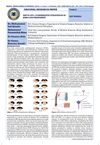
 GFC is more effective than PRP for treating hair loss.
 9 citations
,
August 2014 in “European journal of ophthalmology”
9 citations
,
August 2014 in “European journal of ophthalmology” This study found that PGF 2α receptors were predominantly present in the inner root sheath of the bulb and stem of human eyelashes during the anagen phase.
12 citations
,
August 2001 in “PubMed” This study found that contrast enhanced phototrichogram (CE-PTG) significantly improved detection of various hair types and growth stages in androgenetic alopecia compared to standard PTG and was comparable to biopsy analysis.
 April 2023 in “The journal of investigative dermatology/Journal of investigative dermatology”
 This study found that local PGE2 injection may prevent radiotherapy-induced hair loss by protecting hair follicle cells and promoting hair follicle self-repair.
1 citations
,
November 2022 in “Diagnostics” This case report identifies a 32-year-old woman with undiagnosed PHPT-1a who exhibited complete pseudo-anodontia and persistent patchy alopecia areata, suggesting these may be new nonclassical features of a GNAS pathogenic variant.
3 citations
,
January 2018 in “International Journal of Trichology” The authors concluded that their new grading system can effectively classify early female pattern hair loss and evaluate treatment progress.

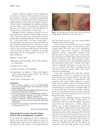
The project developed and tested a method using plasma rich platelets to treat hair loss.
 3 citations
,
May 2011 in “Journal of the American Academy of Dermatology”
3 citations
,
May 2011 in “Journal of the American Academy of Dermatology” This case report describes a 54-year-old woman who developed hypertrichosis around a leg ulcer while using PGE1 ointment, suggesting a potential side effect of the treatment.
 1 citations
,
January 2025 in “Frontiers in Pharmacology”
1 citations
,
January 2025 in “Frontiers in Pharmacology” This review discusses the therapeutic and pharmacological potential of total glucosides of paeony in dermatological treatment and notes the need for more rigorous scientific studies.
 1 citations
,
April 2018 in “Journal of Investigative Dermatology”
1 citations
,
April 2018 in “Journal of Investigative Dermatology” In this study, researchers found that the variability in growth factor expression, particularly TGFβ1, in PRP samples could influence patient responses to hair loss treatment with PRP therapy.
November 2024 in “bioRxiv (Cold Spring Harbor Laboratory)” This study introduced a novel scarless healing material called pgPE, made from a porous UHMWPE nanomembrane, and found that it promotes complete skin reconstruction and hair follicle regeneration by alleviating hypoxia and modulating immune responses to foster scar-free wound healing.
May 2023 in “Zenodo (CERN European Organization for Nuclear Research)” This study reports a case of pyoderma gangrenosum in a patient with rheumatoid arthritis, emphasizing the need to consider it as a differential diagnosis when ulcerative skin lesions resemble vasculitis.
1 citations
,
November 2024 in “Blood” This study found that inhibiting the PI3Kδ enzyme in murine models of cutaneous chronic graft-versus-host disease (cGVHD) reduced skin scores and fibrosis, prevented pathogenic lymphoid structures, and improved survival, suggesting it as a promising therapeutic approach to address the disease's hypoxic pathophysiology.