 21 citations
,
May 1976 in “Archives of Dermatology”
21 citations
,
May 1976 in “Archives of Dermatology” This article discusses perioral dermatitis and reports no new results; the authors present two cases implicating fluoride toothpaste as a potential cause.
 January 2006 in “Yearbook of Dermatology and Dermatologic Surgery”
 Most studies on perioral dermatitis treatment are of low quality, with some agreement on oral tetracycline effectiveness and stopping steroids and cosmetics.
This study reviewed various dermatological conditions associated with oral contraceptive use, highlighting increased pigmentation, decreased sebum production, and changes in hair growth, among other effects.
81 citations
,
February 2014 in “Clinics in dermatology” This review discusses the potential role of Demodex mites in various human skin conditions, including acneiform eruptions and folliculitis, but reports no new research findings.
1 citations
,
January 2019 in “Jordan Medical Journal” This study found that zinc deficiency is relatively common among Jordanian children with dermatological conditions, highlighting the need for careful assessment due to its subtle and varied clinical presentation.
 August 2024 in “Turkish Journal of Pediatric Disease”
 This case report details a 5-month-old infant with acrodermatitis enteropathica, linked to zinc deficiency from total parenteral nutrition, who showed improvement using zinc spray and cream, contrasting with typical literature outcomes.
June 2016 in “Annals of the Rheumatic Diseases” This study found that glucocorticoid use in rheumatoid arthritis patients is associated with dose-dependent risk of Cushingoid habitus, easy bruising, skin atrophy, and impaired wound healing, while other skin adverse effects are rare at lower doses.

This chapter offers detailed histopathologic insights into various pilosebaceous unit diseases, discussing diagnosis without reporting new results.
July 2012 in “DOAJ (DOAJ: Directory of Open Access Journals)” This study shows that many acne patients use topical steroids despite their association with various skin side effects, such as worsened acne, perioral dermatitis, and telangiectasias.
January 2012 in “Journal of Islamic International Medical College” This study found that 62% of acne patients used topical steroids, which were associated with several skin side effects like aggravation of lesions and perioral dermatitis.
This article discusses the potency grading of steroid skin creams and highlights that very potent or potent steroids (grades I and II) can cause significant side effects, especially in children.
 July 1976 in “Archives of Dermatology”
 This article explores whether juxta-clavicular beaded and cutis punctata linearis colli are the same condition, finding both similarities and differences, but reports no new definitive findings.
 5 citations
,
April 2013 in “Nasza Dermatologia Online”
5 citations
,
April 2013 in “Nasza Dermatologia Online” This study reports no new clinical results on oral zinc therapy for acrodermatitis enteropathica but provides demographic data and symptom prevalence among thirty affected children.
 July 2014 in “Disease-a-Month”
 The document gives treatment advice for various skin conditions, like using metronidazole for perioral dermatitis and minoxidil for hair loss.
 2 citations
,
January 2014 in “Springer eBooks”
2 citations
,
January 2014 in “Springer eBooks” The book details skin conditions in older adults, their link to mental health, cancer treatment importance, hair loss remedies, and managing autoimmune and itchy skin.
 January 2024 in “Jurnal Ilmu Kesehatan Hewan”
 In this veterinary case report, a mixed breed dog with Malassezia dermatitis showed significant improvement and hair regrowth after 28 days of treatment with ketoconazole and other supportive therapies.
 15 citations
,
July 2002 in “Australasian Journal of Dermatology”
15 citations
,
July 2002 in “Australasian Journal of Dermatology” In this case report, two plywood mill workers developed allergic contact dermatitis due to exposure to uncured phenol-formaldehyde resin, not sawdust as initially suspected.
 July 2023 in “Clinical, cosmetic and investigational dermatology”
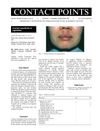
 In this study, reflectance confocal microscopy was used to diagnose periorificial dermatitis, revealing specific skin changes such as hair follicle dilatation, increased vascular density, and inflammation, which help distinguish it from similar conditions.
 38 citations
,
June 2005 in “Contact Dermatitis”
38 citations
,
June 2005 in “Contact Dermatitis” This case report describes a patient with an allergic sensitization to minoxidil, indicating that such patients should pursue alternative therapies to treat androgenetic alopecia.
 July 2026 in “Buletin Veteriner Udayana”
 In this case report, combination therapy effectively resolved chronic malasseziosis within 28 days in a small-breed dog from a Southeast Asian tropical climate, with significant symptom improvement and reduced Malassezia density observed by week 4.
 1 citations
,
April 2024 in “Veterinary Science and Medicine Journal”
1 citations
,
April 2024 in “Veterinary Science and Medicine Journal” In this study, a mixed breed dog with Malassezia fungal dermatitis and tick infestation showed notable improvement after 14 days of treatment with itraconazole, loratadine, fish oil, sebasol shampoo, and multivitamins, with reduced skin symptoms and hair regrowth observed.
 June 2019 in “International journal of dermatology and venereology”
 This case report highlights a 73-year-old man developing rosacea-like dermatitis after taking icotinib hydrochloride for NSCLC, suggesting awareness of this side effect is important for clinicians.
 April 2023 in “Jurnal Sain Veteriner”
 This case report describes a Persian cat with Acute Moist Dermatitis triggered by ectoparasite infestation and complicated by systemic infection, which required intensive treatment including antiparasitics and antibiotics.
November 2023 in “Вопросы современной педиатрии” This study reported that genetic testing is crucial for accurately diagnosing hypotrichosis, especially in cases with subtle symptoms or coexisting severe atopic dermatitis, as demonstrated in a young girl with a DSG4 gene mutation.
 10 citations
,
April 2013 in “Veterinary dermatology”
10 citations
,
April 2013 in “Veterinary dermatology” In this study, four dogs with a novel skin disease showed clinical lesions involving verrucous, crusted papules and plaques, and responded variably to immunosuppressive therapy, suggesting an immune-mediated cause.
 July 2016 in “Australasian Journal of Dermatology”
 This article provides issue information and does not include an abstract or any new research findings.
 January 2016 in “Journal of the turkish academy of dermatology”
 In this study, researchers found that acne vulgaris and warts were the most common dermatological conditions among pediatric patients in Turkey, with patterns varying by age and gender.
 75 citations
,
May 2013 in “Journal of the American Academy of Dermatology”
75 citations
,
May 2013 in “Journal of the American Academy of Dermatology” This review examines skin symptoms, diagnosis, and treatment of zinc deficiency in children, proposing a classification system but reporting no new clinical results.
 11 citations
,
October 2011 in “Allergologia et immunopathologia”
11 citations
,
October 2011 in “Allergologia et immunopathologia” A girl with Netherton syndrome was able to eat wheat without allergies after a special treatment.
 December 2025 in “Cureus”
 In this report, successful management of inherited acrodermatitis enteropathica, a zinc absorption disorder due to an SLC39A4 gene defect, was demonstrated in an infant through zinc supplementation.