September 2019 in “Journal of Investigative Dermatology” This study found that patients with vitiligo report the highest willingness-to-pay for disease control and cure compared to those with other chronic skin conditions, suggesting DLQI may not fully capture treatment priorities.
 April 2023 in “Journal of Investigative Dermatology”
 This study found that treprostinil, a prostacyclin analog, significantly delayed fibroblast migration from healthy donors but did not affect fibroblast migration derived from diabetic foot ulcers.
16 citations
,
October 2013 in “Anais Brasileiros de Dermatologia” In this case report, an elderly woman with erosive pustular dermatosis of the scalp showed complete closure of eroded areas after treatment with prednisone and topical tacrolimus, resulting in stable scarring alopecia.
 10 citations
,
October 2015 in “Journal of the International Association of Providers of AIDS Care”
10 citations
,
October 2015 in “Journal of the International Association of Providers of AIDS Care” This case report describes a severe form of HIV-associated pityriasis rubra pilaris in a dark-skinned woman that improved rapidly and sustainably with combination antiretroviral therapy, despite atypical presentation without significant erythroderma.
May 2025 in “JEADV Clinical Practice” This study found that using calcipotriene and betamethasone dipropionate cream in a real-world setting significantly improved clinical outcomes and patient quality of life for adults with mild-to-moderate scalp psoriasis, especially among those with higher adherence, demonstrating high treatment satisfaction.
18 citations
,
January 2021 in “Theranostics” This study found that actively targeted AN2728-loaded nanocarriers reduced inflammation and improved skin condition in a mouse model of psoriasiform inflammation compared to free drug and non-targeted nanoparticles.
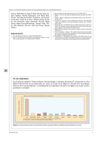
The document corrects a mistake by stating that pimecrolimus, not tacrolimus, is the drug that concentrates in the skin.
 33 citations
,
February 2019 in “Journal of Tissue Engineering and Regenerative Medicine”
33 citations
,
February 2019 in “Journal of Tissue Engineering and Regenerative Medicine” This review discusses the use of platelet-rich plasma for various dermatological conditions and highlights the need for more research to standardize its protocols and understand its biological mechanisms.
 10 citations
,
June 2011 in “Archives of Dermatology”
10 citations
,
June 2011 in “Archives of Dermatology” Finasteride caused blisters on hands and feet.
34 citations
,
July 2013 in “Clinical Cosmetic and Investigational Dermatology” This study observed that while topical drug therapy for erosive pustular dermatosis rarely leads to complete resolution, surgery may achieve remission in male patients.
 May 2011 in “Value in Health”
 This study found that the oral Janus kinase inhibitor CP-690,550 has a direct effect on reducing pruritus in patients with psoriasis, independent of clinician-assessed improvements in psoriasis severity.

This review discusses recent advances in polydopamine-based biomaterials and their growing potential in personalized medicine, but reports no new experimental results; the authors highlight both opportunities and challenges for future applications.
 3 citations
,
April 2021 in “PLoS ONE”
3 citations
,
April 2021 in “PLoS ONE” The authors concluded that controlling voltage, pulse width, and calcium concentration in pulse electric field-activated platelet-rich plasma enhances the release of growth factors and serotonin without causing clot formation, suggesting potential clinical advantages over bovine thrombin-activated PRP.
71 citations
,
December 2018 in “Journal of Pain Research” This study suggests that controlling variables during platelet-rich plasma preparation and application may improve its reliability and effectiveness in providing long-term relief from chronic pain.
 24 citations
,
November 2019 in “Dermatologic Surgery”
24 citations
,
November 2019 in “Dermatologic Surgery” This review evaluates the use of platelet-rich plasma in dermatology, highlighting favorable outcomes in several areas, especially androgenetic alopecia, despite a lack of large randomized controlled trials and consistency in protocols.
39 citations
,
January 2006 in “Journal of Cosmetic and Laser Therapy” This study found that pneumatic skin flattening (PSF) significantly reduces pain and post-treatment erythema during high-energy IPL and laser hair removal while enhancing treatment efficacy.
 24 citations
,
August 2017 in “Prostaglandins & Other Lipid Mediators”
24 citations
,
August 2017 in “Prostaglandins & Other Lipid Mediators” This review discusses the potential roles of prostaglandin D2 and its receptor CRTH2 in various diseases beyond allergies and asthma and reports no new clinical results.
 16 citations
,
November 2019 in “Dermatologic Surgery”
16 citations
,
November 2019 in “Dermatologic Surgery” This review examines the current evidence for platelet-rich plasma in dermatology, finding favorable outcomes particularly for androgenetic alopecia, but highlights the need for more rigorous clinical trials and standardized protocols.
 4 citations
,
June 2021 in “Wounds-a Compendium of Clinical Research and Practice”
4 citations
,
June 2021 in “Wounds-a Compendium of Clinical Research and Practice” This study observed that erosive pustular dermatosis of the scalp in elderly patients was effectively treated with high-potency topical steroids, with plasma and lymphocyte dermal infiltrates helping to confirm diagnosis.
 July 2023 in “Clinical, cosmetic and investigational dermatology”
 In this study, reflectance confocal microscopy was used to diagnose periorificial dermatitis, revealing specific skin changes such as hair follicle dilatation, increased vascular density, and inflammation, which help distinguish it from similar conditions.
 182 citations
,
November 2017 in “Molecular Aspects of Medicine”
182 citations
,
November 2017 in “Molecular Aspects of Medicine” This review discusses various therapeutic strategies targeting platelet-derived growth factor signaling in diseases like cancer and atherosclerosis, and evaluates existing treatments without presenting new clinical data.
 June 2020 in “Journal of Investigative Dermatology”
 This study found that FDA-cleared devices for preparing platelet-rich plasma showed inconsistent product quality, with variable platelet counts and inadequate quality control performance, suggesting clinical improvement may not rely on platelet concentration.
 April 2016 in “Journal of Investigative Dermatology”
 This study found that the peptide derivative beta-Ala-Pro-Dab-NHbenzyl may reduce wrinkles and sebum production in human skin by inhibiting dipeptidyl peptidase 4, suggesting potential for acne and skin inflammation treatment.

This study found that proretinal nanoparticles, applied topically, are safe and effective for penetration into hair follicles, enhancing retinoid biological activity in the skin while reducing irritation compared to conventional retinal formulations.
1 citations
,
September 2024 in “Journal of the American Academy of Dermatology” Physician responses are better than ChatGPT for dermatology questions.
 1 citations
,
February 2020 in “International journal of research in dermatology”
1 citations
,
February 2020 in “International journal of research in dermatology” This review discusses the potential applications of platelet rich plasma in dermatology and cosmetology for conditions like alopecia and skin rejuvenation and reports no new clinical findings.

This source explains that Equine Cushing’s disease, or PPID, in horses is due to the degeneration of brain cells producing dopamine, leading to elevated cortisol levels and characteristic symptoms; it outlines diagnosis methods and emphasizes life-long pergolide treatment to manage the condition.
 4 citations
,
April 2025 in “Scientific Reports”
4 citations
,
April 2025 in “Scientific Reports” This study found that platelet-rich plasma can transiently inhibit bacterial growth in vitro against multidrug-resistant strains from diabetic foot infections, although its efficacy diminished over time and did not affect biofilm formation.
1 citations
,
February 2023 in “IntechOpen eBooks” This chapter discusses photodynamic therapy and its potential applications beyond cancer treatment, including conditions like alopecia and angina, but reports no new clinical findings.
 October 2021 in “Dermatology reports”
 The care model improved timely diagnosis and treatment for psoriasis and psoriatic arthritis.