38 citations
,
January 2017 in “PPAR Research” This review discusses the role of PPAR-γ in the pathogenesis of primary cicatricial alopecia, including its involvement in lichen planopilaris and treatment trials using PPAR-agonists, and reports no new clinical results.
 January 2017 in “Dermatology Review”
 This article discusses skin lesions in chronic graft-versus-host disease and highlights the importance of coordinated care between haematologists and dermatologists for effective management; it presents no new clinical results.
 11 citations
,
June 2012 in “Journal of Dermatological Science”
11 citations
,
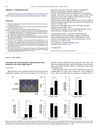
June 2012 in “Journal of Dermatological Science” This article reviews how aging affects skin and stem cells, but it contains no new research findings.
 2 citations
,
September 2013 in “Serbian Journal of Dermatology and Venereology”
2 citations
,
September 2013 in “Serbian Journal of Dermatology and Venereology” This study found a high prevalence of sexually transmitted infections, particularly anogenital warts and syphilis, among HIV-infected adults in Serbia, underscoring the importance of education on safe sex practices.
1 citations
,
August 2019 In this study, researchers developed a pemphigus mouse model expressing anti-Desmocollin 3 antibodies and found it mimicked atypical pemphigus with distinct pathological features compared to the standard Desmoglein 3 model.
 March 1998 in “Journal of dermatological science”
 Diphencyprone initially increases mouse hair growth, then slows it, possibly due to changes in specific protein levels.
 January 2023 in “Turk Dermatoloji Dergisi”
 In a single case study, researchers reported increased hair density using a trypsin-isolated cell suspension containing CD34 and CD200 positive cells for treating grade III androgenetic alopecia.
January 2018 in “Journal of Investigative Dermatology” This quiz article provides a series of dermatological diagnosis questions based on a Journal of Investigative Dermatology article and includes explanations but reports no original research findings.
 37 citations
,
April 2017 in “npj Regenerative Medicine”
37 citations
,
April 2017 in “npj Regenerative Medicine” This study found that platelet-derived growth factor signaling is crucial for maintaining the hair follicle dermal stem cell pool and supporting their regenerative capacity.
 September 2023 in “International Journal of Dermatology”
 In this study, FAPD was characterized in a Chinese population by perifollicular mast cell infiltration, suggesting young individuals may be at higher risk than previously thought.
 3 citations
,
May 2018 in “Journal of Cosmetic Dermatology”
3 citations
,
May 2018 in “Journal of Cosmetic Dermatology” This study reported that the most reliable way to differentiate alopecia areata from androgenic alopecia is by detecting intrafollicular CD3 and CD8 cell density, with CD3 being the most specific and sensitive marker.

This study found that injecting sFRP4 into mouse skin partially inhibited hair follicle regeneration, suggesting a potential therapy for hair follicle regeneration disorders.
3 citations
,
April 2012 in “Cancer research” This study reports that side-population stem cells, distinct from hair follicle stem cells, may play a significant role in the malignant progression of squamous cell carcinomas in mice.
 28 citations
,
March 2010 in “Histochemistry and Cell Biology”
28 citations
,
March 2010 in “Histochemistry and Cell Biology” This study identified specific markers that can distinguish between stem cells in different regions of human scalp hair follicles, offering potential strategies for cell sorting and purification based on these markers.
 9 citations
,
April 2016 in “Australasian journal of dermatology”
9 citations
,
April 2016 in “Australasian journal of dermatology” This study suggests that adding imiquimod to diphenylcyclopropenone treatment significantly improves outcomes for alopecia areata patients who initially do not respond to diphenylcyclopropenone alone.
January 2022 in “Galicia Clínica” This report documents a rare case of alopecia universalis in an HIV-positive patient in Portugal, highlighting the changing comorbidity spectrum in this population due to increased life expectancy from antiretroviral therapy.
July 2025 in “Journal of Investigative Dermatology” This study found that both desmoglein-specific and non-desmoglein autoantibodies may play active roles in Pemphigus vulgaris pathogenesis, with HLA genetics influencing autoimmune specificity.
 14 citations
,
August 2018 in “Frontiers in Cellular and Infection Microbiology”
14 citations
,
August 2018 in “Frontiers in Cellular and Infection Microbiology” This study found that dengue virus infection caused inflammation and cell death in human hair-follicle dermal papilla cells, which may contribute to increased hair shedding observed during the epidemic in Taiwan.
 2 citations
,
May 2019 in “Advances in wound care”
2 citations
,
May 2019 in “Advances in wound care” In this study, nondermal-derived CD34+ cells from adult peripheral blood were found to enhance wound healing and contribute to hair follicle neogenesis and skin regeneration.
57 citations
,
April 2009 in “Differentiation” This study demonstrates that SDF-1/CXCL12 and CXCR4 signaling play a crucial role in directing the migration and positioning of melanoblasts in mouse hair follicle formation.
September 2017 in “Journal of Investigative Dermatology” This study found that photodynamic therapy achieved permanent removal of nonpigmented hair in mice after multiple sessions, unlike laser treatment, which was not effective for nonpigmented hair.
 May 2015 in “Journal of The American Academy of Dermatology”
 This study suggests that blood microarray biomarkers may help predict individual treatment response in psoriasis patients, highlighting a distinct blood signature related to inflammation, interferon, and myeloid lineage transcripts.

This study found that γδTregs can prevent and treat alopecia areata in a mouse model with human scalp transplants, suggesting potential for cell-based therapies in autoimmune diseases like alopecia.
January 2026 in “Journal of Investigative Dermatology” This study found that human γδTregs promoted hair regrowth and restored hair follicle immune privilege in a model of alopecia areata, suggesting potential for cell-based therapy in autoimmune diseases.
July 2025 in “Journal of Investigative Dermatology” Alopecia areata involves complex immune cell interactions, especially between CD8+ T cells and macrophages, which could help develop new treatments.
 April 2020 in “Research Square (Research Square)”
 In this study, PBMCs from women with PCOS showed reduced TNF-α production over time, potentially limiting their antitumor response to breast cancer cell lines compared to healthy controls.
 10 citations
,
January 2013 in “Journal of skin cancer”
10 citations
,
January 2013 in “Journal of skin cancer” In this study, PKC ε transgenic mice exposed to ultraviolet radiation showed increased hair follicle stem cell frequency and altered gene expression compared to wild-type mice, suggesting a potential role in skin cancer susceptibility.
31 citations
,
October 1992 in “PubMed” This study demonstrated immunological cross-reactivity between mycobacterial heat-shock protein 65 and human epidermal cytokeratin 1/2, suggesting that this cross-reactive epitope might play a role in skin diseases.
56 citations
,
September 2010 in “Veterinary pathology” This study found that certain C57BL/6 mouse substrains have a genetic vulnerability to skin lesions resembling central centrifugal cicatrical alopecia in humans, potentially worsened by high vitamin A levels.
February 2020 in “Central Plains Medical Journal” In this study, combining thalidomide with CHOP treatment showed a significantly higher effective rate in treating peripheral T-cell lymphoma compared to CHOP alone, while both regimens were associated with similar levels of adverse reactions.