1 citations
,
October 2025 in “Micromachines” This review highlights the potential of integrating point-of-care testing with allele-specific amplification techniques like AS-PCR, AS-LAMP, and AS-RPA to improve the efficiency, accuracy, and affordability of genotyping single nucleotide polymorphisms associated with human diseases.
January 2026 in “Biomaterials” 1 citations
,
August 2021 in “Journal of Investigative Dermatology” ASLAN004 was safe and well-tolerated, supporting further development for treating certain diseases.
 7 citations
,
March 2021 in “Molecular Medicine Reports”
7 citations
,
March 2021 in “Molecular Medicine Reports” This study demonstrated that culturing high-passage dermal papilla cells with specific supplemented conditioned media may preserve their hair-inducing abilities, suggesting potential for reconstructing new hair follicles in vivo.
 37 citations
,
May 2007 in “International Journal of Pharmaceutics”
37 citations
,
May 2007 in “International Journal of Pharmaceutics” The study concluded that poly(propylene carbonate maleate) microspheres effectively encapsulated finasteride, achieving a biphasic release with prolonged drug release over 5-6 weeks in vitro.
 April 2023 in “The journal of investigative dermatology/Journal of investigative dermatology”
 This study reports that CD200R expression is significantly reduced in an experimental mouse model of scarring alopecia, suggesting a potential role for this pathway in immune regulation and hair follicle protection.
 13 citations
,
April 2020 in “Experimental Cell Research”
13 citations
,
April 2020 in “Experimental Cell Research” This study found that knockdown of PCAT1 inhibited hair follicle regeneration in nude mice by disrupting the miR-329/Wnt10b axis and Wnt/β-catenin signaling, highlighting PCAT1's role in promoting follicle regrowth.
 2 citations
,
January 2007 in “Acta Dermato Venereologica”
2 citations
,
January 2007 in “Acta Dermato Venereologica” In this report, a case of a bullous lesion developed at the injection site in a patient treated with PEG-IFN-α-2a for chronic hepatitis C was described.
April 2014 in “Investigative Ophthalmology & Visual Science”  February 2025 in “PubMed”
 In this study, researchers evaluated CS12192, a selective JAK3 inhibitor, in an alopecia areata mouse model and found it reversed hair growth inhibition comparably to baricitinib, with better safety and similar immune-modulating mechanisms.
September 2025 in “Institutional Repositories DataBase (IRDB)” 2 citations
,
May 2011 in “Journal of Clinical Oncology” This study found that paclitaxel poliglumex showed limited effectiveness and was relatively well tolerated in post-menopausal women with advanced NSCLC, suggesting further testing of this treatment may not be justified.
 28 citations
,
December 2018 in “Plant, cell & environment/Plant, cell and environment”
28 citations
,
December 2018 in “Plant, cell & environment/Plant, cell and environment” This study found that the PLC2 gene plays a critical role in auxin-mediated root development in Arabidopsis, influencing root growth and PIN2 distribution.
 3 citations
,
March 2012 in “Actas Dermo-Sifiliográficas”
3 citations
,
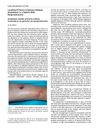
March 2012 in “Actas Dermo-Sifiliográficas” An elderly man with skin amyloidosis and abnormal blood proteins was monitored without finding widespread disease after 18 months.
 April 2019 in “Journal of Investigative Dermatology”
 This study identifies a mechanism where dsRNA activates TLR3 to induce RA production, promoting hair follicle regeneration in mice and suggesting a potential role in human tissue regeneration.
4 citations
,
April 2012 in “The journal of investigative dermatology/Journal of investigative dermatology” This study developed a mouse model lacking keratin 16 to replicate palmoplantar lesions, which may help uncover the molecular mechanisms driving these lesions in pachyonychia congenita and focal non-epidermolytic palmoplantar keratoderma.
12 citations
,
June 2015 in “Dermatology Reports” This study found that discoid lupus erythematous was the most common type of primary cicatricial alopecia, predominantly affecting middle-aged women.
 April 2017 in “The journal of investigative dermatology/Journal of investigative dermatology”
 This study reports that 71% of patients treated with the gamma-secretase inhibitor PF-03084014 for desmoid tumors experienced dermatologic side effects, such as follicular lesions and pruritic eruptions, which were managed with topical or systemic treatments.
 5 citations
,
October 2019 in “The journal of investigative dermatology/Journal of investigative dermatology”
5 citations
,
October 2019 in “The journal of investigative dermatology/Journal of investigative dermatology” This study identified a high-risk allele in the PLCD1 gene associated with hereditary trichilemmal cyst formation, proposing a monoallelic two-hit mechanism as the underlying genetic pathogenesis.
 15 citations
,
October 2015 in “PLOS ONE”
15 citations
,
October 2015 in “PLOS ONE” This study developed the Chi-PCOSQ, a culturally adapted Chinese assessment tool for measuring health-related quality of life in women with polycystic ovary syndrome, showing promising reliability and validity.
 16 citations
,
May 2000 in “Endocrinology”
16 citations
,
May 2000 in “Endocrinology” This study identified a new gene, mrp4, in mice, which suggests it may have a unique role in the growth and development of hair follicles in the ears and tails.
1 citations
,
February 2025 in “Journal of the Neurological Sciences” This study suggests that BTP levels in cerebrospinal fluid might help diagnose CIDP and predict therapy response but require validation in larger cohorts.
17 citations
,
October 2011 in “International Journal of Immunopathology and Pharmacology” This study found that after 24 weeks of DPCP treatment for alopecia areata, there was a significant increase in new capillaries and hair regrowth detectable by videocapillaroscopy.
 June 2026 in “Journal of cancer research updates”
 This study conducted in an Iraqi oncology setting found generic Palbociclib to have a safety profile consistent with previous data, with observed side effects including high rates of neutropenia and anemia, particularly among patients receiving it with Fulvestrant.
May 2026 in “Carbohydrate Polymer Technologies and Applications” This study found that the carbohydrate-based excipient β-cyclodextrin forms a stable inclusion complex with the active ingredient of Minoxicapil®, potentially enhancing its formulation for hair-loss treatment, and in vitro assays suggest improved proliferation of DPC cells, supporting its use in topical treatments.
December 2004 in “Reproduction Fertility and Development” This study used porcine models to isolate and culture stem cells from brain and hair follicles, shedding light on differentiation processes and potential markers for stem cell compartments under lab conditions.
 September 2024 in “Genes”
 This study found that overexpressing CRABP1 in dermal papilla cells promotes their proliferation and influences key genes in the Wnt/β-catenin signaling pathway, which may offer insights into mechanisms controlling hair follicle development.
 7 citations
,
February 2010 in “British Journal of Dermatology”
7 citations
,
February 2010 in “British Journal of Dermatology” A woman with a rare autoimmune disorder had a blister on her eye and unique immune reaction, which was effectively treated with medication.
 August 2026 in “Zenodo (CERN European Organization for Nuclear Research)”
 In this study, a 26-year-old woman with polycystic ovarian disease and advanced hair loss (Ludwig Grade III) showed reduced hair shedding and improved hair density after four sessions of platelet-rich plasma combined with microneedling, with no reported adverse effects.
13 citations
,
February 2012 in “International Journal of Dermatology” This case report identifies a novel nonsense mutation in the CDH3 gene associated with hypotrichosis and juvenile macular dystrophy.