 3 citations
,
February 2021 in “Experimental dermatology”
3 citations
,
February 2021 in “Experimental dermatology” This study observed that using 3D dermal papilla microtissues enhances hair follicle regeneration and gene expression compared to 2D cultures, indicating their potential for hair growth drug screening.
44 citations
,
October 2016 in “Epilepsia” This study demonstrated that the glycolytic inhibitor 2-deoxy-D-glucose enhances antiseizure effects by potentiating extrasynaptic tonic GABAergic inhibition through neurosteroidogenesis in hippocampal slices.
 1 citations
,
October 2025 in “Nano Research”
1 citations
,
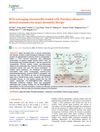
October 2025 in “Nano Research” In this study, researchers developed a dissolvable microneedle patch combining HA-TEMPO and Portulaca oleracea L.-derived nanoparticles, which effectively reduced oxidative stress and inflammation in an atopic dermatitis model while restoring immune balance, suggesting a promising treatment strategy.
11 citations
,
August 2021 in “Stem Cell Research & Therapy” This study found that coadministration of pimecrolimus may interfere with the therapeutic efficacy of mesenchymal stem cell therapy in atopic dermatitis.
November 2005 in “CRC Press eBooks” This article reviews the development and challenges of skin penetration enhancers, highlighting their limitations in compatibility and safety, and reports no new clinical findings.
 July 2024 in “The journal of investigative dermatology/Journal of investigative dermatology”
 In a pilot study with 21 patients, the niostem device increased hair counts and density and enhanced testers’ self-perception of hair growth at 6 months without reported adverse effects, suggesting potential benefits for androgenetic alopecia.
 September 2021 in “Physiology News”
 This abstract appears to consist entirely of repeated color specifications and logo guidelines, providing no research findings or new results.
January 2024 in “Wiadomości Lekarskie” This pilot clinical study introduces DEC cells as a novel therapy for Duchenne muscular dystrophy, confirming safety and efficacy in seven patients up to 24 months post-treatment.
46 citations
,
November 2004 in “Lipids” This study suggests PPAR isotypes play distinct roles in skin, influencing epidermal barrier formation, sebocyte differentiation, and lipid production, with potential implications for treating skin disorders.
69 citations
,
October 2014 in “Stem Cells” This study found that PDGF-D acts as a potent mitogenic factor in adipose-derived stem cells, enhancing their proliferation, migration, and growth factor expression, suggesting its use as a preconditioning agent for ASC transplantation.
 October 2023 in “Ho Chi Minh City Open University Journal of Science - Engineering and Technology”
 This study established a protocol to isolate and culture dermal papilla cells from human hair follicles, suggesting alkaline phosphatase activity as a key marker to differentiate them from human fibroblasts.
29 citations
,
September 2018 in “Journal of the American Heart Association” This study found that EP 2 signaling is crucial for macrophage recruitment and inflammatory regulation in the injured heart, impacting cardiac repair processes.
 April 2023 in “Journal of Investigative Dermatology”
 This study found that adults with atopic dermatitis who were treated with baricitinib at doses of 2mg or 4mg experienced significant improvements in work productivity, potentially leading to substantial indirect cost savings for employers over 16 weeks.
47 citations
,
October 2021 in “Journal of Nanobiotechnology” This study found that hollow polydopamine nanoparticles enhanced the regenerative potency of the peptide RL-QN15, suggesting potential for improved therapeutic approaches in skin wound healing.
1 citations
,
January 2024 in “Pharmaceuticals” The researchers reported that dPGS-PCL as a carrier improved the penetration of tofacitinib in an ex-vivo human skin model compared to free tofacitinib, but did not show significant differences in inhibiting IL-6 and IL-8 during short incubation.
 December 2023 in “bioRxiv (Cold Spring Harbor Laboratory)”
 This study found that AP-2α and AP-2β transcription factors are crucial for maintaining adult skin homeostasis, with their inactivation in keratinocytes leading to impaired differentiation, hair abnormalities, and inflammation, highlighting their key regulatory roles.
 8 citations
,
January 2021 in “Pharmaceutics”
8 citations
,
January 2021 in “Pharmaceutics” This study found that using nanoporous silica entrapped lipid-drug complexes enhanced the solubility and bioavailability of dutasteride in beagle dogs.
2 citations
,
October 2025 in “Cells” This review discusses the multifunctional role of PKM2 in promoting cardiac repair and regeneration, highlighting its potential as a therapeutic target in cardiovascular medicine, but reports no new experimental results.
 6 citations
,
April 2010 in “Cellular Reprogramming”
6 citations
,
April 2010 in “Cellular Reprogramming” The study characterized the transcriptional changes in porcine SKP cells transitioning to fibroblast-like cells, indicating potential roles for specific signaling pathways in this cell fate transition.
 10 citations
,
December 2015 in “International Journal of Molecular Sciences”
10 citations
,
December 2015 in “International Journal of Molecular Sciences” This study suggests that PDCD4 regulates keratinocyte proliferation and contact inhibition, playing a role in epidermal homeostasis and wound healing.
 January 2017 in “Nasza Dermatologia Online”
 This study found that both new and old formulas of DCP for treating alopecia areata resulted in similar hair regrowth, but tolerance was significantly better with DCP in isopropanol.
 December 2025 in “Zenodo (CERN European Organization for Nuclear Research)”
 In this study, the researchers reported that Chyavanaprasam K Tab, a novel Ayurvedic tablet, showed consistent quality and safety, offering potential benefits for fatigue relief, immune support, and hair growth, and is suitable for diabetics due to its sugar-free composition.
February 2022 in “Authorea (Authorea)” This report presents a case of a seven-year-old girl with porokeratotic adnexal ostial nevus manifesting as hyperkeratotic verrucous papules on her left foot.
 18 citations
,
October 2021 in “Frontiers in Physiology”
18 citations
,
October 2021 in “Frontiers in Physiology” This review summarizes recent research on the molecular properties and functions of L-PGDS and PGD2, but reports no new findings, highlighting their pathophysiological roles and guiding future studies.
 13 citations
,
August 2013 in “Journal of pharmaceutical sciences”
13 citations
,
August 2013 in “Journal of pharmaceutical sciences” This study found that a transdermal delivery system using 3% azone and P407 gel may enhance the skin permeation of doxazosin and finasteride for treating benign prostatic hyperplasia.
2 citations
,
January 2016 in “Gynecological Endocrinology” This case report describes a patient with polyglandular autoimmune syndrome type 2 diagnosed via adrenal crisis, with thyroid, adrenal, and ovarian involvement.
August 2026 in “Fabad Journal of Pharmaceutical Sciences” This study developed a Neusilin® US2-based solid self-nanoemulsifying drug delivery system for finasteride that showed improved stability and drug delivery, with complete dissolution comparable to standard Propecia® tablets.
62 citations
,
November 2022 in “Acta Pharmaceutica Sinica B” This study reported that an injectable hydrogel based on platelet-rich plasma and laponite improved wound healing in diabetic and normal rats by enhancing angiogenesis and macrophage polarization.
December 2024 in “Journal of Health and Beauty” In laboratory conditions, this study found that the Dongeui Hot Spring Water Complex, containing sea slug extract, demonstrated enhanced antioxidant activity and promoted hair papilla cell proliferation compared to a control, suggesting potential benefits for scalp health and hair loss prevention.
 205 citations
,
March 2012 in “Science Translational Medicine”
205 citations
,
March 2012 in “Science Translational Medicine” PGD2 stops hair growth and is higher in bald men with AGA.