May 2018 in “University Library - University of Saskatchewan (University of Saskatchewan)” This study found that in women with polycystic ovary syndrome, a pulse-based diet was more effective than the TLC diet at improving insulin sensitivity and cardiometabolic risk factors, although both diets improved PCOS-specific health outcomes.
 January 2021 in “Journal of Shaheed Suhrawardy Medical College”
 This study found that treatment with oral contraceptives containing 35mg ethinylestradiol and 2mg cyproterone acetate significantly reduced serum AMH levels in women with clomiphene citrate-resistant polycystic ovary syndrome, unlike metformin.
November 2022 in “Frontiers in Medicine” This study found no direct association between androgenetic alopecia and metabolic syndrome in the Chinese population, though AGA was closely linked with higher systolic blood pressure in men.
26 citations
,
December 2020 in “International Journal of Molecular Sciences” This review explores current and emerging treatments for polycystic ovary syndrome, focusing on managing hyperandrogenism and cardiometabolic risk, but reports no new clinical results.
 19 citations
,
March 2022 in “International Journal of Environmental Research and Public Health”
19 citations
,
March 2022 in “International Journal of Environmental Research and Public Health” This review covers the neuroendocrine aspects of polycystic ovary syndrome, focusing on hormones and neurotransmitters like GnRH and kisspeptin, but does not report new clinical findings.
 11 citations
,
November 2017 in “Hong Kong Medical Journal”
11 citations
,
November 2017 in “Hong Kong Medical Journal” This review discusses the increased cardiometabolic risk associated with polycystic ovary syndrome and highlights the need for tailored management, but it reports no new results.
7 citations
,
May 2014 in “Iranian Red Crescent medical journal” This case study describes a 17-year-old female with severe hirsutism diagnosed with PCOS, NC-CAH, and HAIR-AN syndrome who was successfully treated based on her specific underlying conditions.
5 citations
,
October 2022 in “Frontiers in Genetics” This study presents the first documented case of a woman with Alström syndrome successfully conceiving and giving birth, highlighting the importance of managing systemic comorbidities during pregnancy.
 4 citations
,
August 2021 in “Clinical and Experimental Reproductive Medicine”
4 citations
,
August 2021 in “Clinical and Experimental Reproductive Medicine” This review highlights key clinical recommendations from the 2018 international guidelines on PCOS management and questions if these guidelines will be widely adopted in practice.
 March 2026 in “Nutrients”
 This study found that hair manganese levels did not vary by acute coronary syndrome or stable coronary artery disease severity, but a modest, non-significant correlation with body mass index suggests a potential link between manganese homeostasis and cardiometabolic status that warrants further investigation.
 February 2026 in “Veterinary Sciences”
 This study found that SPARC-overexpressing adipose-derived mesenchymal stem cells significantly improved various aspects of skin wound healing in dogs, including re-epithelialization, collagen deposition, and angiogenesis, showing promise for enhancing treatment effectiveness under different physiological and pathological conditions.
 April 2023 in “Clinical Chemistry and Laboratory Medicine”
 The document concludes that inflammation markers can be used in diabetes, vitamin D3 affects immune pathways, hyperthyroidism changes hormone levels, androgen levels help diagnose Adrenocortical Carcinoma, erectile dysfunction is linked to diabetes, hypogonadism is common in HIV-infected males, and hormones can be biomarkers for various conditions.
 September 2022 in “Women's healthcare”
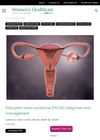
 This review discusses various aspects of polycystic ovary syndrome, including its prevalence, diagnosis, and treatment options, and reports no new empirical results.
 September 2022 in “Biomedicines”
 This study found that lipid accumulation product (LAP) and free androgen index (FAI) can highly predict liver steatosis in women with PCOS phenotype A.
 7 citations
,
August 2023 in “EClinicalMedicine”
7 citations
,
August 2023 in “EClinicalMedicine” This study reported that anti-androgens combined with lifestyle modifications were more effective than metformin and lifestyle in reducing hirsutism and certain hormonal measures in women with PCOS, but they were not more effective than a placebo combined with lifestyle changes.
 3 citations
,
May 2022 in “The journal of investigative dermatology/Journal of investigative dermatology”
3 citations
,
May 2022 in “The journal of investigative dermatology/Journal of investigative dermatology” In this study, researchers found that skin pigmentation alterations in a mouse model of Carney complex may be caused by specific dermal fibroblasts promoting melanogenic signaling.
7 citations
,
October 2018 in “Journal of Mind and Medical Sciences” This study highlights the need for further exploration and stratification of diagnosis and treatment for diabetes mellitus type 3c, a form secondary to chronic pancreatitis.

This study found that CYP21A2 gene mutations are the most common cause of non-classic congenital adrenal hyperplasia, while CYP11B1 mutations are rare and may partially impair enzyme activity.
138 citations
,
August 2020 in “Frontiers in Endocrinology” This review discusses expert consensus on PCOS, emphasizing its impacts and supporting evidence-based treatments, while recommending further research into nutraceutical benefits for managing the condition; it reports no new clinical results.
105 citations
,
March 2006 in “Human reproduction” This study found that metformin treatment improved health-related quality-of-life, emotional well-being, and sexual satisfaction among women with PCOS, correlated with weight loss and menstrual cycle normalization.
45 citations
,
May 2022 in “Biomedicines” This review discusses using human follicular fluid in metabolomic analysis as a diagnostic tool and predictor of success in assisted reproductive technology for PCOS patients, reporting no new results.
 37 citations
,
October 2021 in “Nutrients”
37 citations
,
October 2021 in “Nutrients” This study discusses the potential association between low vitamin D levels and insulin resistance, suggesting that vitamin D deficiency may contribute to disorders like obesity and diabetes, but emphasizes the need for further research to confirm these links.
 30 citations
,
January 2023 in “EFSA journal”
30 citations
,
January 2023 in “EFSA journal” This review establishes a tolerable upper intake level of 255 μg/day for selenium in adults, warning that supplements and Brazil nuts may cause excess intake.
29 citations
,
September 2023 in “Journal of Clinical Medicine” This study found that semaglutide significantly reduced body weight in almost 80% of obese PCOS patients unresponsive to lifestyle changes, often normalizing menstrual cycles with few side effects.
 17 citations
,
July 2015 in “Biomolecules and Biomedicine”
17 citations
,
July 2015 in “Biomolecules and Biomedicine” This study found that women with PCOS had higher levels of Nesfatin-1 and lower levels of vitamin D, which may be linked to increased blood pressure and potential hypertension.
8 citations
,
May 2005 in “Fertility and Sterility” In this study, women with the GG polymorphism of the MMP1 gene promoter were found to have a higher likelihood of being diagnosed with polycystic ovary syndrome.
 6 citations
,
August 2023 in “Fertility and Sterility”
6 citations
,
August 2023 in “Fertility and Sterility” This review details the 2023 International Guideline update for assessing and managing polycystic ovary syndrome, which provides evidence-based recommendations to improve care and patient outcomes but notes the remaining low to moderate quality of evidence.
6 citations
,
December 2021 in “International Journal of Endocrinology” This study found that the INSR His1058 C/T SNP does not increase the risk of developing PCOS among Kashmiri women.
5 citations
,
January 2024 in “Advances in Pharmacological and Pharmaceutical Sciences” This review explored the biological properties of Punica granatum, noting its antioxidant, anti-inflammatory, and antimicrobial activities, and highlighted its potential as a therapeutic agent for various conditions; however, more extensive clinical trials are needed to confirm its effectiveness and safety.
 5 citations
,
February 2023 in “Journal of Clinical Medicine”
5 citations
,
February 2023 in “Journal of Clinical Medicine” This review discusses the challenges in diagnosing PCOS in adolescents due to overlapping symptoms with normal puberty and reports no new clinical findings, emphasizing the need for more research on treatment options.