 8 citations
,
April 1990 in “Hormone and Metabolic Research”
8 citations
,
April 1990 in “Hormone and Metabolic Research” This study found that a combination of cyproterone acetate and ethinyl estradiol over one year did not affect glucose tolerance but increased total cholesterol, HDL cholesterol, and triglycerides in patients with moderate hyperandrogenism.
 February 2020 in “Diabetologie Und Stoffwechsel”
 This article reviews treatment strategies for polycystic ovary syndrome, specifically recommending letrozole for infertility, while also discussing lifestyle changes and other potential therapies, and reports no new research findings.
 48 citations
,
January 2018 in “Scientific Reports”
48 citations
,
January 2018 in “Scientific Reports” This pilot study found that hair metabolome analysis may help differentiate pregnancy complications from healthy pregnancies by revealing significant metabolite differences between trimesters.
 41 citations
,
September 2014 in “Journal of Pharmacy and Pharmacology”
41 citations
,
September 2014 in “Journal of Pharmacy and Pharmacology” This study found that melatonin significantly improved metabolic and reproductive parameters in PCOS-induced rats, with effects similar to metformin.
 33 citations
,
September 2014 in “Reproductive Biology and Endocrinology”
33 citations
,
September 2014 in “Reproductive Biology and Endocrinology” In this study, elevated afamin concentrations were associated with metabolic syndrome in young women, particularly those with insulin resistance, suggesting a potential predictive role for afamin in metabolic risk assessment.
 28 citations
,
May 2018 in “Scientific reports”
28 citations
,
May 2018 in “Scientific reports” This study found that exercise decreases the expression of 5αR1, thereby enhancing the PI3K/AKT signaling pathway in PCOS rats.
 26 citations
,
June 2014 in “Fertility and Sterility”
26 citations
,
June 2014 in “Fertility and Sterility” In this study, normal weight adolescents with PCOS showed increased insulin resistance and significantly lower levels of high molecular weight adiponectin compared to controls, despite no other metabolic differences.
 14 citations
,
September 2014 in “Journal of Pediatric and Adolescent Gynecology”
14 citations
,
September 2014 in “Journal of Pediatric and Adolescent Gynecology” This study found that irregular menstrual cycles in Brazilian adolescents were significantly associated with a higher occurrence of metabolic syndrome and polycystic ovary syndrome indicators.
 11 citations
,
April 2019 in “International Journal of Molecular Sciences”
11 citations
,
April 2019 in “International Journal of Molecular Sciences” This study found that genetic polymorphisms of OCT1 influence the effectiveness of metformin treatment in improving insulin sensitivity among PCOS patients, suggesting a role for personalized treatment strategies.
 11 citations
,
January 2012 in “International Journal of Endocrinology”
11 citations
,
January 2012 in “International Journal of Endocrinology” In this study, the prevalence of insulin resistance in reproductive-aged Thai women with polycystic ovary syndrome was found to be 20%, with age, waist circumference, acanthosis nigricans, and dyslipidemia as significant predictors.
 7 citations
,
October 2020 in “Journal of Clinical Medicine”
7 citations
,
October 2020 in “Journal of Clinical Medicine” In this study, researchers found that overweight and obese women with polycystic ovary syndrome showed adverse changes in glucose metabolism over time, highlighting the importance of early intervention to prevent cardiometabolic diseases.
 6 citations
,
October 2015 in “Clinical Case Reports”
6 citations
,
October 2015 in “Clinical Case Reports” This study highlights that scalp hair loss is an underreported side effect of somatostatin analogs therapy, potentially linked to decreased GH/IGF-1 levels or a direct drug effect.
 4 citations
,
January 2017 in “Acta Endocrinologica”
4 citations
,
January 2017 in “Acta Endocrinologica” This study found that both finasteride and metformin effectively reduced androgen levels and insulin resistance parameters in women with PCOS, without clear evidence of one treatment being superior.
 4 citations
,
March 2015 in “Australasian Journal of Dermatology”
4 citations
,
March 2015 in “Australasian Journal of Dermatology” This study suggests a relationship between insulin resistance and androgenetic alopecia in women, independent of hyperandrogenemia.
 2 citations
,
June 2024 in “Journal of the Pakistan Medical Association”
2 citations
,
June 2024 in “Journal of the Pakistan Medical Association” In this cross-sectional study, researchers found that those without a diabetic background had higher levels of secreted frizzled related protein-4, while family history of diabetes was strongly correlated with waist circumference, waist-to-height ratio, and insulin resistance but not significantly linked to protein-4 levels.
 2 citations
,
December 2022 in “International Journal of Infertility & Fetal Medicine”
2 citations
,
December 2022 in “International Journal of Infertility & Fetal Medicine” This study found that women with PCOS who are obese had an altered lipid profile and increased waist-hip ratio compared to lean counterparts, without differences in endocrine parameters.
 1 citations
,
May 2022 in “International Journal of Pharmaceutical Sciences and Drug Research”
1 citations
,
May 2022 in “International Journal of Pharmaceutical Sciences and Drug Research” This study reported that Hibiscus syriacus L. extracts, especially the ethanolic version, significantly reduced blood glucose and improved lipid profiles in diabetic rats, suggesting potential anti-diabetic benefits.
 October 2025 in “International Journal of Innovative Research in Technology”
 In this study from IJIRT, researchers evaluated teaching programs focused on enhancing waste management knowledge among women, assessing the effectiveness of these educational initiatives.
 December 2021 in “Innovation in aging”
 This study found that frailty independently raises the risk of clinical BPH progression and serious adverse events in older men, suggesting that shared decision-making is essential when considering medical therapy for frail patients.
 May 2020 in “Fertility and Sterility”
 In this study, nonobese normotensive women with PCOS had higher left ventricular mass index compared to healthy controls, which was linked to inflammation and insulin resistance rather than androgen excess.
 50 citations
,
August 2017 in “Diabetologia”
50 citations
,
August 2017 in “Diabetologia” This review discusses genetic factors that may influence the effectiveness of metformin in treating polycystic ovary syndrome and emphasizes the need for further research to establish clear benefits.
 13 citations
,
June 2006 in “Pituitary”
13 citations
,
June 2006 in “Pituitary” This article reports on a case where a 26-year-old woman with acromegaloidism was found to have X-tetrasomy, suggesting it should be considered in differential diagnoses due to its potential impact on growth-related genes.
 March 2026 in “Current Research in Diabetes & Obesity Journal”
 This abstract introduces the "Current Research in Diabetes & Obesity Journal" as an international, peer-reviewed, Open Access journal dedicated to enhancing knowledge, fostering research, and promoting improved treatments for individuals with diabetes and obesity, but does not report specific study results.
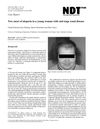
This article discusses various potential causes of hair loss in women undergoing renal replacement therapy and emphasizes the importance of thorough patient evaluation, but it reports no new research findings.
 192 citations
,
September 2003 in “The Journal of clinical endocrinology and metabolism/Journal of clinical endocrinology & metabolism”
192 citations
,
September 2003 in “The Journal of clinical endocrinology and metabolism/Journal of clinical endocrinology & metabolism” This study suggests that metformin may be more effective than Dianette in treating moderate to severe hirsutism in women with PCOS, while also reducing markers of insulin resistance.
 169 citations
,
August 2004 in “Baillière's best practice & research. Clinical obstetrics & gynaecology/Baillière's best practice and research in clinical obstetrics and gynaecology”
169 citations
,
August 2004 in “Baillière's best practice & research. Clinical obstetrics & gynaecology/Baillière's best practice and research in clinical obstetrics and gynaecology” This article discusses treatments for hirsutism and acne in women with polycystic ovary syndrome, suggesting that lower doses of current medications maintain efficacy while reducing cost and side effects, but reports no new clinical results.
 111 citations
,
November 2010 in “Human Reproduction”
111 citations
,
November 2010 in “Human Reproduction” This study found that young indigenous South Asian women with polycystic ovary syndrome are more likely to be centrally obese and have metabolic syndrome, particularly with increasing age, higher BMI, and acanthosis nigricans.
 59 citations
,
March 2013 in “European Journal of Obstetrics & Gynecology and Reproductive Biology”
59 citations
,
March 2013 in “European Journal of Obstetrics & Gynecology and Reproductive Biology” This study found that the prevalence of autoimmune thyroiditis was significantly higher in Italian patients with polycystic ovary syndrome compared to controls, suggesting that these patients should be screened for the condition.
 55 citations
,
June 2006 in “Central European Journal of Public Health”
55 citations
,
June 2006 in “Central European Journal of Public Health” This study observed that Finnish men aged 63 with androgenetic alopecia had higher rates of hypertension and diabetes compared to those with normal hair status.
 52 citations
,
November 2009 in “International journal of gynaecology and obstetrics”
52 citations
,
November 2009 in “International journal of gynaecology and obstetrics” This study found that hyperandrogenemia in Chinese women with PCOS is associated with higher risks of type 2 diabetes and obesity, suggesting it should be prioritized in managing PCOS-related infertility.