1 citations
,
August 1983 in “PubMed” This study reported that VCP combination chemotherapy achieved a complete response in 53% of advanced non-Hodgkin's lymphoma patients, although more intensive treatment may be needed for improved outcomes.

This case study highlights rose stem cell-derived exosomes combined with thulium laser therapy as a promising treatment for stress-induced alopecia areata, achieving significant hair regrowth and pigmentation without corticosteroid side effects, though further research is needed for broader application.
 12 citations
,
April 2025 in “Discover Pharmaceutical Sciences”
12 citations
,
April 2025 in “Discover Pharmaceutical Sciences” This review examines microneedle patches for drug delivery, detailing their designs, materials, manufacturing methods, and potential advantages, but reports no new clinical results.
This study found that PRP injections may safely improve penile curvature and PDQ scores in men with stable-phase Peyronie's Disease, although the curvature reduction observed was not enough to determine long-term clinical significance.

This study reports on a new semantic annotation approach used to identify substances in MEDLINE abstracts responsible for adverse drug reactions, with promising performance shown by a prototype system.
 August 2019 in “bioRxiv (Cold Spring Harbor Laboratory)”
 This study developed the CATNIP computational model, which uses biological and chemical information to successfully identify drug repurposing opportunities for various conditions, including Parkinson’s disease and Type 2 Diabetes.
12 citations
,
March 2021 in “JAAD Case Reports” This study reported that immunotherapy in cancer patients can lead to skin-related immune adverse events, such as rashes, pruritus, and vitiligo, affecting a substantial proportion of patients.
34 citations
,
July 2013 in “Clinical Cosmetic and Investigational Dermatology” This study observed that while topical drug therapy for erosive pustular dermatosis rarely leads to complete resolution, surgery may achieve remission in male patients.
July 2026 in “Environmental Science & Technology” This study found that nanoplastics' aggregation behavior on human skin, influenced by factors like concentration, photoaging, and organic constituents, affects their penetration potential through sweat glands and hair follicles, highlighting potential dermal exposure risks.

This study found that polycystic ovary syndrome was the most common cause of hirsutism among premenopausal Algerian women.
4 citations
,
February 2023 in “Frontiers in Oncology” In this study, Nano-Pulse Stimulation Therapy successfully cleared up to 91% of melanoma tumors in mice with less skin damage compared to cryoablation, which cleared up to 66% of tumors.
 3 citations
,
March 2018 in “Journal of Continuing Education in Nursing”
3 citations
,
March 2018 in “Journal of Continuing Education in Nursing” This study found that a continuing education program significantly improved rural nurse practitioners' knowledge about assessing, diagnosing, and managing PCOS.
65 citations
,
February 2018 in “The Plant Journal” This study found that PLDζ2 and NPC4 enzymes play distinct roles in lipid remodeling and root hair growth in Arabidopsis under phosphate deficiency, influencing root hair density and length in a tissue- and time-specific manner.
 35 citations
,
April 2012 in “Journal of Clinical Psychopharmacology”
35 citations
,
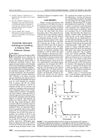
April 2012 in “Journal of Clinical Psychopharmacology” Finasteride reduces gambling symptoms in Parkinson's patients.
This study found that activation of delta-opioid receptors in keratinocytes may delay the expression of the PER2 gene, suggesting a possible link to cancer development through circadian rhythm disruption.
18 citations
,
December 2016 in “European journal of pharmacology” In this study, 12-Chloracetyl-PPD showed anti-cancer activity by inhibiting cancer cell viability and inducing apoptosis through reactive oxygen species production without harming normal cells.
 5 citations
,
November 2024 in “Journal of Clinical Immunology”
5 citations
,
November 2024 in “Journal of Clinical Immunology” This study reports that a 9-week-old infant with Netherton syndrome showed rapid and sustained symptom improvement, including skin microbiome normalization and developmental progress, after off-label dupilumab treatment, without adverse reactions.
January 2015 in “OpenBU/Boston University Institutional Repository (Boston University)” This study reported that NRP2 expression in melanocytes and melanocyte stem cells is linked to migration inhibition and potentially melanoma progression, suggesting its role as a target for understanding melanoma and hair follicle biology.
7 citations
,
February 2019 in “Veterinary medicine and science” This study reports the first identification of the deleterious NIPAL 4 variant, associated with autosomal recessive congenital ichthyosis, in an American Bully and describes its clinical management and follow-up.
September 2025 in “Development” In this study, deleting the transcriptional pause factor Nelfb in mouse preadipocyte lineages led to defective dermal fat formation and lethal outcomes, while interventions targeting Pparg could rescue adipocyte differentiation and promote dermal white adipose tissue formation, underscoring Nelfb's critical role in adipogenesis.
October 2023 in “Pharmacoepidemiology and Drug Safety” This study found that in Denmark, dermatology drugs are mostly used as expected, but identified a few unexpected patterns that warrant targeted follow-up to determine if there is inappropriate use.
 March 2005 in “Journal of The American Academy of Dermatology”
 Diphencyprone treatment protocols could be simplified as no harm occurred despite not fully following them.
 98 citations
,
November 2002 in “Contact Dermatitis”
98 citations
,
November 2002 in “Contact Dermatitis” This study found that adverse reactions to para-phenylenediamine in hair dye, including severe allergic contact dermatitis, may be more common than currently reported and often misdiagnosed.
 2 citations
,
February 2024 in “Journal of the European Academy of Dermatology and Venereology”
2 citations
,
February 2024 in “Journal of the European Academy of Dermatology and Venereology” This study resulted in a draft version of the Patient‐Reported Impact of Dermatological Diseases measure, PRIDD, which includes 27 items refined from patient consensus and is now undergoing psychometric testing.
1 citations
,
October 2011 in “Hospital Pharmacy” This article highlights the importance of recognizing, preventing, and reporting adverse drug reactions to the FDA's MedWatch program, but does not present new research findings.
 March 1998 in “Journal of dermatological science”
 Diphencyprone initially increases mouse hair growth, then slows it, possibly due to changes in specific protein levels.
80 citations
,
June 2012 in “European Journal of Pharmaceutics and Biopharmaceutics” This study observed that smaller polymeric submicron particles provided more efficient selective drug delivery to inflamed skin in a mouse model, enhancing therapeutic effects while reducing systemic adverse effects.
November 2025 in “Journal of Pharmacy and Pharmacology” This review highlights pigment epithelium-derived factor's roles in ageing and development, focusing on its antioxidant functions and support of stem cell survival, but reports no new experimental results.
13 citations
,
November 2021 in “Frontiers in Molecular Biosciences” This review discusses the mechanisms of platinum-induced peripheral neuropathy related to reactive oxygen species and explores potential antioxidant therapies and nanotechnology approaches, but reports no new clinical results.
November 2018 in “Journal of dermatology & cosmetology” This manuscript reports on the first case of perforating necrobiosis lipoidica in Colombia, marking the 19th documented case worldwide.