16 citations
,
November 2018 in “The journal of pain/Journal of pain” This study found that in a rat model, 14,15-EET may alleviate central poststroke pain by enhancing thalamic inhibition through neurosteroid signaling, potentially outperforming gabapentin in early-stage treatment.
 4 citations
,
May 2018 in “Journal of Neuro-Ophthalmology”
4 citations
,
May 2018 in “Journal of Neuro-Ophthalmology” This review describes the evolution of treatments for relapsing multiple sclerosis, highlighting that while newer potent monoclonal agents can potentially achieve disease remission, they also pose moderate to severe adverse event risks that healthcare providers must understand.
109 citations
,
November 2011 in “Nature Neuroscience”  April 2025 in “ACS Applied Nano Materials”
 In AGA mouse models, this study found that the combination of nickel–copper nanozymes and minoxidil in dissolvable microneedles significantly enhanced hair regeneration and improved the hair follicle microenvironment by reducing reactive oxygen species and increasing vascular density, compared to minoxidil alone.
May 2011 in “Psychiatric News” This article provides regulatory updates, legal briefs, and industry news, reporting no new clinical findings.
104 citations
,
December 2004 in “Journal of Neurochemistry” This study found that androgens, specifically DHT, induced neurite outgrowth in motor neurons by up-regulating the neuritin protein, with testosterone being less effective.
 January 2017 in “Brazilian Journal of Pharmaceutical Sciences”
 This study identified neprilysin as a potential target of the pharmacological agent arteannuin, which may guide future research into its clinical applications, although experimental verification is needed.
July 2024 in “Journal of Investigative Dermatology” This study found that systemic treatment with DS77754007, a KLK5 inhibitor, improved skin symptoms in a mouse model of Netherton Syndrome more effectively than certain antibody treatments, suggesting KLK5 inhibition as a promising therapeutic approach for this condition.
35 citations
,
September 2009 in “Psychoneuroendocrinology” Early-life neurosteroid changes affect adolescent exploration and adult behavior.
6 citations
,
April 2021 in “NAR Genomics and Bioinformatics” This study found extensive co-evolution of polyglutamine repeat lengths in neural protein clusters, highlighting their potential role in neurocognitive variation and neuropsychiatric disease development.
 April 2023 in “Journal of Investigative Dermatology”
 This study found that ALRN-6924 effectively protected human hair follicles from cyclophosphamide-induced damage in an ex vivo setting, suggesting it may reduce both acute and permanent chemotherapy-induced alopecia.
February 2026 in “Advanced Science” This study found that the combination of TTNPB and CHIR99021 enhanced the derivation of highly advanced neural stem cells from human pluripotent stem cells, with improved chromatin accessibility and neuroectodermal gene expression, and these cells successfully engrafted in rat hippocampi to ameliorate depression-like symptoms.
5 citations
,
June 2020 in “Medicine” This report discusses a 22-year-old patient with MELAS syndrome carrying the m.10158T>C mutation, and highlights the need for extensive genetic testing when initial hot-spot mutation tests are negative.
December 2025 in “eTheses of Maulana Malik Ibrahim State Islamic University (Maulana Malik Ibrahim State Islamic University)” This study found that the highest antioxidant-activity formulation of the RENTT herbal combination effectively stimulated hair growth in mice and may serve as a natural therapy for chemotherapy-induced alopecia.
20 citations
,
April 2019 in “BioMed Research International” This study found that DNA hypermethylation was present in melasma lesions, and treatments with sunscreen, niacinamide, and retinoic acid were associated with decreased methylation and clinical improvement.
 July 2014 in “Journal of Dermatology and Cosmetic”
 This study found that topical niosomal minoxidil significantly increased hair count and patient satisfaction compared to conventional minoxidil in men with androgenetic alopecia.
10 citations
,
February 2017 in “European journal of neuroscience/EJN. European journal of neuroscience” This study found that local synthesis of 17β-estradiol and 5α-dihydrotestosterone, combined with specific stimulation patterns, is crucial in determining the direction and strength of long-term synaptic effects in the hippocampal CA1 region of male rat slices.
5 citations
,
May 2022 in “Clinical & Experimental Metastasis” This study found that minoxidil and ranolazine, individually and in combination, reduced cellular invasiveness in hypoxic triple-negative breast cancer cell lines, suggesting potential anti-metastatic effects at clinically relevant doses.
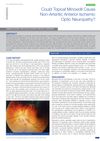 6 citations
,
January 2016 in “Journal of Clinical and Diagnostic Research”
6 citations
,
January 2016 in “Journal of Clinical and Diagnostic Research” This case report describes a non-arteritic anterior ischemic optic neuropathy that resolved after discontinuing topical 5% minoxidil treatment.
5 citations
,
April 2022 in “Pharmaceutics” This study reported that 5% minoxidil nanoparticles enhanced hair growth more effectively in mice than a commercial minoxidil solution, with significantly higher drug accumulation in the upper hair follicles.
18 citations
,
April 2011 in “Neuropharmacology” This study found that metyrapone and etomidate provide dose-dependent anticonvulsant effects against seizures, with delayed effectiveness linked to increased neurosteroid levels.
 July 2025 in “New Phytologist”
 This study demonstrated that the FER/MLO signaling module regulates calcium dynamics and ROS accumulation in root hair growth, with the constitutively active MLO (faNTA) able to restore normal development and signaling in specific mutant genotypes, highlighting MLO15's role in root hair tip growth regulation.
9 citations
,
April 2006 in “International Journal of Dermatology” This article reviews the potential for α-difluoromethylornithine to help control hair growth and prevent cancer, but it does not present new clinical results.
109 citations
,
April 1997 in “Archives of Dermatological Research” The researchers reported that mast cell and nerve fiber interactions in mouse skin are highly selective for nerve fiber types and vary depending on the hair cycle phase.
 April 2023 in “Journal of Investigative Dermatology”
 This study found that PX-12 inhibited the NLRP3 inflammasome and reduced psoriasis-like symptoms in a mouse model, suggesting its potential as a treatment for psoriasis.
 December 2025 in “Fullerene Journal of Chemistry”
 This study investigated the potential of nutmeg-derived phytochemicals as anti-alopecia agents using molecular docking and simulations, finding that geranylgeraniol exhibited significant binding stability and potential efficacy against androgenetic alopecia comparable to finasteride and superior to minoxidil.
 December 2025 in “Bolu Abant Izzet Baysal Universitesi Tip Fakultesi Abant Tip Dergisi”
 In this experimental study on rats, the researchers reported that administering minoxidil did not have significant electrophysiological or histopathological effects on penicillin-induced epilepsy, although future studies with larger sample sizes are recommended for more definitive conclusions.
 April 2015 in “Journal of Nutritional Therapeutics”
 This study found that a more liberal intake of restricted amino acids in patients with methylmalonic acidemia resulted in improved growth and fewer illness episodes.

This case study indicates that older patients with NMOSD may show favorable clinical improvements with aggressive treatment, even when the intervention is initiated later in the disease course.

This study found that minoxidil nanoliposomes led to faster hair growth and reduced scalp bacteria in mice compared to free minoxidil.