 33 citations
,
July 2021 in “Clinical, Cosmetic and Investigational Dermatology”
33 citations
,
July 2021 in “Clinical, Cosmetic and Investigational Dermatology” This review discusses the use of nanocarrier technology in functional cosmetics to enhance skin penetration, increase ingredient stability, and allow codelivery of active ingredients, without reporting new clinical results.
December 2025 in “Sensors” In this review, recent advances in long-acting microneedle-based transdermal drug delivery systems are outlined, highlighting biodegradable polymers like PLA, PLGA, and PCL for sustained release and discussing challenges in clinical translation such as consistency in manufacturing and validating long-term efficacy and safety.
2 citations
,
September 2024 in “Asian Journal of Pharmaceutics” This research discusses advancements in niosomal drug delivery systems, highlighting their promising potential to improve targeted drug delivery due to their ability to encapsulate various drug types efficiently, offering advantages over traditional liposome systems in terms of chemical stability and therapeutic efficacy.
 15 citations
,
February 2023 in “Colloids and surfaces. B, Biointerfaces”
15 citations
,
February 2023 in “Colloids and surfaces. B, Biointerfaces” In this study using a porcine skin model, the researchers reported that smaller curcumin nanocrystals in xanthan gum gel showed higher passive skin penetration, while larger particles achieved deeper follicular accumulation.
 24 citations
,
April 2007 in “European Journal of Pharmaceutics and Biopharmaceutics”
24 citations
,
April 2007 in “European Journal of Pharmaceutics and Biopharmaceutics” This study found that artocarpin delivered via alginate/chitosan microparticles effectively suppressed the growth of hamster flank organs compared to artocarpin in solution form, without significant systemic effects.
August 2025 in “OPAL (Open@LaTrobe) (La Trobe University)” This preclinical study found that a machine-learning-driven strategy for fabricating microneedles with optimal hardness and rapid dissolution significantly promoted hair regrowth in androgenetic alopecia mice by activating the Wnt/β-catenin pathway, surpassing the effects of minoxidil.
28 citations
,
May 2023 in “Current Opinion in Colloid & Interface Science” March 2014 in “DOAJ (DOAJ: Directory of Open Access Journals)” This study suggests that novel lipid nanoparticle formulations may be suitable for delivering anti-alopecia compounds like minoxidil and finasteride, although their skin penetration was limited.
 20 citations
,
September 2019 in “Nanomaterials”
20 citations
,
September 2019 in “Nanomaterials” This study developed a portable electrospinning device that mimics hair for cosmetic thickening in a mouse model, showing performance comparable to benchtop models with added safety and cost benefits.
 July 2018 in “DOAJ (DOAJ: Directory of Open Access Journals)”
 This study found that finasteride delivered through a nano-transferosomal gel showed improved penetration through skin layers compared to a conventional gel, suggesting a potential alternative for oral administration.
 8 citations
,
January 2018 in “PubMed”
8 citations
,
January 2018 in “PubMed” The study reported that reducing finasteride particle size significantly improved its cellular permeation through prostate epithelial cells, though it had a lesser impact on systemic pharmacokinetics and tissue distribution in rats.
 July 2026 in “Journal of Drug Delivery and Therapeutics”
 This study evaluated Finasteride-loaded nanostructured lipid carriers for topical use in treating androgenetic alopecia and found that these carriers offer sustained drug release and may reduce systemic side effects compared to oral administration.
October 2025 in “Transplantation” This study developed dutasteride-loaded microneedle systems using a specific polymer to enhance transdermal delivery, demonstrating efficient drug release and increased accumulation in hair follicles, thus supporting their potential for treating androgenic alopecia.
12 citations
,
May 2022 in “Plants” This review highlights the potential of nano-phytopharmaceuticals in improving the bioavailability and efficacy of phytochemicals for treating locomotor, dermal, reproductive, and urinary tract disorders, but notes that more clinical and preclinical research is needed to establish their safety and efficacy for human use.
 September 2023 in “Pharmaceuticals”
 This study found that nanoparticles containing minoxidil and betamethasone improved drug delivery to hair follicles, with lipidic nanoparticles significantly enhancing minoxidil and betamethasone penetration compared to control, making them a promising option for alopecia areata treatment with reduced side effects.
 April 2025 in “BioNanoScience”
 New methods using biomaterials, stem cells, and nanoparticles show promise for improving hair growth and treating hair loss.
2 citations
,
June 2024 in “Advanced Healthcare Materials” In this study, researchers highlighted the integration of computational technology with nanozyme research, enabling atomic-level kinetic analysis and improved design and synthesis of nanozymes, while enhancing detection methods through automated, accurate, and reproducible analyses.
 April 2026 in “Frontiers in Physiology”
 This study evaluated nanovesicles derived from Polygonum multiflorum roots, finding that they promote dermal papilla cell proliferation and activate β-catenin signaling, which in turn enhances hair shaft elongation in ex vivo cultured human hair follicles, suggesting their potential use for alopecia treatment.
February 2026 in “Chemical Engineering Journal” This study found that a novel nano-engineered platform, PCA, significantly promoted hair regeneration in an androgenetic alopecia mouse model by enhancing angiogenesis and hair follicle stem cell proliferation, showing promise for future hair regrowth treatments.
January 2022 in “OPAL (Open@LaTrobe) (La Trobe University)” This study used advanced optical imaging techniques to investigate nanoparticle and dye penetration in human skin, finding that nanoparticles mainly resided in the stratum corneum and accumulated in skin folds and hair follicles, while highlighting that sunscreen-based nanoparticles appear unlikely to pose safety concerns.
January 2019 in “Springer eBooks” PLGA nanospheres in cosmetics improve skin and hair treatment effectiveness.
 1 citations
,
October 2025 in “Nano Research”
1 citations
,
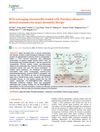
October 2025 in “Nano Research” In this study, researchers developed a dissolvable microneedle patch combining HA-TEMPO and Portulaca oleracea L.-derived nanoparticles, which effectively reduced oxidative stress and inflammation in an atopic dermatitis model while restoring immune balance, suggesting a promising treatment strategy.

This research found that liposome drug delivery systems, particularly with targeted modifications, show promise for improving effectiveness and reducing toxicity in combination cancer therapies.
5 citations
,
July 2025 in “Nutrients” This study reviews how advancements in nanotechnology have improved food safety, nutrition delivery, and health interventions, but it also highlights the need for more research into safety evaluations and regulatory concerns.
65 citations
,
March 2022 in “Molecules” This study examines the role of nanotechnology in cosmetics, highlighting its benefits in improving ingredient solubility and stability, but also noting challenges such as cost, shelf life, and safety concerns, along with regulatory complexities, particularly in harmonizing global legislation.
7 citations
,
August 2021 in “ChemEngineering” This study found that Soluplus and L-ascorbyl 2,6-dipalmitate nanoparticles may improve minoxidil's skin permeability through stable hydrophobic interactions, enhancing its potential for targeted skin application.
1 citations
,
June 2025 in “Therapeutic Delivery” This article reviews microneedle technology as a transdermal drug delivery platform without presenting new clinical results, emphasizing its engineered microstructure arrays for enhanced penetration.
45 citations
,
January 2021 in “Drug Delivery” In this study, researchers developed a biomimetic anti-inflammatory nanosystem (MM-CEP/NLCs) that significantly reduced the severity of acute lung injury in vivo by targeting and accumulating in lung inflammation sites, showcasing its potential for treating inflammation.
 69 citations
,
December 2015 in “Journal of Controlled Release”
69 citations
,
December 2015 in “Journal of Controlled Release” This study found that nanocapsules formulated as a dispersion and applied with massage may enhance follicular uptake of clobetasol propionate while minimizing its skin penetration, offering a potential improvement over conventional treatments for scalp diseases.
 26 citations
,
March 2014 in “International journal of pharmaceutics”
26 citations
,
March 2014 in “International journal of pharmaceutics” This study confirmed that the novel solid lipid microparticle formulation of adapalene demonstrated follicular penetration potential and targeted particle erosion in sebum in in vitro tests.