 12 citations
,
February 2022 in “Acta Biomaterialia”
12 citations
,
February 2022 in “Acta Biomaterialia” In this study, researchers found that dissolving microneedles made with hyaluronic acid enhanced the effectiveness of minoxidil in reducing hair loss and promoting hair growth in alopecia-affected mice more effectively than topical minoxidil alone, while using only 10% of the drug amount.
 April 2018 in “The journal of investigative dermatology/Journal of investigative dermatology”
 This study found that in a mouse model of Focal Dermal Hypoplasia, treatment with lithium carbonate improved skin disease symptoms compared to controls, though disease severity varied and posed interpretation challenges.

In this study, human umbilical cord mesenchymal stem cell-derived exosomes were found to promote the growth of human hair dermal papilla cells, partly by enhancing AKT-dependent signaling pathways, suggesting a potential role in treating hair loss.
33 citations
,
October 2005 in “Journal of Investigative Dermatology” A specific gene mutation causes sparse, brittle hair in a family.
 April 2021 in “Journal of Investigative Dermatology”
 This trial found that intradermal injections of the Hair Stimulating Complex were well-tolerated and effectively stimulated hair growth and prevented hair loss in male pattern baldness participants over 18 weeks.
 December 2023 in “The journal of investigative dermatology/Journal of investigative dermatology”
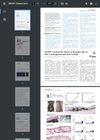
 In a mouse model study, researchers observed that the absence of MCPIP1 in myeloid cells decreased susceptibility to chemically induced skin papillomas but caused significant hair loss and skin pigmentation changes, suggesting a role for MCPIP1 in skin carcinogenesis and follicle integrity.
 November 2025 in “Clinical Cosmetic and Investigational Dermatology”
 In this study, researchers suggest that digital microscopy using visible light could offer a more objective approach to diagnosing hirsutism by quantifying terminal hair, with future research needed to assess its usefulness in women with the condition.
4 citations
,
August 2024 in “Journal of Cosmetic Dermatology” This study reports that injecting a non-cross-linked hyaluronic acid compound into keratosis pilaris-affected skin led to significant improvements in roughness, redness, and overall skin condition, while maintaining a favorable safety profile, making it a promising alternative treatment option.
18 citations
,
July 2012 in “Cell Biology International Reports” This study suggests that human mesenchymal stem cells have the potential to differentiate into dermal papilla cells both in vitro and in vivo.
3 citations
,
December 2004 in “PubMed” This study observed an outbreak of dermatophytosis caused by Trichophyton species in farmed mink in the USA, affecting primarily dark-colored kits with skin lesions.
1 citations
,
April 2019 in “The journal of investigative dermatology/Journal of investigative dermatology” This study observed significant differences in the skin microbiome between hidradenitis suppurativa patients and healthy individuals, notably with decreased β-diversity and a distinct abundance of certain bacteria in affected skin.
 April 2023 in “Authorea (Authorea)”
 This case report describes the presentation of a 32-year-old Iranian immunocompetent female diagnosed with Merkel Cell Carcinoma, highlighting the importance of early diagnosis and management to mitigate complications.
100 citations
,
November 1997 in “Human Genetics” In this study, researchers found that the prevalent Glu 410 Lys mutation in hHb6 and a new Glu 403 Lys mutation in hHb1 are linked to monilethrix, suggesting a mutational hotspot in type II hair keratins.
5 citations
,
August 2021 in “STAR Protocols” This article outlines a protocol for scanning electron microscopy of murine skin and primary keratinocyte monolayers, providing a guide for sample preparation and examination.
 11 citations
,
October 2021 in “Stem Cell Research & Therapy”
11 citations
,
October 2021 in “Stem Cell Research & Therapy” This study reports that hair follicle-derived mesenchymal stem cells significantly reduced hair loss and inflammation in alopecia areata models, suggesting a potential therapeutic approach.
 August 2025 in “Journal of Medical and Life Science”
 This case-control study in Missan Province, Iraq, found that married women with PCOS had higher rates of obesity and menstrual irregularities, along with elevated testosterone, LH, and insulin levels, compared to healthy controls, highlighting significant hormonal and metabolic complications.
 September 1997 in “BioMed Research International”
 This review discusses the current understanding of the epidemiology, pathogenesis, clinical manifestations, and diagnosis of female pattern hair loss and reports no new research results.
 9 citations
,
November 2012 in “Archives of Dermatological Research”
9 citations
,
November 2012 in “Archives of Dermatological Research” MC4R gene variants not linked to female hair loss.
3 citations
,
July 2023 in “Cells” This study found that topical application of recombinant human MG53 protein mitigated nitrogen mustard-induced skin injuries in mice by preserving epidermal integrity and hair follicle structure.
 2 citations
,
March 2023 in “JAAD case reports”
2 citations
,
March 2023 in “JAAD case reports” This case report describes the unexpected hair repigmentation surrounding a scalp tumor in a 74-year-old man, suggesting a potential link between the carcinoma and changes in hair pigmentation.
 March 2025 in “ACS Applied Materials & Interfaces”
 This study found that using an ultrasound hollow microneedle array enhanced transdermal delivery of finasteride, accelerating hair regrowth in mice with androgenetic alopecia compared to other delivery methods.
135 citations
,
May 1994 in “Medical Entomology and Zoology” This collection reviews various animal models for dermatological research, particularly focusing on genetic mutations in laboratory mice, and reports no original findings.
5 citations
,
February 2020 in “Open Access Macedonian Journal of Medical Sciences” In this study, ethanol extracts of Hibiscus rosa-sinensis leaves were found to promote hair growth in mice, with 10% concentration shown to be most effective over a 25-day observation period.
December 2022 in “Research Square (Research Square)” In this study, a comprehensive treatment approach involving multiple therapies was found to play a crucial role in managing hidradenitis suppurativa in patients with intellectual and developmental disorders despite practical challenges.
 2 citations
,
January 2008 in “International Journal of Neuroscience”
2 citations
,
January 2008 in “International Journal of Neuroscience” This article presents a case of delayed diagnosis of Kearns-Sayre syndrome in a 38-year-old man and reviews clinical and laboratory findings associated with the disorder, reporting no new results.
October 2025 in “Journal of Neurophysiology” In this study, researchers identified two types of potassium channels, BK and Kv4.2, in rat Merkel cells and reported that these channels play important roles in repolarizing action potentials and maintaining resting membrane potentials, potentially influencing tactile encoding in these cells.
August 2001 in “The Journal of Cell Biology” In this study, the researchers identified a third keratin 6 gene in mice and developed a double knockout model that could aid in hair growth research.
 15 citations
,
April 2007 in “Journal of child neurology”
15 citations
,
April 2007 in “Journal of child neurology” This case report describes an 11-month-old boy with Menkes disease, highlighting symptoms such as developmental delays and poor therapeutic response due to significant brain and vascular abnormalities.
22 citations
,
April 2012 in “The American journal of pathology” This study found that the loss of Msx2 in knockout mice led to phenotypes similar to Peters anomaly and microphthalmia, suggesting that MSX2 plays a critical role in anterior segment development of the eye.
158 citations
,
December 2002 in “Development” In this study, Msx2-deficient mice showed progressive hair loss due to shortened anagen phase and prolonged catagen and telogen phases, resulting in cyclic alopecia with structurally abnormal hair shafts.