 October 2021 in “Journal of Investigative Dermatology”
 In this research, investigators used in vitro models to study the Merkel cell-neurite complex and reported that mechanical stimulation, similar to gentle touch, can induce molecular changes that are potentially relevant to hair growth, thus contributing to the understanding of its underlying mechanisms.
17 citations
,
July 2024 in “Frontiers in Oncology” This review discusses recent advances in understanding Merkel cell carcinoma biology, including the development of genetically-engineered mouse models and potential therapeutic targets, but reports no new clinical results.
 205 citations
,
April 2005 in “Journal of Investigative Dermatology”
205 citations
,
April 2005 in “Journal of Investigative Dermatology” This study describes a system for generating hair follicles from dissociated cells in mice, suggesting that successful development requires a foundational epithelial platform.
 124 citations
,
June 2020 in “Cell Stem Cell”
124 citations
,
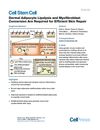
June 2020 in “Cell Stem Cell” This study found that in mice, dermal adipocytes initiate inflammation and aid repair after skin injury by releasing lipids, suggesting a role in managing inflammatory diseases and impaired wound healing.
 November 2023 in “bioRxiv (Cold Spring Harbor Laboratory)”
 This study found that disrupted cholesterol homeostasis impairs hair regrowth in individuals with primary cicatricial alopecia by damaging hair follicle stem cells, highlighting the importance of cholesterol in maintaining stem cell function and hair follicle integrity.
22 citations
,
July 2015 in “PloS one” This study found that Foxp1, a transcriptional factor, plays a key role in regulating hair follicle stem cell proliferation by modulating oxidative stress and the cell cycle during hair growth phases.
 April 2019 in “Journal of Investigative Dermatology”
 This study found that Merkel cell carcinoma recurrence risk peaks within the first two years after diagnosis and varies significantly by stage, with immune suppression, age, and male sex also influencing risk.
14 citations
,
February 2022 in “The Journal of clinical investigation/The journal of clinical investigation” This study found that the development of Merkel cell carcinoma from hair follicles in mice can be driven by in vivo reprogramming with ATOH1 and relies on p53 loss for progression.
November 2006 in “評価・診断に関するシンポジウム講演論文集” This study found that KSR1 is essential for v-Ha-ras-mediated skin tumor formation in mice but not for MT-driven mammary tumor genesis, suggesting its potential as a therapeutic target in Ras/MAPK signaling.
 April 2023 in “Authorea (Authorea)”
 This case report describes the presentation of a 32-year-old Iranian immunocompetent female diagnosed with Merkel Cell Carcinoma, highlighting the importance of early diagnosis and management to mitigate complications.
1 citations
,
January 1980 in “Computer Physics Communications”  1 citations
,
April 2017 in “Journal of Investigative Dermatology”
1 citations
,
April 2017 in “Journal of Investigative Dermatology” This proof-of-concept study reported that a new, ultra-fast, one-step immunohistochemistry method improved the interpretation of Mohs surgery slides, particularly for poorly differentiated tumors.
 November 2023 in “The journal of investigative dermatology/Journal of investigative dermatology”
 In this study, mice lacking the Mcpip1 gene in their myeloid cells did not develop SCC-like tumors but instead showed increased melanocyte activity and hair loss, indicating a distinct role for myeloid Mcpip1 in skin cancer development compared to keratinocyte Mcpip1.
 March 2024 in “BMC cancer”
 This study reports that high expression of proteins ST14 and TMEFF1 in ovarian cancer correlates with higher tumor malignancy and worse prognosis, and reveals an interaction where ST14 regulates TMEFF1 to promote cancer cell proliferation, migration, and invasion.
1 citations
,
January 2016 in “Journal of Biosciences and Medicines” This study found that the ACTH/MC2R system is important for hair cycle regulation, with deficiencies in MC2R leading to altered hair growth phases in mice.
822 citations
,
January 2021 in “Genome biology” This study presents a new method called scMC that effectively distinguishes biological from technical variation in single-cell genomics datasets, demonstrating its ability to accurately align and detect biological signals across various experiments.
 August 2023 in “The journal of investigative dermatology/Journal of investigative dermatology”
 In this retrospective study of patients with advanced Merkel cell carcinoma responding to immunotherapy, those treated for 18 months or longer showed better progression-free outcomes compared to shorter treatment durations, indicating potential benefits of extended therapy duration.
3 citations
,
December 2013 in “Balkan Journal of Medical Genetics” This case report highlights the use of microarray analysis to identify cryptic chromosomal rearrangements in a young woman with intellectual disability and multiple congenital anomalies.
22 citations
,
June 2010 in “Experimental Dermatology” This study reported that patients with alopecia areata have reduced expression of the melanocortin receptor MC2R in their scalp tissues compared to normal scalp, indicating potential involvement in the condition's pathophysiology.
September 2024 in “Journal of the American Academy of Dermatology” April 2010 in “Cancer Research” This study suggests that Mcl-1 has a non-apoptotic role in promoting keratinocyte proliferation and Wnt/β-catenin signaling, potentially indicating a novel oncogenic activity.
November 2025 in “Journal of Investigative Dermatology” Alpha-MSH affects mitochondrial function, and MC1R mutations may increase skin aging.
 10 citations
,
July 2021 in “Archiv für Pathologische Anatomie und Physiologie und für Klinische Medicin”
10 citations
,
July 2021 in “Archiv für Pathologische Anatomie und Physiologie und für Klinische Medicin” This study found that the expression of LRIG1 in Merkel cell carcinoma tumors was associated with improved overall and cancer-specific survival.
February 2023 in “Default Digital Object Group” This study demonstrated that a single multimode fiber can be used for single-shot wide-field reflectance imaging, achieving high correlation with the ground truth and enabling real-time microendoscopy at up to 180 frames per second.
 133 citations
,
May 2016 in “Cell Host & Microbe”
133 citations
,
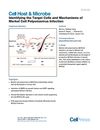
May 2016 in “Cell Host & Microbe” In this study, human dermal fibroblasts were identified as natural host cells that support productive Merkel cell polyomavirus infection, and the MEK antagonist trametinib was introduced as an effective inhibitor to control the virus.
12 citations
,
April 2023 in “Molecular Pharmaceutics” This study demonstrated that a microarray patch can deliver antibodies in a controlled and prolonged manner, maintaining their functionality after manufacturing and heat exposure, with successful pharmacokinetic proof-of-concept in rats.
June 2025 in “Albus Scientia” This review discusses the role of the MC1R gene in human pigmentation and its genetic variants, reporting no new results; the authors highlight its forensic applications for phenotypic prediction.
9 citations
,
December 2023 in “Materials Today Bio” This study found that modified microcrystalline cellulose with citric and ascorbic acid demonstrated enhanced hemostatic properties and biocompatibility in vitro and in animal hemorrhage models.
July 2024 in “Journal of Investigative Dermatology” A new test helps find drugs to treat head and neck cancer by targeting c-Rel.
 63 citations
,
May 2011 in “Clinical cancer research”
63 citations
,
May 2011 in “Clinical cancer research” In this study, topical CUR61414 was effective in inhibiting basal cell carcinomas in mice, but no clinical activity was observed in human trials.