 July 2024 in “Journal of Cosmetic Dermatology”
 This article highlights that fractionated laser therapy is gaining attention as a minimally invasive and effective treatment for androgenetic alopecia, offering a potential solution to traditional treatments' limitations.
 July 2024 in “Scholars Journal of Medical Case Reports”
 This study highlights examples of successful hair growth using combined laser therapy and autologous exosome therapy, suggesting a synergistic effect that may enhance beauty treatments and other therapeutic applications.
June 2024 in “Cermin Dunia Kedokteran” This review discusses the benefits and applications of low level laser therapy in cosmetic dermatology, particularly for skin conditions and pigmentation disorders, but reports no new clinical results.
In this study, 14 sessions of 675 nm laser stimulation significantly improved hair count, density, and thickness in Indian patients with androgenetic alopecia, with an increase of around 17% in hair parameters over four months.
 May 2024 in “Lasers in medical science”
 In this retrospective study, a combined therapy of ablative fractional Er: YAG laser and medication was more effective in treating male androgenetic alopecia than medication alone, without causing serious adverse effects, as evaluated over 24 weeks.
 April 2024 in “Journal of dermatology research reviews & reports”
 This clinical trial found that combining 678 nm helmet-type low-level laser therapy with topical minoxidil 5% significantly increased hair density and patient satisfaction in men with androgenetic alopecia, compared to using minoxidil alone. Both treatments were well tolerated.
 April 2024 in “Lasers in medical science”
 This study reviews the use of lasers and light therapies as treatment options for managing the two most common types of alopecia—androegenetic alopecia and alopecia areata—highlighting that existing FDA-approved drugs like minoxidil and finasteride are partially effective, necessitating additional therapeutic approaches.
 April 2024 in “International Journal of Women’s Dermatology”
 This case report highlights the potential for laser hair reduction treatments to trigger Fox-Fordyce disease, a chronic skin disorder, and underscores the need for awareness and management strategies among patients and clinicians.
 March 2024 in “Journal of Cosmetic Dermatology”
 This study found that pretreating concentrated growth factor with a 640 nm laser increased CD34+ stem cell activation and improved hair growth outcomes in androgenetic alopecia patients compared to non-pretreated CGF.
 February 2024 in “Lasers in Medical Science”
 This review discusses laser and energy-assisted drug delivery as a treatment for alopecia and concludes that although all studies show positive effects, some reports indicate no superiority over existing monotherapies.
 January 2024 in “Photodiagnosis and Photodynamic Therapy”
 The study found that combining a 655nm low-level laser helmet with 2% minoxidil resulted in better improvement in hair diameter and intermediate hair enlargement at the midscalp among Chinese women with FPHL.
 January 2024 in “Editora In Vivo eBooks”
 In this case report, a dog was diagnosed with dermatophytosis, a zoonotic fungal infection common in humid climates, presenting with alopecia in the neck and ear regions.
 December 2023 in “Lasers in Medical Science”
 Fractionated laser therapy, especially erbium-glass laser, effectively increases hair thickness in people with hair loss but doesn't increase the number of hairs.
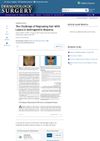 November 2023 in “Dermatologic Surgery”
 Lasers might help regrow hair in people with hair loss due to genetics.

This study suggests that a portable OCT system may be useful for the clinical diagnosis and evaluation of skin diseases and laser treatment outcomes.
 September 2023 in “Journal of The American Academy of Dermatology”
 This review discusses the use of Raman spectroscopy to evaluate drug penetration in alopecia treatments and suggests it may be a promising tool for enhancing the effectiveness of laser-assisted drug delivery.
 July 2023 in “Photobiomodulation, photomedicine, and laser surgery”
 In this study, photobiomodulation treatment using a red low-level laser significantly increased hair density in men with androgenetic alopecia over 10 weeks, yet no additional improvement was observed between the 5-week and 10-week marks.
 May 2023 in “Elsevier eBooks”
 This study found that low-level laser/light therapy is effective and safe for treating mild to moderate androgenetic alopecia in individuals with certain skin types, especially when combined with other treatments, although further research is needed to refine protocols and verify long-term outcomes.
 May 2023 in “Journal of drugs in dermatology”
 Most transgender patients getting laser hair removal before gender-affirming surgery are already on hormone therapy, which might affect the hair removal process.
 April 2023 in “Journal of Investigative Dermatology”
 This review discusses randomized trials on PRP and laser therapy for vitiligo, acne scars, and skin rejuvenation, finding combination therapy may yield clinical improvements but calls for more diverse studies.
 January 2023 in “Our Dermatology Online”
 This study discusses the importance of understanding the physical and biophysical factors involved in laser hair removal, highlighting the role of device parameters and skin type in treatment effectiveness, while also acknowledging potential adverse effects from laser light exposure.
 January 2023 in “Skin appendage disorders”
 This study's review of existing research found insufficient data to determine the impact of skin type on the effectiveness of low-light laser therapy for hair growth in androgenetic alopecia, with a notable lack of data on darker skin types.
 December 2022 in “Medical lasers”
 This study reviews the mechanism and potential treatment roles of low-level laser therapy for immune-mediated skin diseases, reporting no new clinical results.
 November 2022 in “The journal of investigative dermatology/Journal of investigative dermatology”
 This study generated a transcriptomic map of human hair follicles, identifying compartment-specific gene expression profiles that can aid in developing targeted therapies for hair follicle disorders.
 October 2022 in “Journal of advances in medicine and medical research”
 This study found that low-level laser therapy combined with NB-UVB therapy led to improvement in re-pigmentation for many stable vitiligo patients, with minimal and transient side effects.
 July 2022 in “The journal of investigative dermatology/Journal of investigative dermatology”
 In this study, researchers created a comprehensive transcriptome map of human hair follicle compartments, identifying compartment-specific genes and providing a resource for potential therapeutic interventions.

This study introduced a new laser-only method called EKA for acne treatment, which is reported to be safe, painless, and heat-free, showing promising results for both acne and scar repair in initial sessions without combining with LED light.
 June 2022 in “Al-Qadisiyah Journal of Veterinary Medicine Sciences”
 This study found that 660 nm laser treatment and povidone iodine both eradicated Pseudomonas aeruginosa infection in mice wounds, with the laser enhancing healing, and the combination provided additive or synergistic healing benefits.
 May 2022 in “Голова и шея.”
 In this pilot study, researchers observed that low-intensity laser radiation at 445±40 nm increased the temperature of gingival tissues in Wistar rats by 8.37°C without exceeding the safety threshold, suggesting potential for clinical trials.
February 2022 in “INTERNATIONAL JOURNAL OF SCIENTIFIC RESEARCH” This study reviewed 44 clinical trials and found that home-based laser devices are effective for short-term hair removal and skin rejuvenation, with common side effects including erythema and edema; additional trials are needed to confirm safety and efficacy.