 2 citations
,
March 2016 in “InnovAiT”
2 citations
,
March 2016 in “InnovAiT” This article discusses the signs, symptoms, and associated risks of polycystic ovary syndrome, without providing new clinical results; it emphasizes the link between being overweight and increased metabolic risks.
 2 citations
,
March 2011 in “Infertility”
2 citations
,
March 2011 in “Infertility” This review highlights that while lifestyle changes may help with many ovulatory disorders, oocyte donation is considered a viable option for patients who cannot undergo ovulation induction; it reports no new results.
 1 citations
,
February 2016 in “Revista Brasileira de Ginecologia e Obstetrícia”
1 citations
,
February 2016 in “Revista Brasileira de Ginecologia e Obstetrícia” This study demonstrated a significant association between high lipid accumulation product (LAP) and hirsutism in women with polycystic ovary syndrome (PCOS).
 1 citations
,
January 2017 in “Journal of rare disease research & treatment”
1 citations
,
January 2017 in “Journal of rare disease research & treatment” Obesity is common in PCOS patients and early treatment is important for their heart and metabolic health.
 1 citations
,
June 2021 in “Revista de la Facultad de Ciencias Médicas de Córdoba”
1 citations
,
June 2021 in “Revista de la Facultad de Ciencias Médicas de Córdoba” This case report describes a postmenopausal woman with virilization linked to ovarian stromal hyperthecosis, highlighting the importance of detailed clinical evaluation and complementary testing for accurate diagnosis and treatment.
 1 citations
,
February 2016 in “European Journal of Obstetrics & Gynecology and Reproductive Biology”
1 citations
,
February 2016 in “European Journal of Obstetrics & Gynecology and Reproductive Biology” This case study reports that medical imaging of the ovaries may not always conclusively identify the cause of postmenopausal hyperandrogenism, as demonstrated by a patient with a rare condition.
 1 citations
,
October 2015 in “Journal of endocrinology and diabetes”
1 citations
,
October 2015 in “Journal of endocrinology and diabetes” This review discusses the diagnostic criteria and challenges in recognizing polycystic ovary syndrome, noting varied phenotypes and the absence of consensus on renaming the condition; it reports no new findings.
 September 2022 in “Biomedicines”
 This study found that lipid accumulation product (LAP) and free androgen index (FAI) can highly predict liver steatosis in women with PCOS phenotype A.
July 2026 in “npj Regenerative Medicine” This study found that applying Laponite clay gels to skin wounds in mice did not speed up wound closure but significantly improved healing quality compared to phosphate-buffered saline or alginate treatments, with benefits such as enhanced re-epithelialization and hair follicle stimulation near wounds.
 June 2026 in “Indian Journal of Postgraduate Dermatology”
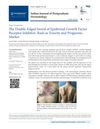
 In this reported case, a 50-year-old man developed an acneiform rash, a common skin side effect of EGFR inhibitor therapy, after starting lapatinib for breast cancer; treatment with doxycycline and hydrocortisone cream led to significant improvement within one week.
May 2026 in “International Journal of Innovative Technologies in Social Science” This review reports that lifestyle modification, including diet and exercise, is essential for managing PCOS, while pharmacological and complementary treatments address specific symptoms like menstrual irregularities and insulin resistance.
 March 2026 in “Lithuanian University of Health Sciences”
 In this case report, a rare instance of ACTH-independent hypercortisolism in a patient with long-standing Addison's disease led to the discovery of an adrenal cortical adenoma, successfully treated with adrenalectomy, underscoring the importance of considering functional adrenal tumors in such atypical biochemical scenarios.
October 2025 in “Journal of the Endocrine Society” This case study reported a unique instance of a benign adrenal adenoma co-secreting cortisol and DHEA-S, which initially mimicked PCOS symptoms. Surgical removal resulted in significant clinical improvement, confirming the diagnosis of cyclic adrenal Cushing's syndrome.
 February 2025 in “Skin Appendage Disorders”
 In this case report, a 62-year-old postmenopausal woman with hyperandrogenism exhibited male-pattern alopecia and hirsutism, which improved after bilateral adrenal adenomas were removed, underscoring the need for investigation of androgen-producing tumors in similar cases.
January 2025 in “Case Reports in Endocrinology” This paper discusses four rare causes of hyperandrogenism in women, emphasizing the importance of detailed biochemical testing and invasive diagnostic tools when imaging fails to identify ovarian tumors.
December 2024 in “AACE Clinical Case Reports” This study highlights a rare case of ovarian hyperthecosis in a 58-year-old postmenopausal woman, presenting with polycythemia and severe hyperandrogenism symptoms, with resolution of symptoms following laparoscopic bilateral oophorectomy.
July 2024 in “Journal of Investigative Dermatology” Substance P helps restore skin thickness and cell renewal when sensory nerves are reduced.
 June 2024 in “International journal of biological macromolecules”
 This study reports that beta-glucan hybrid hydrogels, reinforced with laponite nanoclay, showed promising results in rat models for managing hemorrhage and diabetic wound healing by enhancing hemostasis, reducing inflammation, and promoting faster wound closure and tissue regeneration.
This study used whole-genome resequencing to analyze genetic diversity and selection in 17 rabbit breeds, identifying genes linked to traits like coat color and body size, which could inform breeding and conservation efforts.

This report describes a complex case of postmenopausal hyperandrogenism with virilization and concurrent rare ovarian tumors, highlighting the critical role of interdisciplinary collaboration in diagnosing and managing such challenging scenarios.
 January 2024 in “Journal of surgical case reports”
 In this case study, researchers reported a 61-year-old postmenopausal woman with virilizing symptoms like hirsutism and voice deepening was found to have an androgen-secreting adrenal tumor, emphasizing the importance of considering this diagnosis in similar cases.
 January 2024 in “The American journal of medicine”
 In this case report, the authors describe the first documented occurrence of new-onset hypocortisolism after laparoscopic sleeve gastrectomy in a patient, highlighting the need for awareness of this condition among clinicians when patients present with nonspecific symptoms post-bariatric surgery.

This review discusses the complexities of managing polycystic ovarian syndrome in females, examining its various phenotypes and treatment options, but it does not present new clinical findings.

This review found that surgical treatments such as laparoscopic ovarian drilling and transvaginal hydrolaparoscopy may help induce ovulation in over 50% of PCOS patients who are resistant to drug therapy, with more than 40% achieving pregnancy, though miscarriage and ectopic pregnancy rates were noted.
 May 2023 in “The journal of sexual medicine”
 In this study, bilateral oophorectomy was reported as an effective treatment for normalizing androgen levels and resolving hypersexuality and related symptoms in a post-menopausal woman with ovarian hyperthecosis, suggesting its importance in addressing excess androgen production in such cases.
 October 2022 in “Journal of Pediatric and Adolescent Gynecology”
 This case study observed that unilateral oophorectomy may improve severe hyperandrogenism in adolescents with PCOS, even when imaging and SVS do not indicate neoplasm.
 August 2022 in “International journal of research in pharmacy and chemistry”
 This review summarizes the chemical composition and pharmacological properties of Teak (Tectona grandis) but presents no new research findings, emphasizing its use in traditional medicine and therapeutic potentials.
 April 2020 in “Journal of the Endocrine Society”
 This case report details a post-menopausal woman with hirsutism and virilization due to rare Leydig cell tumors in both ovaries, underscoring the challenge of detecting such tumors with standard imaging.

This article discusses the challenges of diagnosing and managing polycystic ovarian syndrome and reports no new research findings, emphasizing the need for improved diagnostic criteria and lifestyle intervention to prevent complications.
 July 2019 in “International journal of reproduction, contraception, obstetrics and gynecology”
 This study concluded that women with obesity have a higher risk of developing polycystic ovarian syndrome compared to those without obesity.