8 citations
,
January 2009 in “Bulletin of the Veterinary Institute in Pulawy” This study reports a case of hair loss and skin changes in goats due to Scopulariopsis brevicaulis infection, successfully treated with itraconazole and D-biotin in a sick goat kid.
 391 citations
,
September 2015 in “Journal of Clinical Lipidology”
391 citations
,
September 2015 in “Journal of Clinical Lipidology” This document extends previous recommendations by the National Lipid Association for managing dyslipidemia, focusing on lifestyle therapies, special patient groups, and strategies to enhance adherence and patient outcomes.
13 citations
,
April 2021 in “International Journal of Molecular Sciences” This study found that the fermented black soybean product GR-SC65 reduced particulate matter-induced cell death and oxidative stress in A549 cells, suggesting potential as a therapeutic agent for lung injury prevention.
 8 citations
,
April 2015 in “Transboundary and Emerging Diseases”
8 citations
,
April 2015 in “Transboundary and Emerging Diseases” This report describes an outbreak of catheter-related infections by ESBL-producing E. coli in calves at an animal teaching hospital, highlighting the risk of these strains becoming nosocomial and increasing mortality and antibiotic use.
 October 2020 in “Our Dermatology Online”
 This case report highlights how chronic bacterial folliculitis may contribute to persistent inflammation in lichen simplex chronicus and emphasizes the value of DIF and IHC in diagnosing obscure cases.
 August 2026 in “Cosmetics”
 This review assessed dermo-cosmetic treatments using prebiotics, probiotics, synbiotics, and other biotics for acne and scalp disorders, finding potential benefits, especially with multi-strain or synbiotic formulations, although challenges like formulation stability and the need for larger trials persist.
3 citations
,
January 2018 This chapter reviews bacterial skin diseases in camelids, such as folliculitis, furunculosis, and others, providing diagnostic insights without presenting new clinical results.
165 citations
,
May 2023 in “Science Advances” In this study, the researchers developed a living microecological hydrogel containing Chlorella and Bacillus subtilis that showed potential in promoting the healing of infected diabetic wounds by providing continuous oxygen delivery and anti-infective properties.
 March 2026 in “Journal of Veterinary and Animal Sciences”
 This study found that pre-ruminant crossbred calves supplemented with sodium butyrate had significantly lower alopecia scores compared to those receiving a probiotic and emulsifier, though both groups experienced alopecia between the 2nd and 6th weeks.
August 2025 in “International Journal of Biological Macromolecules” A new hydrogel can kill resistant bacteria and help heal infected burn wounds.
6 citations
,
March 2007 in “BioTechniques” This study observed that PCR-based genotyping for cre-loxP mice can lead to errors due to cre-mediated recombination in non-target tissues like tails, affecting the detection of lox alleles.
37 citations
,
March 2010 in “Veterinary dermatology” This study reports a case of bovine besnoitiosis in Germany characterized by specific skin lesions, with diagnosis confirmed through histopathology, serology, and PCR as Besnoitia besnoiti.
66 citations
,
August 2007 in “Applied and environmental microbiology” This study engineered a bioluminescent yeast strain responsive to androgenic chemicals, demonstrating rapid and sensitive detection suitable for high-throughput screening and environmental monitoring.
 May 2024 in “Journal of Agricultural and Food Chemistry”
 In a study using mice, researchers observed that Cacumen platycladi fermented with Lactiplantibacillus plantarum CCFM1348—both as postbiotics and synbiotics—promoted hair growth, potentially by engaging the Wnt/β-catenin signaling pathway and enhancing growth factor expression.
 2 citations
,
April 2022 in “Cureus”
2 citations
,
April 2022 in “Cureus” This case study reports a rare instance of a subcutaneous abscess caused by Candida albicans infection in a 42-year-old Japanese woman following laparoscopic cholecystectomy.
 82 citations
,
August 2017 in “Cell Reports”
82 citations
,
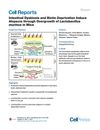
August 2017 in “Cell Reports” This study found that antibiotic-induced gut dysbiosis, particularly overgrowth of Lactobacillus murinus, can lead to hair loss in mice by depleting biotin.
June 2026 in “Journal of Clinical Microbiology” This abstract reports no new research findings; it includes an educational image of microorganisms found in a skin biopsy.
 256 citations
,
October 2013 in “Nature Communications”
256 citations
,
October 2013 in “Nature Communications” This study demonstrates that bioengineered lacrimal gland germs can successfully develop and restore tear production and ocular surface protection in a mouse model with lacrimal gland dysfunction.
3 citations
,
January 2018 in “Journal of probiotics & health” 1 citations
,
April 2022 in “Clinical Cosmetic and Investigational Dermatology” In this study, a case of lichen amyloidosis on the scalp significantly improved with a 2-month topical treatment using clobetasol propionate/all-trans retinoic acid ointment.
19 citations
,
August 2024 in “Cell Host & Microbe” 1 citations
,
January 1886 This document reviews various types of microbes, their roles in fermentation and diseases, and strategies for protection against microbial infections, but presents no new research findings.
1 citations
,
January 2024 in “Clinical Cosmetic and Investigational Dermatology” This case report discusses a 58-year-old female diagnosed with oral lichen sclerosus, an extremely rare form of the disorder, which improved following treatment with topical and intralesional corticosteroids, highlighting the importance of recognizing this rare condition in the oral mucosa.
This narrative review discusses various microbes associated with fermentation and diseases in plants, animals, and humans, reporting no new research results.
 June 2024 in “Journal of medical pharmaceutical and allied sciences”
 In this study, researchers observed that Pectin from Nagpuri oranges significantly increased colony counts of probiotic bacteria like L. acidophilus and L. plantarum both in vitro and in vivo, suggesting potential use as a prebiotic or synbiotic in nutraceutical formulations.
 August 2023 in “Processes”
 This study found that fermenting Dendrobium officinale with Lactiplantibacillus plantarum CCFM8661 and other strains increased polysaccharide yields and skin care activity, particularly with CCFM8631, which showed significant improvements in skin cell protection and inflammation reduction in both cell cultures and mouse models.
91 citations
,
August 2019 in “Frontiers in Microbiology” This study found that the RpoN/RpoS pathway regulates gene expression in Borrelia burgdorferi, influencing its ability to persist in mammals and adapt to different hosts.
 24 citations
,
July 1998 in “Journal of the South African Veterinary Association”
24 citations
,
July 1998 in “Journal of the South African Veterinary Association” In this study, persistent ringworm infections in dairy calves appeared resistant to standard topical treatments and showed a potential risk of spreading to human attendants.
This study found that the novel bacteriophage Halo KS-7 shows strong antibacterial activity against carbapenem-resistant Klebsiella pneumoniae and significantly promotes wound healing in mice, making it a promising biocontrol agent for managing multidrug-resistant infections.
 47 citations
,
June 2012 in “Genes & Development”
47 citations
,
June 2012 in “Genes & Development” This study found that maternal consumption of a western diet in mice led to toxic milk production, causing inflammation and alopecia in nursing neonates due to Toll-like-receptor activation.